
China's rising freestyle skiing star Li Fanghui sets sights on top spot at next Winter Olympics
Just weeks after standing on the Olympic podium, Li Fanghui is back where she feels most at home - training. At 23, the freestyle skier from Tonghe county of Harbin, Northeast China's Heilongjiang Province has little time to linger on her success. Her silver medal in the women's halfpipe at ...
Qingming holiday movie lineup hits record with nearly 20 new releases
As the Qingming Festival holidays (April 4-6) approach, China's movie industry is gearing up for a record-breaking release schedule, with nearly 20 new films set to debut over the holiday period.

TV drama production should reject “appearance worship” and adhere to the principle of “content first, character-driven storytelling,” according to a report released by a WeChat account of China's National Radio and Television Administration (NRTA) on Thursday night.
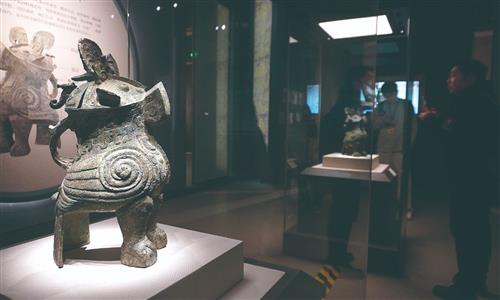
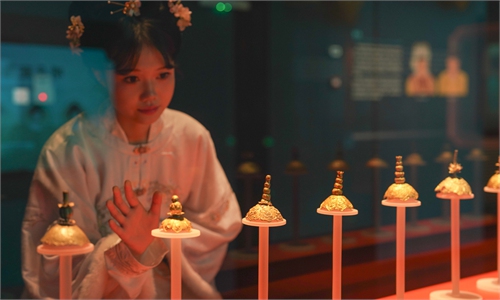
Visitors admire two Fu Hao owl-shaped vessels on April 2, 2026, in Zhengzhou, Central China's Henan Province. A special exhibition opened at the Henan Museum, featuring two Shang Dynasty (c.1600BC-1046BC) bronze vessels – the Fu Hao owl-shaped vessel – from the National Museum of China and the Henan Museum. This marks the first time in 50 years since their excavation that the two vessels have been displayed together in their hometown of Henan. The vessels are currently the earliest bird-shaped bronze wine vessels discovered in China. Photo: VCG
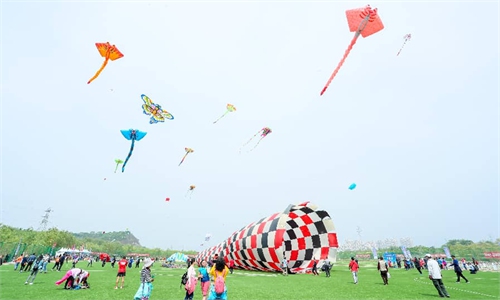
A total of 22 kite teams from China and abroad will take part in the 15th Beijing International Kite Festival, set to kick off on April 11 at the Beijing Garden Expo Park, the Beijing Sports Federation (BSF), one of the event's organizers told the Global Times on Tuesday.
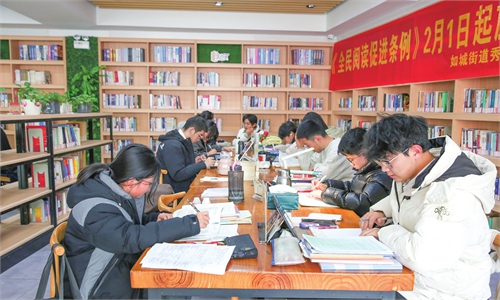
The fifth National Conference on Reading is set to take place in Nanchang, East China's Jiangxi Province, from April 20 to 22, marking a significant milestone in China's efforts to promote a nationwide reading culture, according to a document sent to the Global Times by the organizer on Thursday.
Editor's Note: Finding a "dazi," or "companion," is becoming a new way for young people in China to build social connections. Whether for learning skills or travelling together, having a companion allows them to enjoy their independence without becoming isolated. In this report, we speak to several young people to document their unique social styles.
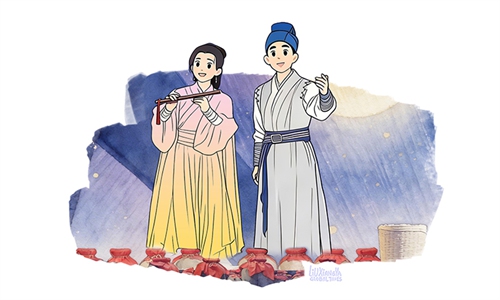
In 2016, "The Twenty-Four Solar Terms, knowledge in China of time and practices developed through observation of the sun's annual motion," was inscribed on UNESCO's Representative List of the Intangible Cultural Heritage of Humanity. The ancient Chinese divided the sun's annual circular motion into 24 segments. Each segment was called a specific Solar Term, starting from the Beginning of Spring and ending with Greater Cold. From the rhythm of labor aligned with nature to the wisdom of seasonal dishes, the 24 Solar Terms have shaped a philosophy of "harmony between humans and nature" and a way of life unique to Chinese culture. The Global Times presents the series "The Markings of Time," which follows cultural inheritors across China to explore local traditions and humanistic sentiments tied to each solar term. As soon as the calendar turns to April, the Qingming, literally "clear and bright," approaches.
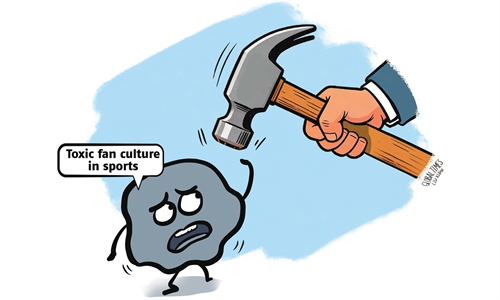
China's three-time Olympic champion diver Quan Hongchan recently opened up about her struggles with weight management and the pressure of public scrutiny. Her emotional revelation ignited discussions on Chinese social media regarding the detrimental effects of fan culture and the need to respect athletes' natural development, as many voiced support for the 19-year-old athlete.
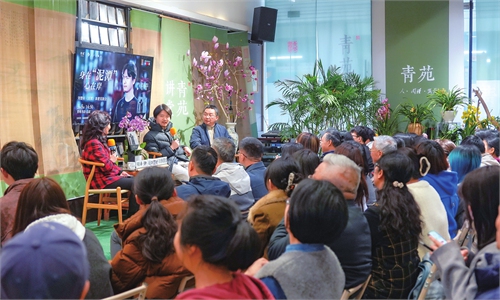
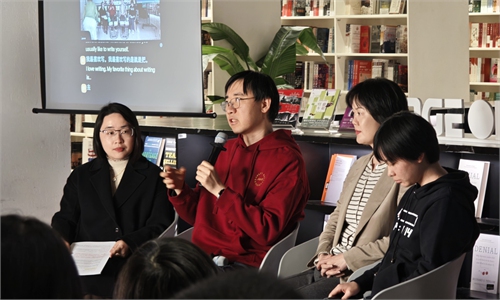
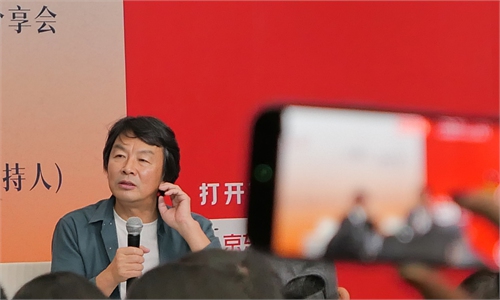
Commenting on his debut novel Quagmire at a recent meet-the-author event in Nanchang, East China's Jiangxi Province, Chinese writer Liu Chuxin told the Global Times that the novel reflects the survival of the individual amid the tides of history and also his personal experience during the writing process, which he equated to being trapped in a quagmire. Liu won the 2025 Lijiang Literary Award with his first book Quagmire. In his acceptance speech, Liu, choking up several times, fondly recalled the last words of his late girlfriend: "One goes through much suffering in life, but looking back, it all becomes part of a legend." These words have since become a source of spiritual support for his literary creation. His speech sparked widespread discussion on social media, moving many to tears.
The Chinese Super League returns to action this week after the international break with upgraded governance, a warming fan market and youth development that signal a healthier future and could support the national team. After years of ups and downs, the league and its governing body show strongest evidence that Chinese football is shifting toward sustainable football, a model focused on fiscal discipline and long-term talent rather than flashy spending. The governance upgrade forms the quiet foundation. During the international break, the Chinese Professional Football League (CFL) held a seminar for domestic clubs on healthy development.
China's National Cultural Heritage Administration (NCHA) has recently issued a notice to launch a special nationwide campaign aimed at strengthening the safety management of cultural relics in state-owned museums. The initiative involves a comprehensive inventory check and risk inspection of all relics held by public museums across China. The campaign will see museums conduct item-by-item checks, thoroughly verifying the consistency between records and actual holdings, with the goal of establishing a standardized and regularized system for managing and auditing museum collections, according to an article published Wednesday on the NCHA's official WeChat account.
Recently published after more than 20 years of work, archaeologist Yuan Dongshan's new book Fengjie Yong'an Town Cemetery unveils the mysteries of the cemetery, recording what he calls a "true history sealed by the river." The Yong'an Town cemetery is located in the ancient town of Fengjie county in Southwest China's Chongqing Municipality. It holds unique value due to the discovery of "M99," the largest and highest-ranking Warring States period (475BC-221BC) burial found in the Chongqing section of the Three Gorges Reservoir region of the Yangtze River.
Editor's Note: Feng Yuanzheng is no stranger to the stage in China. As a celebrated actor and president of the Beijing People's Art Theatre, he has spent decades in Chinese theater. Renowned for his versatility and dedication, Feng has played a pivotal role in both preserving and innovating classic productions, from Teahouse to Zhang Juzheng, bringing traditional Chinese dramas to audiences at home and around the world. What is new under his leadership is the theater's thoughtful integration of technology, used sparingly to enhance storytelling while keeping the actor at the center of the stage, reflecting Feng's belief that the heart of Chinese drama lies in human performance and emotional resonance. The Global Times spoke with Feng about his philosophy on acting, theater management, the role of technology in enhancing performance, and cross-cultural storytelling.
Chinese netizens voiced support for three-time Olympic champion diver Quan Hongchan after she admitted that she “seriously considered retiring” due to struggles with weight control and mounting public pressure after the Paris 2024 Olympics during a recent interview with Chinese magazine Portrait.
Chinese motorbike manufacturer ZXMoto claimed its first-ever victories in the FIM Supersport World Championship (WorldSSP) by sweeping both Race 1 and Race 2 at the Portuguese Round over the weekend, marking the first time a Chinese brand has triumphed in the series, and sparking widespread coverage and commentary across global media and social platforms.
After French rider Valentin Debise crossed the finish line to secure back-to-back victories for ZXMoto Factory Evan Bros Racing on Saturday and Sunday, Chinese motorcycle entrepreneur Zhang Xue could barely contain his emotion. It was only the second round of the 2026 FIM Supersport World Championship (WorldSSP) season, yet the newly established Chinese manufacturer ZXMoto had already claimed its first-ever race wins - twice in a single weekend.
During recent conservation and reinforcement work around the six pagodas on the southern face of the West Hill at the Longmen Grottoes, researchers newly identified a stone inscription of the Diamond Sutra dating back to the Tang Dynasty (618-907). According to information from the Longmen Grottoes Research Institute sent to the Global Times on Monday, this is regarded as a major discovery in the field of Buddhist scripture carvings in recent years.
When the French Annecy International Animation Film Festival - widely regarded as the "Oscars of animation" - released its 2026 shortlist, one entry stood out for Chinese audiences and industry insiders alike: the second season of the domestic sci-fi series Ling Cage.
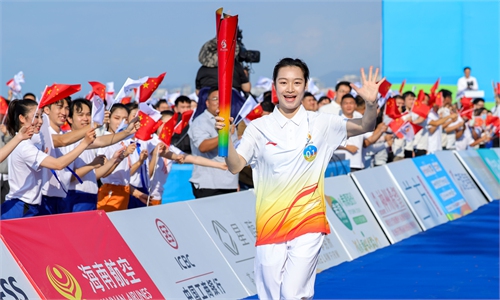
Featuring 74 torchbearers and spanning a distance of 10.5 kilometers, the torch relay for the 6th Asian Beach Games was held on Monday in the host city of Sanya, South China's Hainan Province.
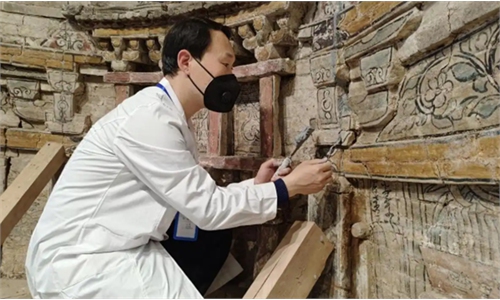
Chinese and Italian experts gathered Monday at the Chinese Academy of Social Sciences (CASS) in Beijing for an international roundtable on cultural heritage conservation and restoration, highlighting growing cooperation between the two countries in technology and education, according to CASS.
As Hollywood turns to narratives of "saving the Earth together," its depictions of global cooperation are offering a striking contrast to the fractures seen in contemporary US politics.
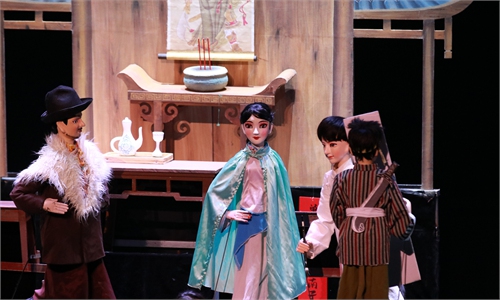
China's Yueju Opera, the graceful "southern sister" of Beijing Opera, celebrated its 120th birthday last week. What began in 1906 on a makeshift stage of upturned rice buckets in a village in East China's Zhejiang Province has become one of China's most vibrant theatrical arts, with professional troupes nationwide and amateur societies expanding from city theaters to rural stages.
Selecting from niche fields spanning pottery to grotto conservation, a total of 10 Chinese cultural heritage conservators have recently been honored as "national master craftsmen of cultural relics." The selection marks the first of its kind in China, and the 10 honorees also stand as the inaugural cohort of nationally recognized cultural heritage skilled talent.
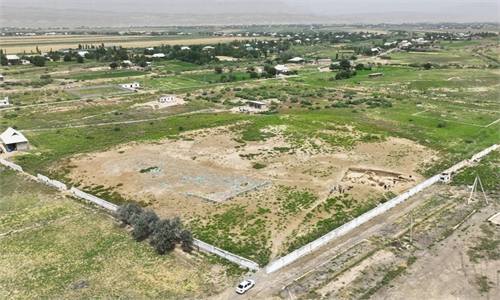
A 3,000-year-old city in Uzbekistan has been discovered by a joint Chinese-Uzbek archaeological team, shedding new light on the ancient city's layout and construction during the early Iron Age.
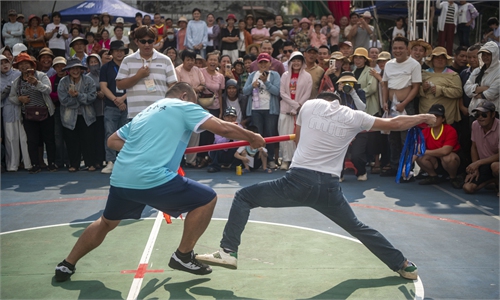
Two men compete in a traditional pole-pushing contest in Qionghai, South China's Hainan Province, on March 29, 2026. The 12th Lady Xian Cultural Festival kicked off in Shibi town, Qionghai on Sunday. Traditional folk competitions including fun sports meets and the turtle-pulling game will be staged, allowing people to fully experience the charm of folk customs and rural sentiments.
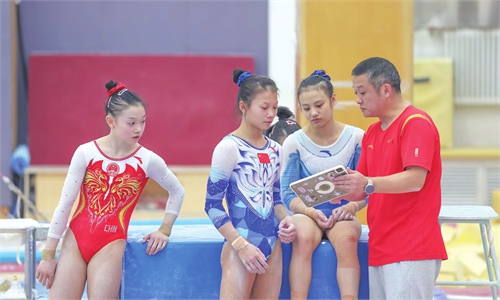
"Team and all-around are priorities," reads a slogan adorning the wall inside the training venue of China's national gymnastics team in Beijing, as athletes hone their skills following the winter training program. National gymnastics team leader Lu Bin highlighted the intensity of winter training, noting that the squad was minimizing their technical shortcomings. Yet, he emphasized, true validation would only come on the competition floor. "The winter training targeted our weaknesses with focused reinforcement, but we still need the test of actual matches to confirm our progress," Lu told reporters after an open training session on Thursday.
China men's national football team beat World Cup debutant Curacao 2-0 in a FIFA Series match in Sydney on Friday. Wei Shihao and Zhang Yuning were on target for China's first win under head coach Shao Jiayi.
Editor's Note: In an age of information overload, reading remains a necessary channel to invigorate the mind, provide inspiration and cultivate virtue. Whether it is childhood enlightenment or the pursuits of adulthood, everyone's reading journey carries unique emotions and life experiences. The Global Times has specially launched the "100 Avid Readers" series, inviting guests from various fields to share their connections with books, stories of growth and sparks of thought. In this installment, we meet Chen Nianxi. For him, reading is a window to life, offering a glimpse of a different kind of light. In Xiahe village, nestled in the mountains of Shangluo in Northwest China's Shaanxi Province, Chen Nianxi finds his life very peaceful. The 56-year-old writes at home and, in winter, sells mushrooms, collecting, sorting and packing them for customers who find him through social media - a routine that continues until spring.
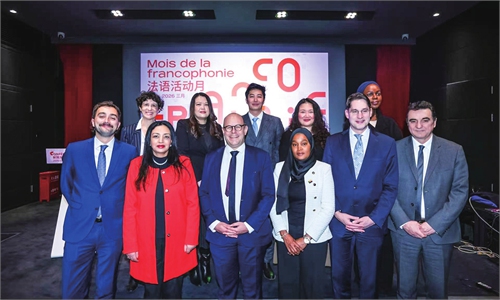
March has witnessed a slew of events, sharing sessions and movie screenings, competitions, and workshops, marking the 30th Mois de la francophonie. Coordinated by the Institut Français (French Institute) in China, in partnership with several embassies and cultural institutions, the 2026 Month of Francophonie has presented a rich and inclusive program to celebrate a language resolutely focused on the future: conferences and roundtables exploring the unique characteristics of innovation in French. The theme for the year 2026's Francophonie Month is "Create, Invent, Innovate."
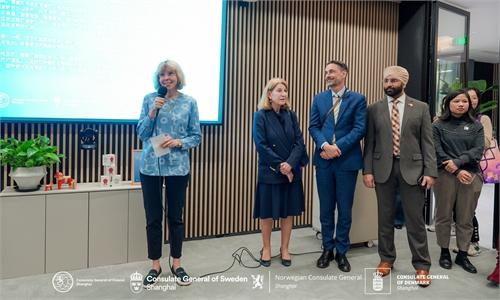
An exhibition Traces of North was held at the brand-new office premises of the Consulate-General of Finland in Shanghai on March 23, 2026 to mark the Nordic Day, which celebrates the deep historical, cultural, and social connections between the Nordic countries. Representatives from the Consulates General of Sweden, Norway and Denmark attended the events among other guests.
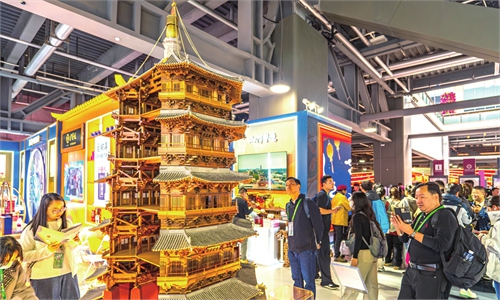
In a quiet county in North China's Shanxi Province stands an age-old wooden legend: the 67.31-meter-high Sakyamuni Pagoda of Fogong Temple, widely known as the Wooden Pagoda of Yingxian County. Built in 1056 during the Liao Dynasty (916-1125), the pagoda was constructed using tenon-and-mortise joints, known in Chinese as dougong. It is the tallest and oldest surviving wooden multi-story structure in the world, according to UNESCO. After weathering almost 1,000 years of storms and earthquakes, this structural marvel, held together by 80,000 mortise-and-tenon joints without a single nail, is now in what experts describe as "intensive care."
A group of renowned sci-fi writers and readers took part in a salon hosted by the China Writers Association (CWA) in Beijing on Thursday, aiming to promote emerging authors and their works overseas.
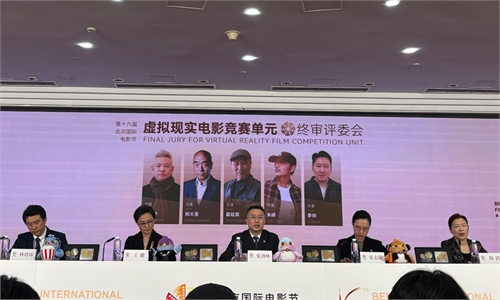
A total of 1,826 full-length feature films from 139 countries and regions will compete for the Tiantan Awards, the official competition section of the 16th Beijing International Film Festival (BJIFF). Among them, 88 percent are international entries, setting a new historical high and highlighting the festival's growing global influence and appeal, BJIFF organizers announced at a press conference in Beijing on Thursday.
Chinese pop singer Jay Chou released his 16th studio album on Wednesday, with the title track "Children of the Sun" immediately setting the internet ablaze. Its nearly seven-minute music video has become a hot talking point, not merely for its star power, but for its audacious act of cultural alchemy: bringing 30 Western masterpieces to life within a gripping cinematic narrative.
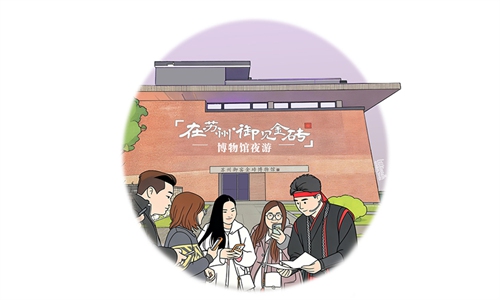
As twilight falls on the Suzhou Museum of Imperial Kiln Brick, a journey across six centuries begins. Visitors become Ming (1368-1644) and Qing (1644-1911) dynasty "brick-seekers." Guided by staff in costume, they drift through halls bathed in light and shadow, learning how humble clay was transformed into imperial gold bricks - the foundations of the Forbidden City.
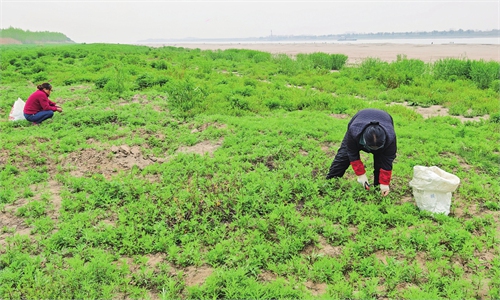
As the first shoots of spring emerge along Beijing's riverbanks, Mai Dou (pseudonym) is already there, tools in hand and child in tow, gathering wild greens and marking the season in her own way.
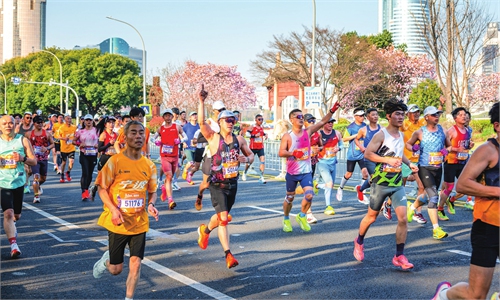
On a park track in the early morning, pace alerts chime one after another. Some runners glance down at their watches, while others have just logged their run and are easing into a cooldown. As usual, the track is sparsely populated, and the rhythm is steady and routine.
Fresh off a historic runners-up finish at the Under-23 Asian Cup, the team's best-ever result in the tournament, the Chinese U23 national team is now shifting its focus to the upcoming Asian Games. "The results from the U23 Asian Cup are now history," Chinese U23 team head coach Antonio Puche said Tuesday in Xi'an, Northwest China's Shaanxi Province, where the U23 team is playing three friendlies.
China's top overseas education service center, the Chinese Service Center for Scholarly Exchange (CSCSE) under the Ministry of Education, will host its annual flagship forum and education fair starting April 10, under the theme of "inclusion and cooperation," the center announced on Wednesday.
On the 90th anniversary of the victory of the Long March of the Chinese Workers' and Peasants' Red Army in 2026, the National Cultural Heritage Administration (NCHA) will jointly launch a host of themed activities on the protection and exhibition of Long March cultural relics, the NCHA announced at a press conference on Wednesday.
Alexander Sokolov, former Russian minister of culture and current president of the Moscow State Tchaikovsky Conservatory, said in an interview with the Global Times on Wednesday that he has high expectations for the upcoming cooperation in performing and educational programs between the Tchaikovsky Conservatory and China's art organizations such as Beijing Poly Theater Management Company over the next five years.
AIGC (artificial intelligence generated content) technology has become a hot topic as it advances and starts to generate film and television content. This has caused waves of anxiety in the traditional film and TV industry. Some fear that AI films will overturn traditional films, while others worry that AI actors will completely replace real actors. At the same time, AI-generated films are also sparking controversy over issues like copyright infringement.
Following the popularity of the "City Walk," a new leisure trend called "Color Walk" is sweeping Chinese social media this spring. Across various platforms, people are posting about these Color Walks, where they first choose a color and then head outdoors, searching for and photographing anything they find that matches. In the midst of today's fast-paced urban life, this activity is seen as an immersive way to focus on the surrounding beauty and experience the subtle romance of city living.
In the 2026 Spring campus recruitment season, a shift has swept through China's job market. Nearly half of all positions now explicitly require AI literacy, extending far beyond tech roles to operations, design and marketing, the Guangming Daily reported.
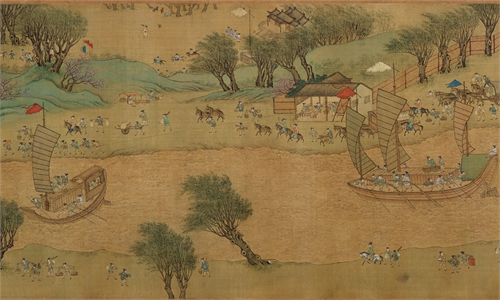
A renowned scroll painting, the Ming Dynasty (1368-1644) version of Riverside Scene at Qingming Festival by painter Qiu Ying, made its long-awaited return to Suzhou, East China's Jiangsu Province, on Tuesday, a decade after it was last displayed in the city.
Embracing a record-breaking lineup of 1,790 athletes from across Asia, the 6th Asian Beach Games in 2026 is entering its final stretch of preparations, with highlights including the unveiling of the opening ceremony and the torch relay. The Games will officially open on April 22 in Sanya, South China's Hainan Province.
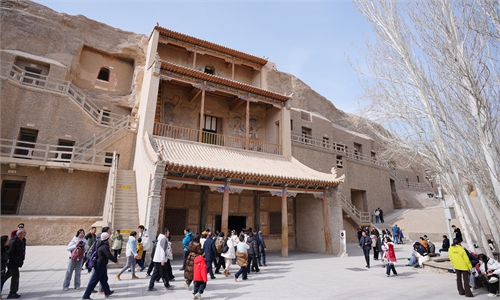
After two decades of collaboration, a vast trove of ancient Tibetan manuscripts from the Silk Road oasis of Dunhuang has been compiled and published in China, offering scholars an unprecedented window into the political, cultural and religious life of a pivotal era in Chinese history.
Entering March, Kaiping in South China's Guangdong Province is already warm and full of gentle breezes. Amid traditional dwellings and old alleys, well-known Chinese online literature writers such as Cai Jun, Tiancantudou, Xiao Ding, and Shachongdui Duiyuan sat among readers, listening to their voices. At the same time, these writers shared their own creative insights in online novel writing and discussed new trends such as artificial intelligence (AI)-assisted creativity with more people.
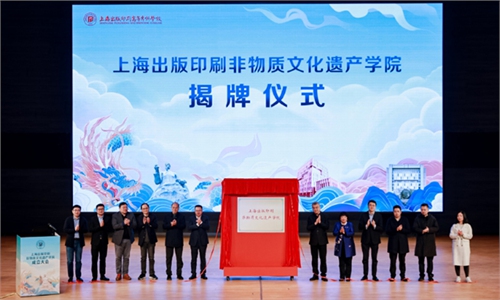
Based at the Shanghai Publishing and Printing College, a new academy focused on intangible cultural heritage (ICH) in the domain of publishing and printing has officially opened in Shanghai, marking the nation's first higher education institution purpose-built for this specialized ICH sector.
A subtle but significant shift is taking place in China's entertainment landscape. The recent resurgence of veteran artists like Qu Ying and Dai Jun, sparked by online influencer Papi Jiang's variety show Warm Welcome, offers a lesson on what audiences truly crave and what the industry has long been missing.
The China Open Swimming Championships, which concluded on Sunday at the Shenzhen Universiade Sports Centre Aquatic Stadium, marked a new chapter in Chinese swimming not just for the results it produced, but for its bold new format that is already reshaping how Chinese swimmers develop. For the first time, China hosted a domestic-focused event in an open-competition model, blending the national spring championships with an international invitation format.
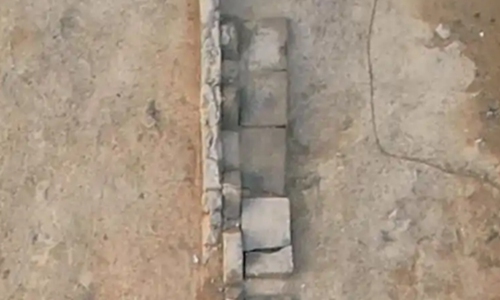
The latest archaeological findings from an ancient residential area in Chang'an, the ancient capital of the Sui (581-618) and Tang (618-907) dynasties, were recently unveiled. Chinese archaeologists carried out surveys and excavations in the Lianhu district, Xi'an (named Chang'an in ancient times) in Northwest China's Shaanxi Province, unearthing a large number of relics, including roads, courtyards, and brick storage pits. These discoveries provide valuable new materials for further understanding the structure and layout of Chang'an during the Sui and Tang periods, as well as details of the residents' lives at that time.
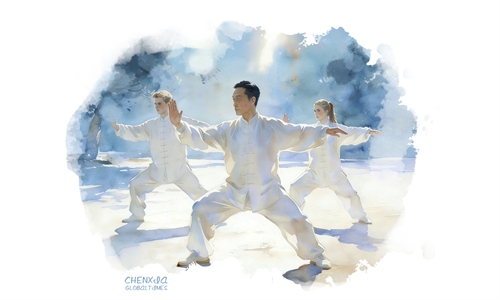
Across China, France, Argentina, and beyond, people from diverse cultural backgrounds, spanning languages and time zones, came together Saturday in their own corners of the world to practice the same thing, Taijiquan, also known as tai chi, a UNESCO-listed Chinese martial art. March 21 marked the very first International Taijiquan Day.
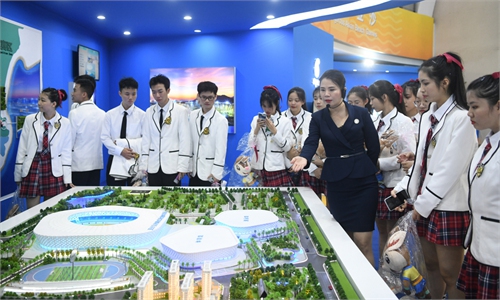
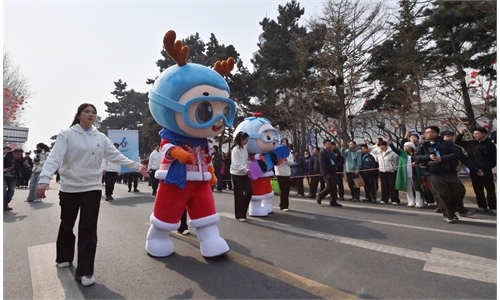
In the run-up to the international multi-sport event that unites university athletes from across the globe, the official emblem, slogan, and mascot for the Changchun 2027 FISU Winter Universiade have been officially unveiled. The announcement also marks a significant milestone, the 300-day countdown to the Games.
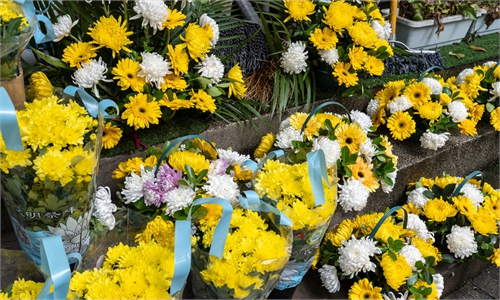
As the Qingming Festival draws near, China enters a peak season of remembering and honoring the deceased. Cities around the country, including Beijing and Lanzhou in Northwest China's Gansu Province, have issued calls for safe and civilized memorial practices, encouraging more environmentally friendly ways for people to pay their respects, such as tree planting and online commemorations. Meanwhile, ecological forms of burial, like sea burials and tree burials, are becoming new trends in response to traditional demand. In Shanghai, the second sea burial culture weeks began on Saturday. Lasting 17 days, it will cover the entire Qingming remembrance period.
Before winning Italy's prestigious Premio Internazionale Nord-Sud prize, Chinese author Liu Zhenyun had just returned to the spotlight with his long-awaited new novel Salty Jokes, a darkly humorous tale full of ordinary life's bittersweet twists. As his new book finds readers across the globe, the award-winning Chinese novelist talks about humor, hardship and the “salty jokes” that make life worth living.
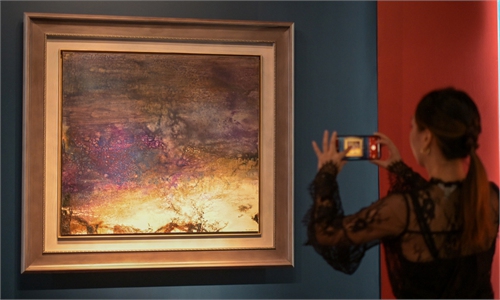
Zao Wou-Ki, a renowned French painter of Chinese descent, is celebrated worldwide for his abstract art. For a long time, my understanding of Zao Wou-Ki had remained limited to this until I arrived in Locarno, Switzerland.
Located in Sichuan's far south, at a relatively high elevation, Xichang enjoys a mild and sunny climate, in stark contrast with the more humid conditions of the Sichuan Basin. The climate of Xichang rivals that of Kunming in Southwest China's Yunnan Province, which is known as a "spring city" for its mild climate and green environment. For that reason, Xichang has been nicknamed "little spring city."
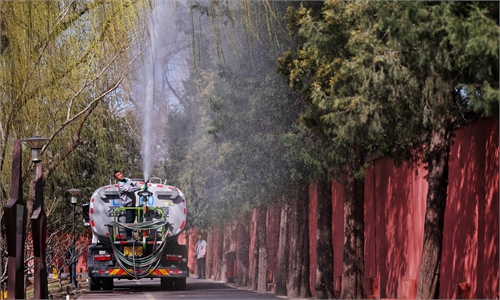
On a warm afternoon in Beijing in March, a light breeze carries the first hint of spring. Along the streets, willow trees are just beginning to bud, with their pale green shoots moving gently in the sun. The air looks clear, but for some pedestrians, this season tells a different story: A few people sneeze, others rub their itchy eyes, or reach for tissues. The familiar signs of pollen allergy begin to appear.
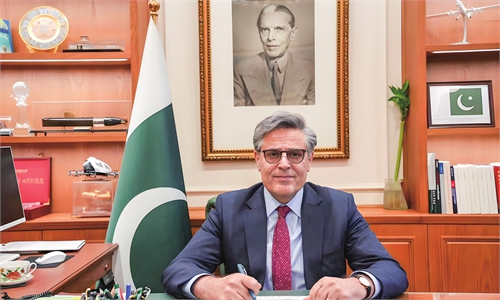
Editor's Note: As China's national lawmakers approved a development blueprint for the 2026-30 period, the country has set a slew of goals with high-quality development on the top agenda. Global Times reporter Dong Feng conducted exclusive interviews with the ambassadors to China from Pakistan, Indonesia, and Kenya, sharing their in-depth views of China's 15th Five-Year Plan, discussing cooperation prospects based on its basic tasks, to build a community with a shared future for mankind. What drew the most attention during the year 2026's "two sessions" is the adoption of the outline of the 15th Five-Year Plan (2026-30), which is the "construction design" for China's modernization drive and an "invitation letter" to other countries to jointly pursue modernization. Pakistani Ambassador to China Khalil Hashmi told the Global Times that from Pakistan's perspective, the central opportunity in China's 15th Five-Year Plan is that China is both pursuing growth and also upgrading the quality of growth.
Indonesian Ambassador to China Djauhari Oratmangun told the Global Times that from Indonesia's perspective, China's 15th Five-Year Plan (2026-30) stresses technological upgrading and economic resilience. In today's environment, resilience defines competitiveness. With a population of 280 million people, including about 48 million middle-class consumers, Indonesia provides both production capacity and market scale. Oratmangun said Indonesia-China economic ties already reflect complementarity.
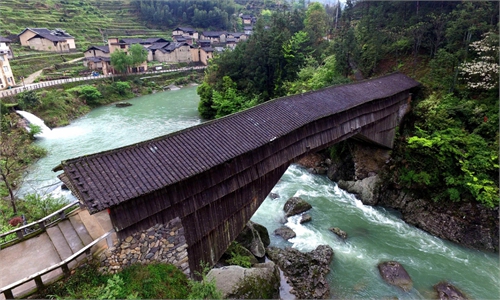
Spanning from 2023 to 2025, a national action plan to protect China's covered bridges has now unveiled its findings, revealing there are a total of 2,193 such structures nationwide, according to data released by the National Cultural Heritage Administration (NCHA) on Thursday.
Kenyan Ambassador to China Willy Bett told the Global Times that China's 15th Five-Year Plan (2026-30) transforms China's policy landscape, creating multidimensional opportunities focused on technology and innovation, Chinese partnerships in e-commerce ecosystems, cloud services, fintech and digital skills training. "China's pivot from old-model growth toward a strategic and innovation-driven economy is aligned with our national priorities," Bett added. He also said China's push for high-standard opening-up signals wider market access, especially in services, digital industries, finance, and green technologies. "Foreign firms can expect clearer entry channels, improved IP protections, and opportunities to collaborate in frontier sectors," said Bett.
Editor's Note: “The spring rain heralds spring's clear and bright days, summer's fullness arrives with the heat in waves...” This folk rhyme serves as a key to unlocking the spiritual world of the Chinese people. In 2016, “The Twenty-Four Solar Terms, knowledge in China of time and practices developed through observation of the sun's annual motion” was inscribed on UNESCO's Representative List of the Intangible Cultural Heritage of Humanity. The ancient Chinese divided the sun's annual circular motion into 24 segments. Each segment was called a specific Solar Term, starting from the Beginning of Spring and ending with Greater Cold. From the rhythm of labor aligned with nature to the wisdom of seasonal dishes, the 24 Solar Terms have shaped a philosophy of “harmony between humanity and nature” and a way of life unique to Chinese culture. The Global Times presents the series The Markings of Time, which follows cultural inheritors across China to explore the local traditions and humanistic sentiments tied to each solar term. Here is the second in the series, the Spring Equinox.
Like falling veils, they sway gently with the breeze, tracing the wind's form. Walking through the primitive forests of the Potatso area in Shangri-La's National Park candidate zone in the Deqen Tibetan autonomous prefecture, Southwest China's Yunnan Province, one cannot help but pause at the sight of clusters of silvery-green, filament-like organisms hanging densely from the branches and adorning the woods with their delicate presence.
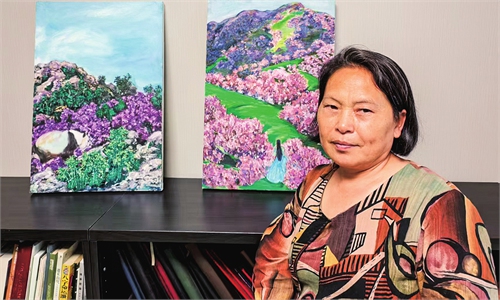
Editor's Note: In an age of information overload, reading remains a necessary channel to invigorate the mind, provide inspiration and cultivate virtue. Whether it is childhood enlightenment or the pursuits of adulthood, everyone's reading journey carries unique emotions and life experiences. The Global Times has specially launched the “100 Avid Readers” series, inviting guests from various fields to share their connections with books, stories of growth and sparks of thought. In this installment, Wang Liuyun, who works as a cleaner in Beijing and has also insisted on reading, writing and painting for decades, shares her reading story. For Wang, reading has always nourished her spirit and inspired her creations.
Building on China's 3x3 basketball team's sporting achievements, the world basketball governing body FIBA (International Basketball Federation) has arranged for several international 3x3 events to be held in China, spanning cities such as Chengdu, Shanghai and Hong Kong SAR (Special Administrative Region). FIBA 3x3 Managing Director Alex Sanchez captured the significance in a recent interview with the Global Times. "China has established itself as one of the most dynamic 3x3 basketball ecosystems in the world, and the 2026 event calendar will further deepen that foundation," Sanchez told the Global Times.
Chinese archaeologists have uncovered Western Zhou Dynasty (1046BC-771BC) remains at the Jiangliu site in Northwest China's Shaanxi Province, revealing burial customs that embody the ancient Chinese philosophy of "zhigeweiwu," which means "stopping war is true valor," according to a press release issued by the Shaanxi Academy of Archaeology on Wednesday.
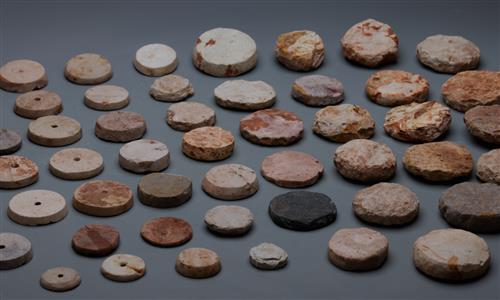
Archaeologists have uncovered a 6,000-year-old stone spindle whorl workshop that provides new evidence of early large-scale production, according to the Jiangsu Provincial Institute of Cultural Relics and Archaeology.
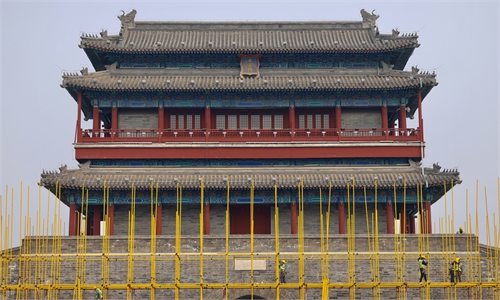
Systematic restoration of the Yongdingmen Gate Tower, a major landmark along Beijing's Central Axis World Heritage site, has begun, including the repair of key architectural elements such as wooden beam frames and walls. Located at the southern end of the Beijing Central Axis, the Yongdingmen Gate Tower is like "the dragon's head" of the Central Axis, Fang Zhe, a specialist on the Central Axis, told the Global Times.
The idea of "reading rehabilitation" has recently sparked discussions on Chinese social media.
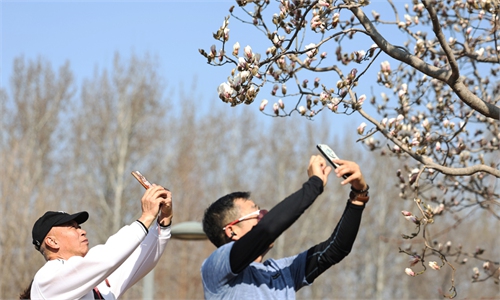
As the weather grows warmer, inside the Beijing Art Museum located at Wanshou Temple, magnolia buds are about to bloom and a series of spring-limited cultural and creative products are already gaining popularity. This has attracted many visitors to the museum early to seek out spring scenery in the season.
Chinese cultural heritage experts have hailed the tech-focused innovation push for cultural relics protection outlined in the 15th Five-Year Plan (2026-30) for national economic and social development, which lays out a comprehensive blueprint for China's cultural heritage preservation in the next five years.
The Chinese women's national football team suffered a narrow 2-1 defeat to hosts Australia in the semifinals of the Women's Asian Cup on Tuesday.
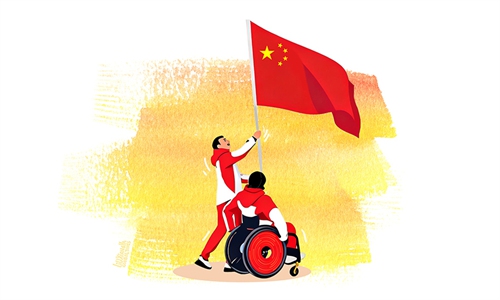
The Chinese Paralympic athletes demonstrated a spirit of self-respect, confidence, and resilience at the just concluded Milan-Cortina 2026 Paralympic Winter Games, an official with the China Administration of Sports for Persons with Disabilities (CASPD) told the Global Times on Monday.
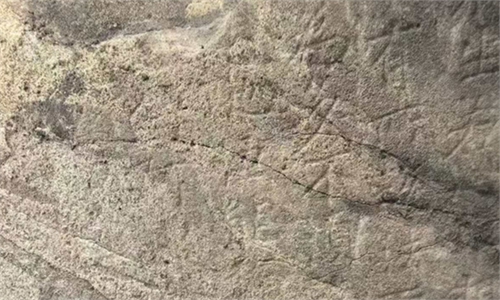
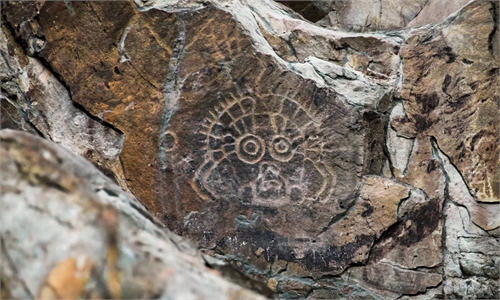
Compared to the meticulously painted ancient rock art in southern China, the rock art found among the Helan Mountains in Northwest China's Ningxia Hui Autonomous Region have a distinctive ruggedness, born from being chiseled into stone using primitive tools around 10,000 years ago. This unique method of creation gives the Helan Mountains rock art its childlike innocence. From the image of a popping-eyed "God of Sun" to the whimsical scene of a bird guiding a sheep-laden donkey, these petroglyphs are "like the prehistoric equivalent of emojis," Ma Erna, a local conservation specialist, told the Global Times.
Dozens of schools of Chinese opera are taking the center stage in Boxing county, East China's Shandong Province, as a national exhibition aims to ensure these "living fossils" of culture not only survive but find new life in the modern era.
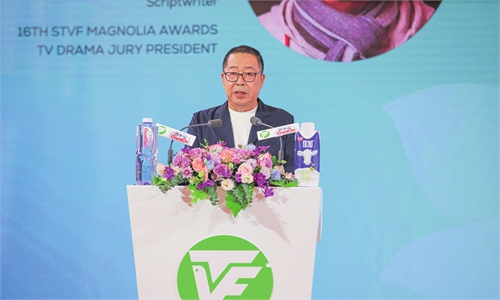
“Audiences no longer blindly believe in big-budget productions or big names. A business model that depends solely on celebrity power is unsustainable,” Feng Shengyong, head of the television drama department at the National Radio and Television Administration (NRTA), said at a recent industry conference in Shenzhen, South China's Guangdong Province.
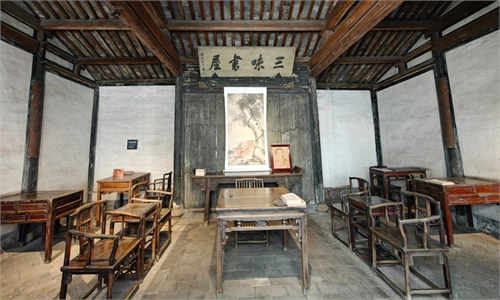
Discovered on the bamboo-covered outskirts of Shaoxing, East China's Zhejiang Province, the tomb of Shou Jingwu, the teacher of Chinese writer Lu Xun, has recently been found. Lu Xun is the pen name of Zhou Shuren (1881-1936). He is widely regarded as the titan of modern Chinese literature.
The Beijing International Film Festival (BJIFF) will introduce a Virtual Reality (VR) Film Competition Unit for the first time at its 16th edition in 2026, marking a significant step toward immersive and technology-driven storytelling.
Editor's Note: Cultural thoughts and spiritual pursuits are vital for a society's progress. The Global Times has launched the "Voices from the Study" series dedicated to in-depth intellectual dialogues with distinguished scholars from the humanities and social sciences to explore cultural topics with fresh perspectives and contemporary relevance. In this edition, Meng Man, a well-known history and culture professor, argues that AI makes liberal arts more essential, not obsolete. Humanities cultivate emotion, mortality and aesthetics - these are uniquely human traits that machines cannot replicate. As artificial intelligence (AI) continues to advance at a breathtaking pace, questions about its role in people's lives are becoming more urgent. From composing poems and essays to generating images and videos, new AI tools are rapidly reshaping the way people create and communicate. The rise of such technologies has reignited a long-standing debate: Do the liberal arts still matter in a world increasingly defined by science and technology? For Meng Man, a professor at the School of History and Culture, Minzu University of China, the answer is clear. Far from rendering the humanities obsolete, the AI age has only made them more essential than ever.
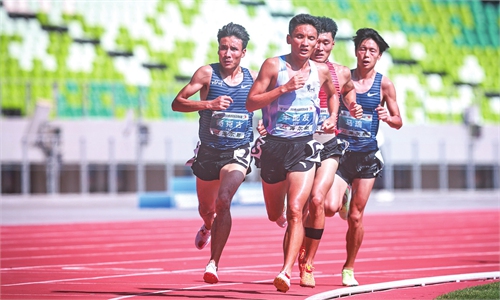
At the recent Tokyo Marathon in Japan, the first World Marathon Major event of 2026, Chinese runner Feng Peiyou shook off a bleeding nose and cramped leg to finish first among all Asian runners, with a time of 2 hours, 5 minutes and 58 seconds. His performance also broke the Chinese men's marathon national record of 2:06:57, opening a new chapter for Chinese marathon running. Hailing from Southwest China's Guizhou Province, Feng shaved the previous record by 59 seconds to become the first Chinese athlete to run under two hours and six minutes in a full marathon. Feng told the Global Times on Wednesday that he felt quite well during the race, but he did not expect to break the national record set by He Jie in 2024. Lowering the record by 59 seconds came as a pleasant surprise to him.
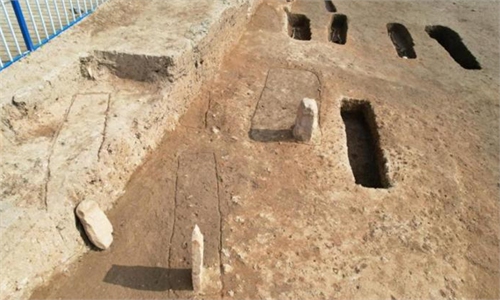
Archaeologists in North China have discovered what they say are the earliest known grave markers in the country, offering new insight into the origins of tombstones and challenging long-held assumptions about burial customs in ancient China, according to the Shanxi Provincial Institute of Archaeology.
Currently atop the medal table, the Chinese Paralympic delegation delivered a record-breaking performance at the Milano Cortina 2026 Paralympic Winter Games, which was set to conclude Sunday evening in Milan, Italy.
So long as your health records show "obesity," you can exchange the weight you lose for beef, beef bones, or oxtail. This is not a movie plot, but an actual activity taking place in the Liangxi district in Wuxi, East China's Jiangsu Province. So far, more than 2,000 people have signed up. The weight loss challenge will continue until December 31, and participants will weigh in and claim prizes from January 1 to 10, 2027.
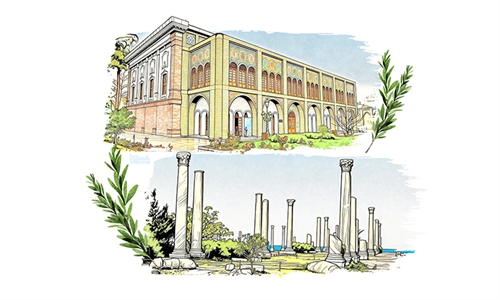
Lazare Eloundou Assomo, director of the UNESCO World Heritage Centre, has warned that the conflict sweeping parts of the Middle East and the Mediterranean involves nearly 18 countries, which are home to 125 existing World Heritage sites and 325 potential ones. This means nearly 10 percent of the world's heritage could be affected or damaged by ongoing military operations.
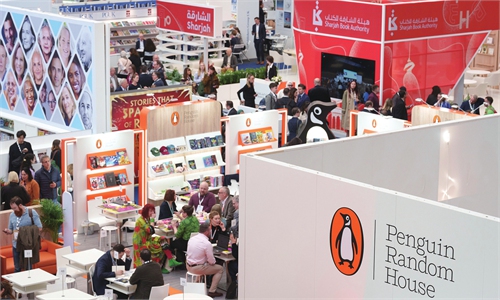
In China's exhibition area of the 2026 London Book Fair, many visitors lingered at a table featuring renowned Chinese tea brands. Some local readers, with coffee cups in hand, accepted a cup of Chinese tea offered by staff members, savoring its flavor, others picked up a book on Chinese tea culture for a closer look.
A bronze drum dating to the Eastern Han Dynasty (25-220) has been unearthed by a farmer in Weixin county, Southwest China's Yunnan Province. The relic was likely used as an important ritual object, offering new insights into ancient religious practices and bronze casting techniques in the region, according to the local Cultural Relics Management Department.
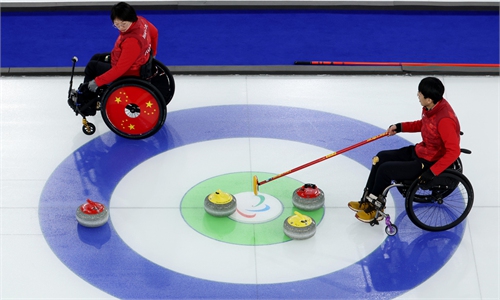
China's Wang Meng and Yang Jinqiao clinched the maiden Paralympic Winter Games wheelchair curling mixed doubles title at the Milan-Cortina 2026 Winter Paralympic Games on Wednesday in Italy after a dramatic win over South Korea.
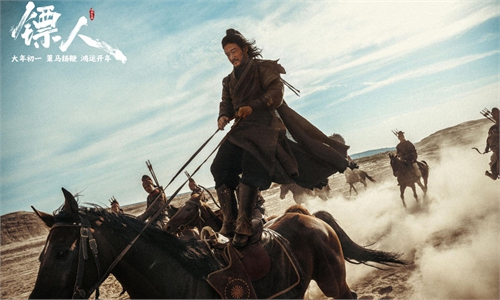
After 24 days in theaters, Chinese wuxia (martial hero) film Blades of the Guardians: Wind Rises in the Desert has surpassed 1.3 billion yuan ($179 million) at the Chinese mainland box office, according to Chinese ticketing platform Maoyan.
The 2026 Formula 1 Chinese Grand Prix is set to kick off this weekend at the Shanghai International Circuit. All ticket categories from Friday's practice sessions to Sunday's race have been sold out, according to the organizers, who are expecting crowds exceeding 230,000 spectators over the three-day event.
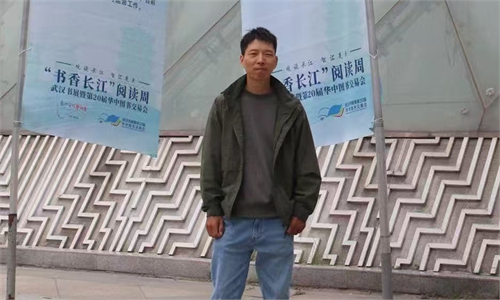
By day, Zhang Sai weaves through the crowded streets of Wuhan, the capital of Central China's Hubei Province, delivering food from restaurants to apartments. By night, after hours of cycling and climbing stairs, he retreats into a quieter world of books and writing, preparing for his second personal book.
Editor's Note: Cultural thoughts and spiritual pursuits are vital for a society's progress. The Global Times has launched the "Voices from the Study" series dedicated to in-depth intellectual dialogues with distinguished scholars from the humanities and social sciences to explore cultural topics with fresh perspectives and contemporary relevance. In this inaugural edition, Mai Jia, vice-chairman of the China Writers Association, shares his observations concerning the future relationship between AI and reading, the need for deep reading and why books remain irreplaceable.
At the 2026 national "two sessions," cultural heritage protection emerged high on the agenda for many deputies, including Huang Lin, a National People's Congress deputy from Hubei Province. Huang shared his views and suggestions on establishing county-level cultural heritage bureaus - offices rooted not in metropolises, but in rural areas. While the suggestion may appear to be an institutional tweak, it actually serves as a catalyst, drawing public attention to the country's grassroots heritage.
During China's annual national "two sessions," two prominent voices from the sports world delivered a powerful message concerning toxic fan culture. General Administration of Sport chief Gao Zhidan and Chinese Table Tennis Association (CTTA) President Wang Liqin unequivocally spoke out against the distorted "fan circle" phenomenon that has increasingly plagued professional sports.
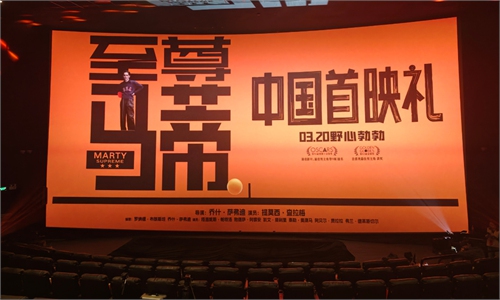
From selling fermented tofu on the streets of Chengdu to purchasing a poster of Chinese table tennis world champion Sun Yingsha in Beijing, Oscar-nominated actor Timothee Chalamet has been immersing himself in local Chinese culture during the promotional tour for his film Marty Supreme.
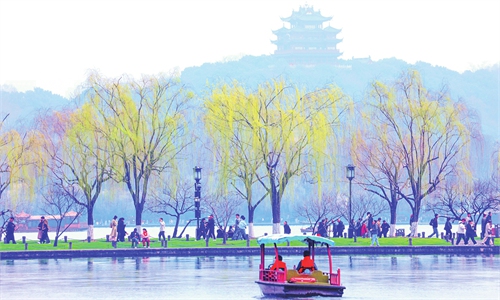
On a winter afternoon by the iconic West Lake in Hangzhou, East China's Zhejiang Province, a white-haired grandfather chats confidently with an English-speaking visitor, warmly introducing him the city's famed "English corner." Their conversation later went viral on China's X-like platform Sina Weibo, where many praised the scene as a perfect example of lifelong learning in action. The old man in the video, 98-year-old Zhou Panlin recalls the encounter fondly. He told the Global Times that the foreign visitor had been watching others practice calligraphy when Zhou approached him and broke the ice with a simple question: "Do you speak English?"
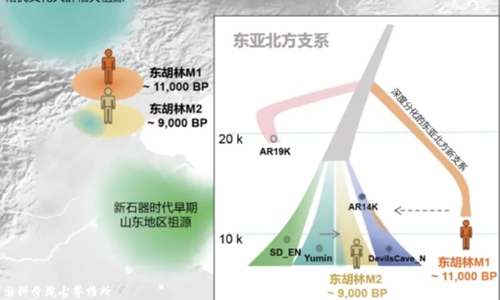
By studying DNA from three ancient human skeletal remains dating to around 11,000 years ago, a Chinese research team has discovered more about the lives of ancient humans who lived in northern East Asia during the shift from the Paleolithic to Neolithic period. The discoveries include ancient human's genetic roots, survival strategies, as well as the wisdom of their craftsmanship.

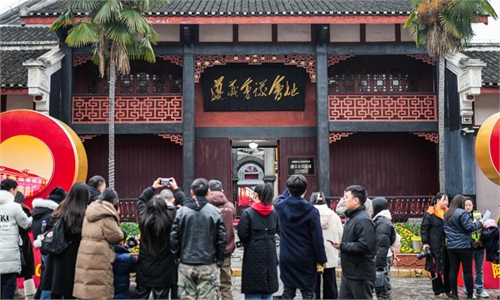
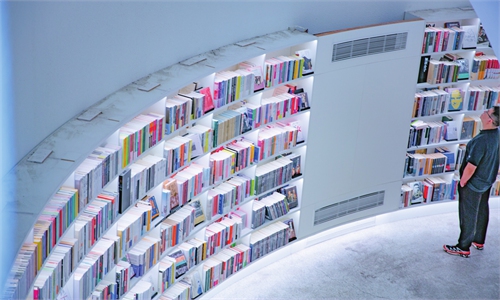
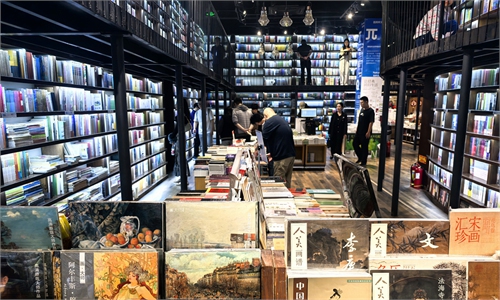
Chinese author Chen Yan still remembers the days when he worked in Xi'an, capital city of Northwest China's Shaanxi Province, near a historic street called Duanlümen. Walking along the city wall, he would pass by a street lined with nearly 20 bookstores. After lunch, he would stroll over, browse the new arrivals, flip through a few pages, and sometimes take a book home. But today, only one brick-and-mortar bookstore remains. "Physical bookstores are disappearing at an alarming rate. But in our society, there are still people who read seriously, searching for the book they most want to read," he told the Global Times during the "two sessions."

Dutch second-division club Willem II has issued an apology to FC Den Bosch's Chinese player Wang Bohao following a racist gesture directed at Wang during their match on Sunday.
On the cracked fields of East China's Shandong Province, a family sets out on a grueling journey northeast. Between the late Qing Dynasty (1644-1911) and the outbreak of the September 18 Incident in 1931, they endured famine, floods and war, traveling by sea and land to the northeastern provinces beyond the Shanhaiguan Pass, the historic section of the Great Wall where it meets the Bohai Sea, in a desperate quest for survival. These struggles were brought to screen in the 2008 television drama Chuang Guandong (Brave Journey to Northeast China), which received multiple accolades in China. The series was penned by Gao Mantang, the acclaimed screenwriter behind many other award-winning dramas, including Iron Age, Family on the Go and Old Farmers.