
The war in Iran has provided the world with a window into what awaits hegemonic powers if they fail to keep pace with global progress. The fate of NATO is no exception.
By Global Times | 2026/4/3 0:46:47
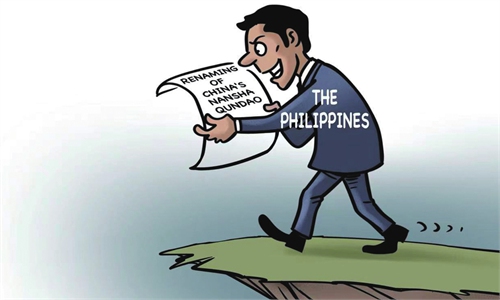
Philippine media recently revealed that President Ferdinand Marcos Jr signed Executive Order No.111 on March 26, unilaterally renaming 131 geographical features within the so-called "Kalayaan Island Group" in China's Nansha Qundao with Philippine names.
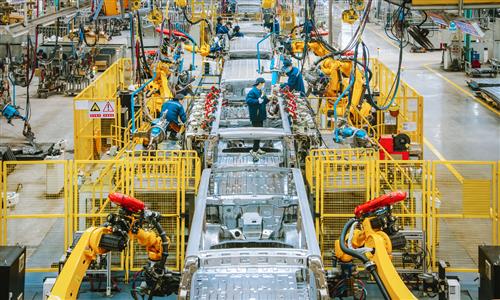
The real power of China's Five-Year Plan lies not in its grand narrative but in its capacity for execution.

The consequences of prolonged shutdowns extend far beyond delayed flights and unpaid wages. Over time, prolonged shutdowns contribute to a growing sense of social frustration and instability. How can people trust the US when its political activity is characterized by “destruction” rather than “construction”?
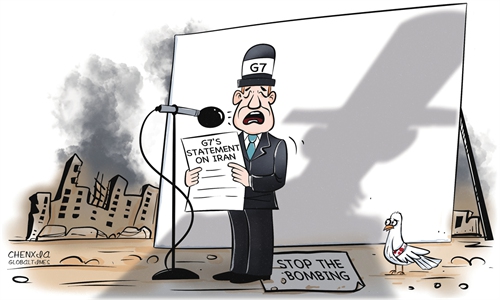
The recent G7 joint statement on Iran is flawed. Such statements don't stop wars; history proves this. What the declaration serves is the G7's reputation management.
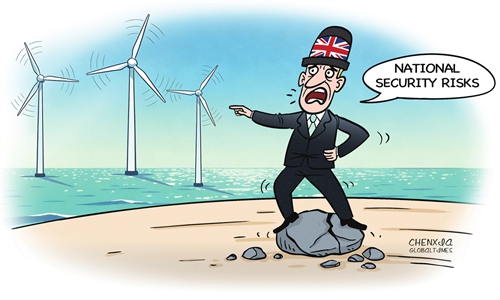
What turns the blades of offshore wind farms is not just the wind, but also the principle of win-win cooperation.
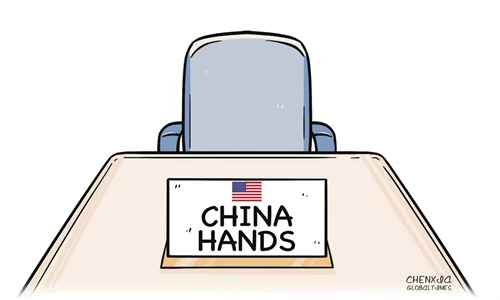
Where have all the American China experts gone? This question surfaced in The Washington Post in early 2024, and two years later, it remains unanswered as the issue intensifies.
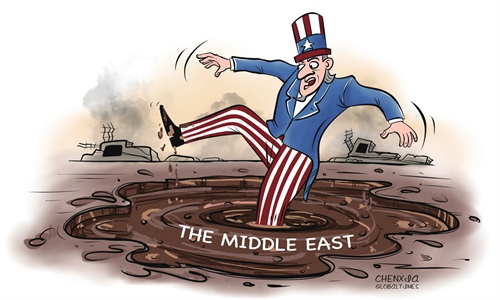
The US-Israel war against Iran has entered its fourth week. What began as lightning "decapitation strikes" aimed at quick victory is turning into a full-scale quagmire.

Many EU industry voices see adapting to China's success, not isolation, as vital for renewed competitiveness.
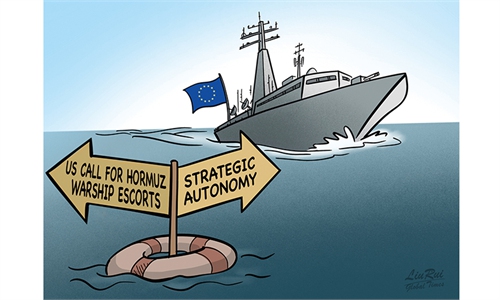
Within Europe, discussions about building its own security capabilities and enhancing strategic autonomy are gaining momentum. However, whether this path toward strategic autonomy can be sustained in the long run will ultimately depend on a series of critical choices Europe makes in the future.

A China that keeps breaking new ground through innovation is - product by product, story by story - turning "Cool China" from a concept into a reality that more and more people around the world are "maxxing."
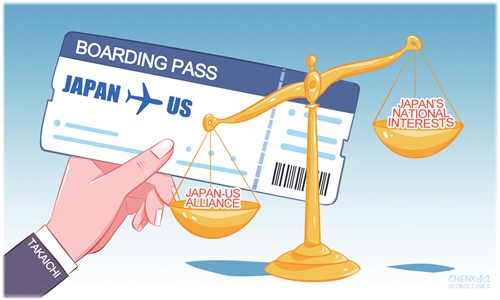
Takaichi's upcoming trip to Washington is a high-stakes diplomatic gamble for Japan. What Japan still hasn't fully grasped is that its long-term future isn't found in Washington's promises. It depends on confronting history honestly, respecting its neighbors and truly committing to the path of peaceful development.
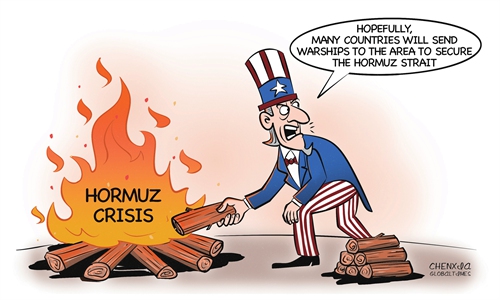
One thousand warships cannot achieve what one negotiating table can. The security of the Strait of Hormuz does not depend on how many navies patrol it. It depends on whether the guns fall silent.
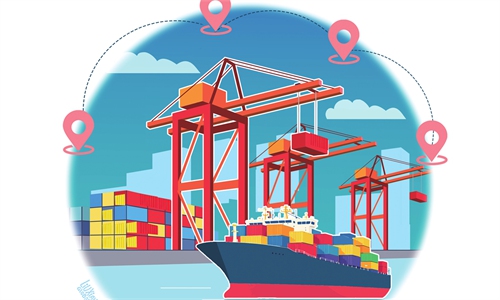
At a time when global trade depends on stable and open logistics networks, attempts to obstruct cooperation through ideological confrontation and strategic rivalry not only undermine the development autonomy of regional countries but also run counter to the broader trend of open cooperation in globalization.

The true sense of security only comes from the peaceful development of cross-Straits ties.

AI must not become a tool of fear and destabilization on a global scale.
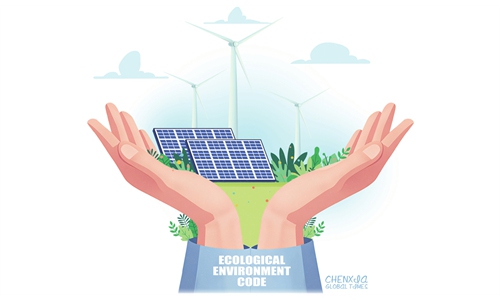
With a more institutionalized and systematic framework, China's green transition is set to become more stable, clear, and sustainably driven.
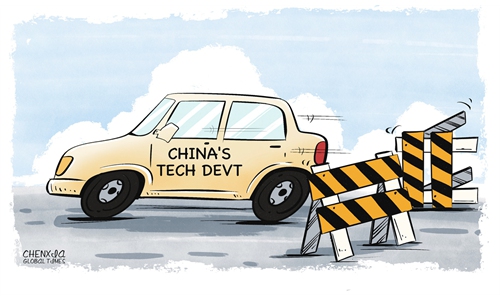
History's irony: Suppression fueled resilience. The Huawei blockade failed to maintain Western dominance. Instead, it accelerated global tech multipolarity, a pivotal 21st-century shift with profound political, economic and security implications.
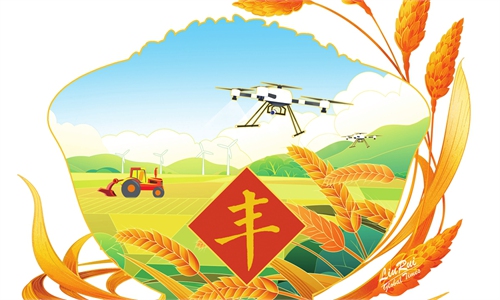
714.88 million tons is more than a statistic – it is a statement of confidence. 500 kilograms of grain per capita is more than a milestone – it is a measure of responsibility.
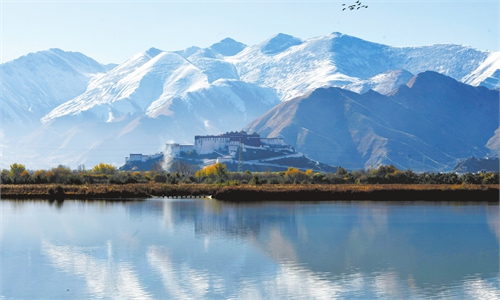
The concocted term “post-Dalai era” is neither a mathematical demarcation of a person's lifespan or influence, nor a simple judgment regarding religious succession. Rather, it is an attempt by certain forces to exploit semantic divisions and conceptual ambiguities in China's Xizang-related legal terminology for political maneuvers.
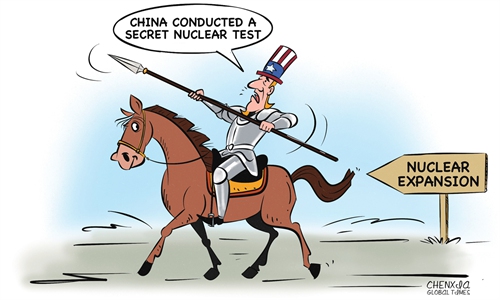
Ultimately, the malicious smears against China's nuclear policy from Uncle Sam, the “Don Qui-nuke,” attempt to seek legitimacy for its own nuclear ambitions.
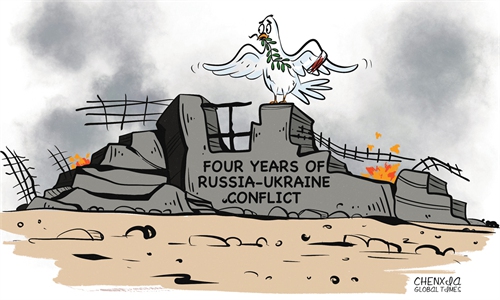
Four years into the Ukraine crisis serve as a stark reminder for the world: hegemonism, bloc politics, and confrontational alliances only lead to war, and conflicts produce no winners.
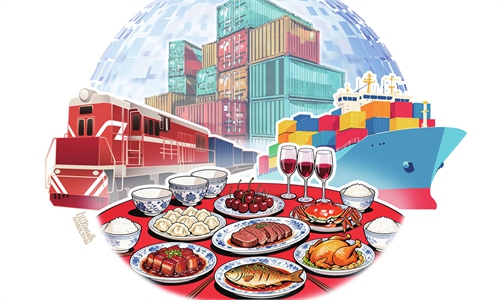
From homegrown flavors to a cosmopolitan spread, this 20-year transformation in the Chinese festival dinner table bears witness to China's embrace of the world.
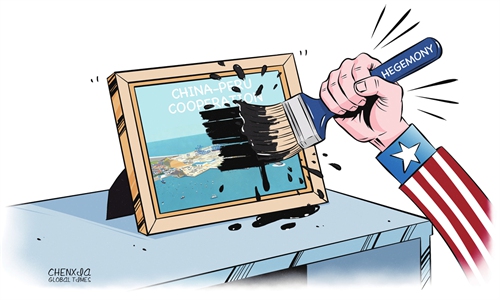
Certain forces in the US have made no secret of its desire in Latin America. Besides Panama Canal and Venezuela's oil, they also openly smeared Peru's Chancay Port.
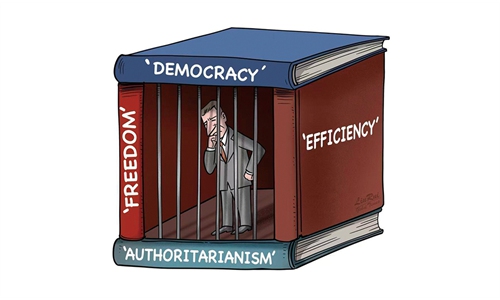
Only when Western commentators break free from the confines of established theory and fixated ideological prejudices, can they approach China as a civilization with its own distinctive logic of governance, begin to truly understand China's development, and confront their own problems.
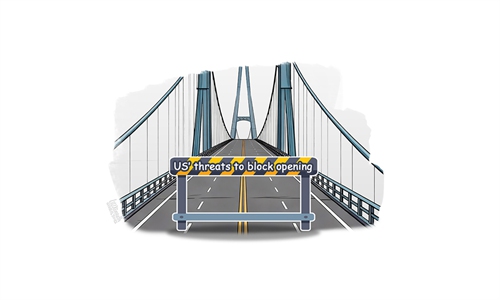
In this context of increasing US pressure, Canada's efforts to strengthen engagement with China, diversify its economic and trade relationships, and secure greater autonomy in a multipolar world represent a rational strategy to protect its long-term interests and reduce dependence on a single ally.
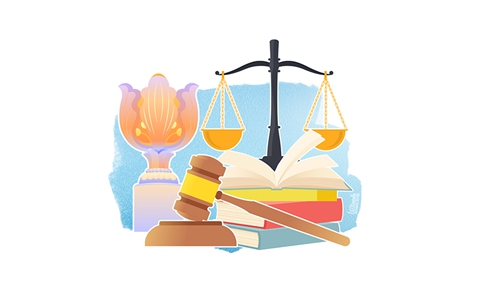
Lai's sentence is a solemn declaration of sovereignty, security and the spirit of the rule of law. It announces that the dignity of the law is not to be trampled upon and that the bottom line of national security is not to be crossed. More profoundly, as a landmark case since the implementation of the national security law in Hong Kong, the Jimmy Lai case provides crucial legal guidance and certainty for future practice.
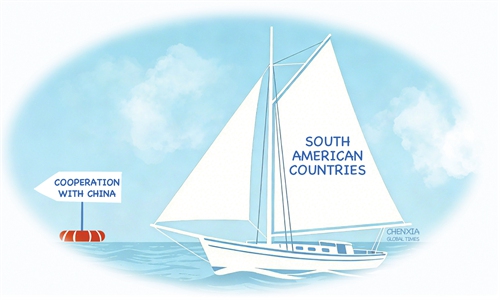
A quiet but profound shift is reshaping the geopolitical map of South America, as revealed by an exclusive Reuters report, "Brazil signals new openness to Mercosur-China talks as Beijing seeks deeper ties": For the first time, senior Brazilian officials are considering a push for a "partial" trade agreement between the Mercosur bloc and China.
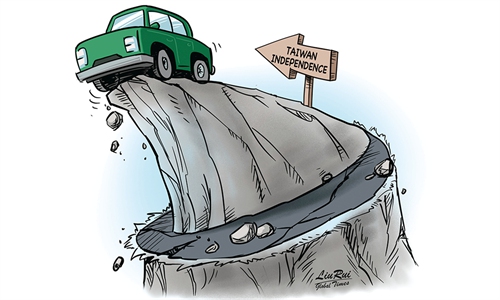
Reunification is a matter of time, not a question of whether it will happen. Taiwan island, it is time to wake up.
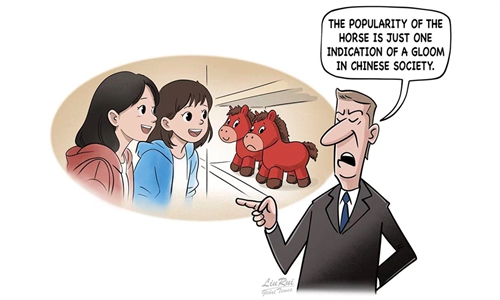
It seems Western media outlets have been loading the Chinese economy and society with more dramatic weight than a "crying horse" could ever carry.
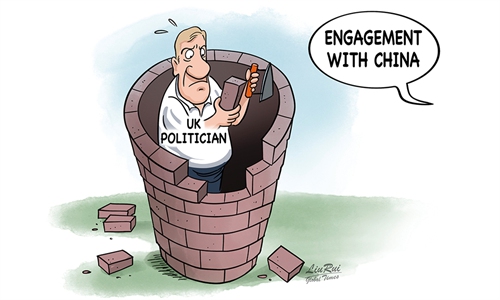
There is an old Chinese saying: when the winds of change blow, some people build walls while others build windmills. Starmer's trip to China was, in essence, a pragmatic attempt to adapt to these "winds" and adjust accordingly
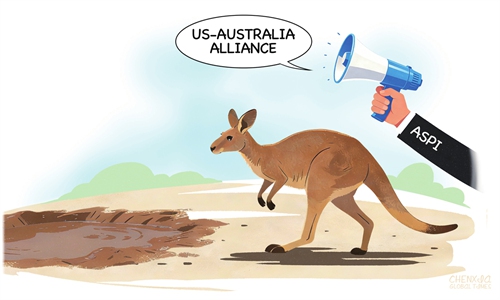
Amid a growing trend among some Western countries to reflect on their over-dependence on the US and seek to diversify partnerships, certain Australian forces remain entrenched in the mind-set of binding Australia closely to the US.
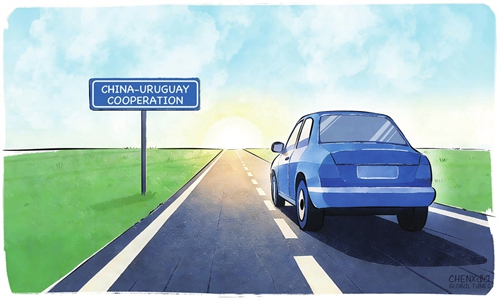
For a country like Uruguay, the risk is securing greater policy autonomy without provoking Washington. That balancing act is becoming an increasingly visible feature of Latin America's engagement with China.
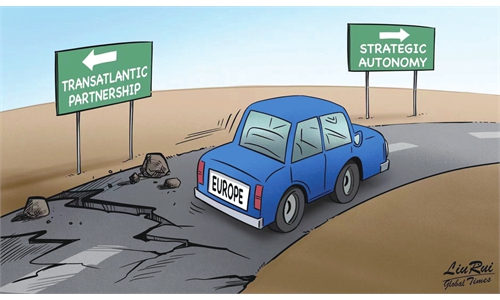
After Europe stoops to US' will for too long, straightening up now may bring sharp backache and unsteady footing. This is only natural. Yet if Europe does not stand tall today, the longer it delays, the more difficult the effort will become.

The story of Chinese games going global is both a narrative of industrial progress and a chapter in cross-cultural dialogue. Every steady step forward adds a new footnote to the evolving story of “Created in China.”
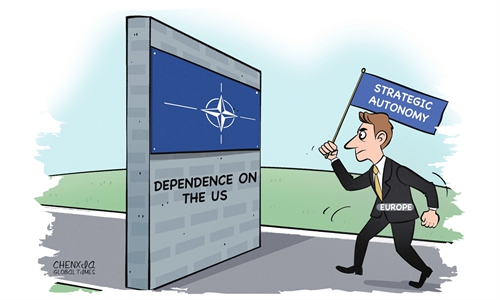
NATO Secretary General Mark Rutte once again poured cold water on Europe's debate over “strategic autonomy” by bluntly claiming on Monday that Europe is “dreaming” if it thinks it can defend itself without the US. Rutte might consider taking California Governor Gavin Newsom's “advice”: If maintaining the transatlantic relationship requires such a subservient posture, he might as well put on knee pads.
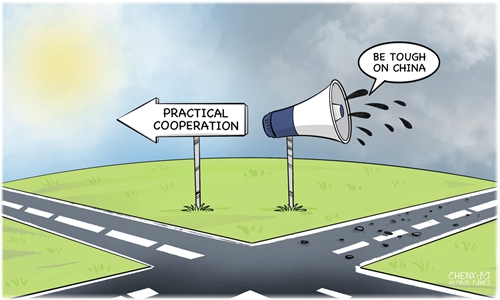
What do the divergent foreign media narratives about Starmer's China visit reveal? The ideological narrative on China in Europe still possesses inertia, yet pragmatic engagement is increasingly becoming the practical choice. In a turbulent international environment, pursuing dialogue and cooperation is, in itself, a positive and realistic choice.
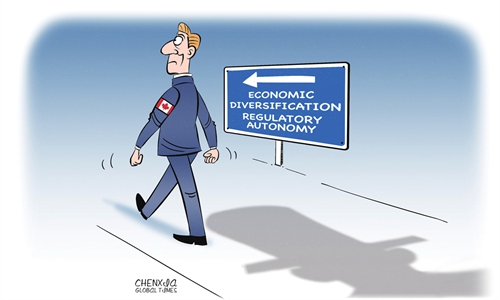
The world will not reorganize into neat “West VS East” camps. Instead, we will see fluid, overlapping, partial alliances and transactional networks. Canada's deal with China is not an isolated incident. It is a signal that the American-led order based on geographic and ideological division is disintegrating from within.
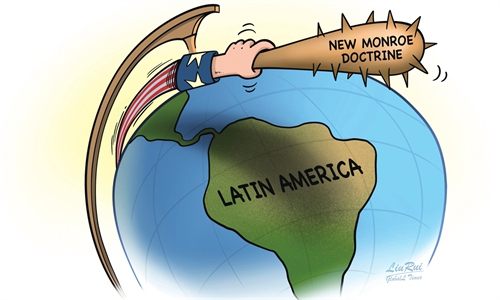
We need not obsess over whether the WSJ leak on US' Cuba regime change timetable is accurate. The true danger lies not in a specific timeline, but in Washington's rooted mindset of treating intervention as a right and hegemony as order. As long as the machinery of the new Monroe Doctrine exists, peace in Latin America will remain fragile.
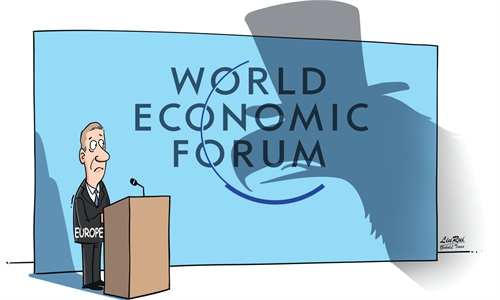
The statements at Davos have sent a clear political signal of Europe's awakening. Moving forward, Europe must consolidate its strength through unity, steer its own course with greater autonomy, and expand its strategic space through diversification.
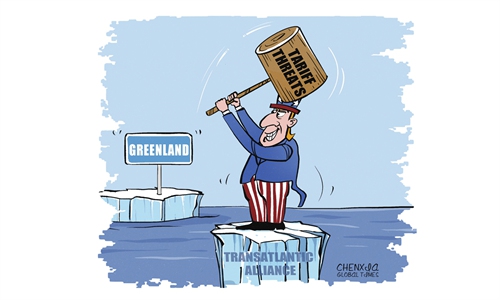
"Who are our enemies? Who are our friends? This is a question of the first importance for the revolution." This is a well-known saying most Chinese are familiar with. Europe has long believed the US is its friend, but does the US view Europe the same way?
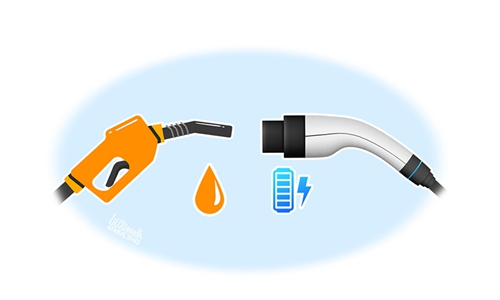
When the US no longer considers how to combine competition and cooperation, but instead adopts protectionism to swim against the current, it may only be prolonging the pain. What is the US losing? We're afraid it's not just automobiles.

Moving forward, AIIB is expected to play an even greater role in advancing multilateral cooperation in global governance.
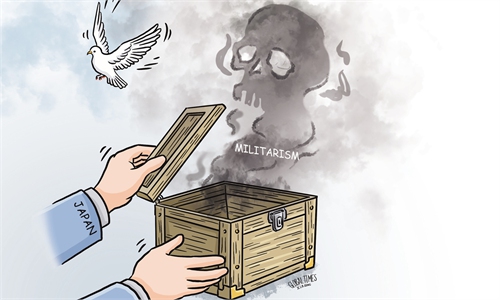
Today, Japan once again wraps itself in the mantle of “peace.” However, in practice, it pursues military expansion and policies that undermine regional peace and stability.
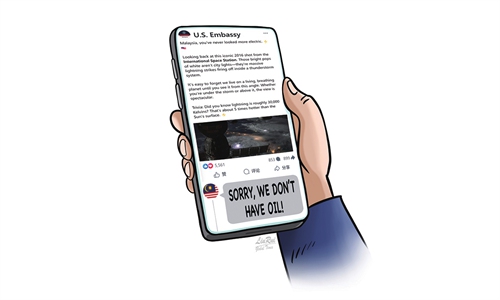
In Washington's worldview, a country's value is often measured by its resources and strategic position – value invites exploitation, while weakness is equated with safety.

Harbin's rising fame is not the triumph of a single scenic feature but the combined effect of convenient policies and unique experiences. It reflects a tangible form of China's appeal.
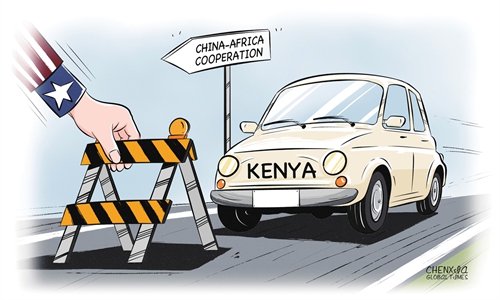
Africa belongs to Africans, and efforts to pressure African countries into making a so-called "choice" between China and the US amount to yet another blatant attempt to subordinate African development to Washington's geopolitical self-interest, at the expense of the well-being of African people.
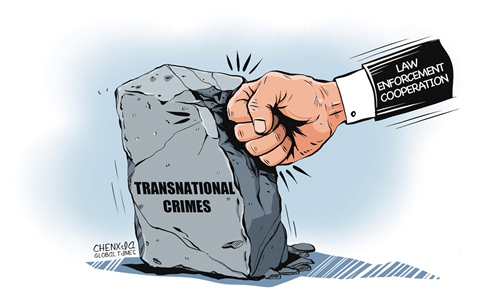
Successful law enforcement cooperation does more than combat crime - it clears obstacles to regional economic integration, provides investors with predictable security assurances and creates environments where people can live in peace of mind and engage in cross-border exchanges.
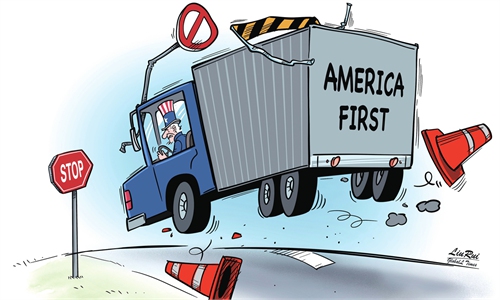
For its own sake and for global stability, the US must retain a clear understanding of the value of responsibility, rules and cooperation – and shoulder at least the most basic obligations expected of a major power.
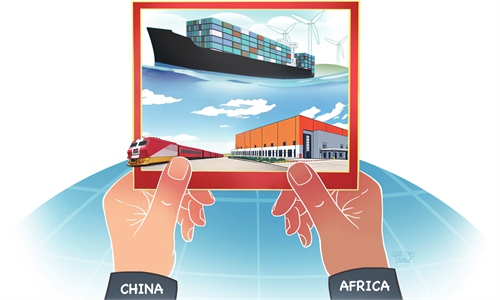
The 36-year new year tradition between China and Africa conveys a crucial sense of certainty in bilateral relations, and now – more than ever – a constant joint call for a more just, inclusive and trustworthy global order.
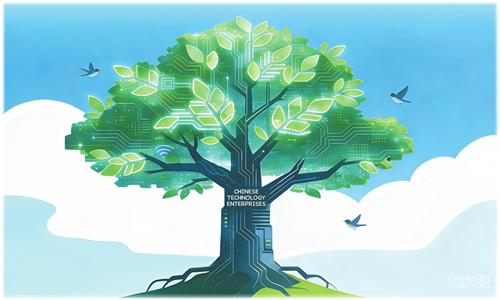
In the ongoing wave of technological change, China has consistently demonstrated its determination to turn development challenges into innovation opportunities and to make technological breakthroughs benefit global progress as a whole.
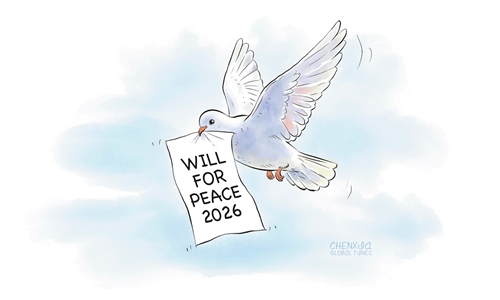
The “Will for Peace 2026” exercise does not target any third-party country or bloc as a hypothetical adversary; rather, it addresses the common threats to the security of maritime trade for BRICS Plus nations.

Deepening China-Ireland cooperation not only serves the interests of both peoples but also provides a valuable demonstration for China-EU relations: Countries with different social systems and at various development stages can fully achieve mutual benefits through mutual respect and equal dialogue.
China and the US are the world's largest developing and developed countries respectively. Focusing on their own development and managing their domestic affairs well not only concerns the well-being of their respective peoples, but also serves as a vital driving force for global peace and development.
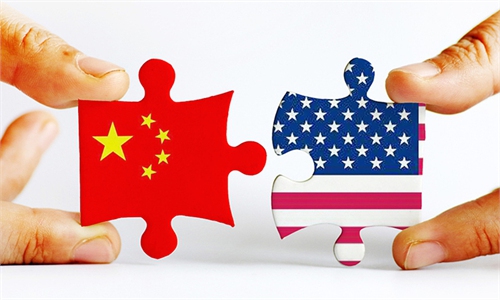
Cooperation between China and the US benefits both sides, while confrontation harms both, a reality that has been repeatedly verified through practice.

Upholding the spirit of seeking common ground while shelving differences, replacing confrontation with dialogue, resolving disagreements through cooperation and managing contradictions with a broader perspective, China and the US can be fully capable of achieving mutual success and shared prosperity.

The international aerospace media outlet SpaceNews published a commentary on Monday titled “It's time to unburden space cooperation with China,” directly pointing to a long-standing issue: the Wolf Amendment, a congressional bar inhibiting civil collaboration between the US and China in space. As space exploration increasingly becomes a shared endeavor for all humanity, the stark reality that the US continues to rely on Cold War-style restrictions – trapping itself in an increasingly outdated system – has sparked some reflection from within the country.

Behind the 25-billion-yuan box office of China's animated film are the “wings” that technology has given to culture, the fruit of Chinese culture, and the bridge built by international interaction.

The "Asian way" prioritizes gradual, practical steps that respect sovereignty. It aims to reduce tension and miscalculation through communication and cooperation. China's diplomacy focuses on concrete actions for a shared future: enhancing cooperation, managing security, minimizing disputes and de-escalating crises.
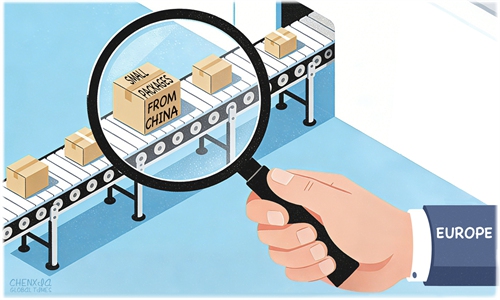
In its economic dealings with China, Europe's policy choices have become a defining litmus test for its commitment to market economy principles and will directly influence the trajectory of China-EU economic and trade cooperation.

The line outside the zoo gate and the words spoken in the Diet are extending in opposite directions. In one corner of Tokyo, politicians debate “geostrategy” and “confrontation.” Outside Ueno Zoo, however, that long, quiet line speaks volumes about ordinary people's deep appreciation for warm human connections that transcend national borders.
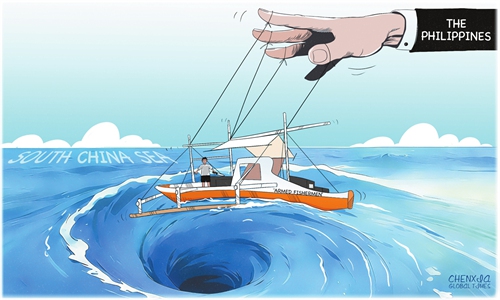
Stability in the South China Sea has never depended on who tells the better story. Pushing fishermen into confrontations, politicizing livelihood issues, and instrumentalizing security concerns will only leave the Philippines bearing greater risks itself.
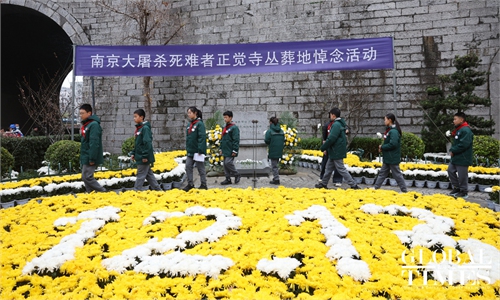
To forget history is to betray it; to deny guilt is to repeat the crime. This year marks the 80th anniversary of the victory of the World Anti-Fascist War. Upholding historical justice and preventing the resurgence of Japanese militarism represent the shared will of the forces of justice in the international community.
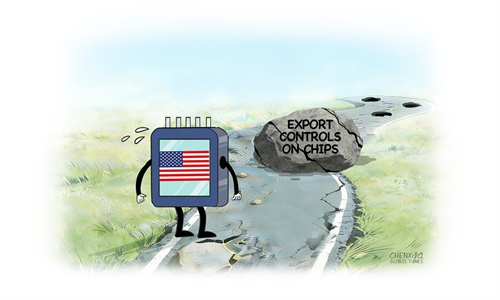
When China explicitly defines advanced chips and computing power as core capabilities that must be indigenized, and commits national resources to sustained investment, the impact of whether the US "sells or doesn't sell, what it sells and how much" on China's long-term trajectory diminishes significantly. At most, it can affect pace and cost, but it cannot alter direction or objectives.
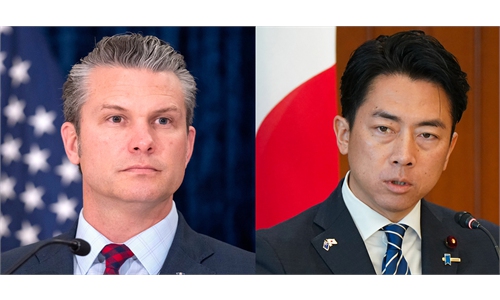
After whining to a circle of Western officials, Japanese Defence Minister Shinjiro Koizumi finally reached his US counterpart Pete Hegseth. Yet the stark differences between the two sides' official readouts of the call deserved far more attention than the conversation itself.
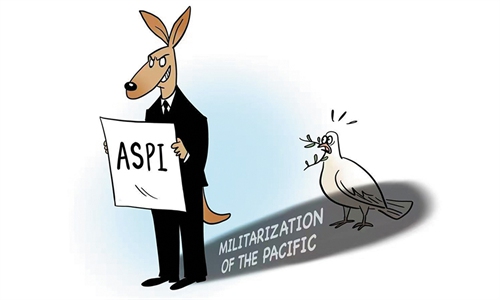
Some in the Australian strategic circle could not find a more "appropriate" timing than now to once again hype up the "China threat" narrative and propose measures against China.
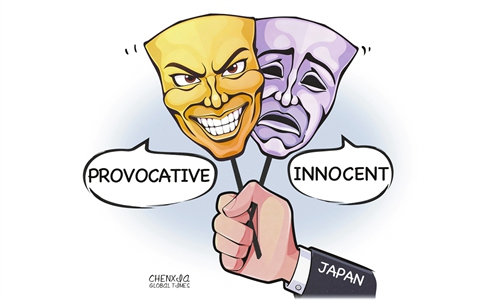
History rolls on, the cast changes, but Japan's lines stay exactly the same - "It's never Japan's fault; Japan was forced to defend itself."
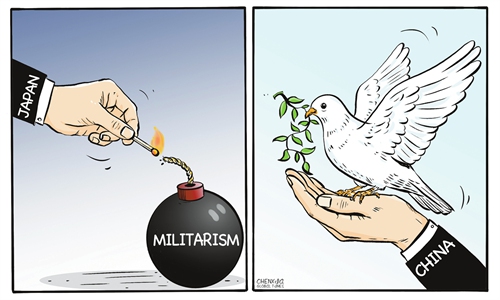
At this critical juncture in the reshaping of the international order, the world must cherish the power of peaceful development even more and remain wary of any resurgence of militarism.
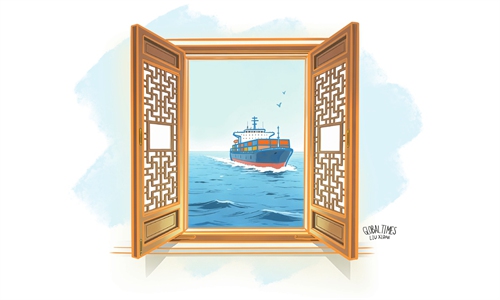
From ASEAN to Africa, from Latin America to the Middle East, an increasing number of countries are benefiting from the stable demand of the Chinese market, as well as from investment, and technological cooperation. They understand better than any media that China is not a "beggar-thy-neighbor" actor - it is a partner that shares opportunities.
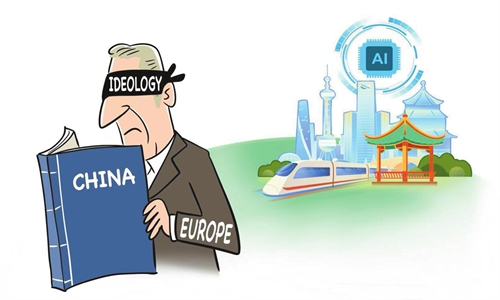
The Nexperia issue was not merely a political embarrassment for the Netherlands; it reflected a deeper reality: Europe has habitually underestimated China's capabilities and intentions. It was symptomatic of a broader cognitive gap that continues to shape and even distort Europe's China policy.
But is Xiaohongshu really "unsafe"? The truth the DPP dares not admit is hidden in its panicked excuses, in Taiwan youth's longing for the real world, and even more so in the growing awakening of Taiwan society.
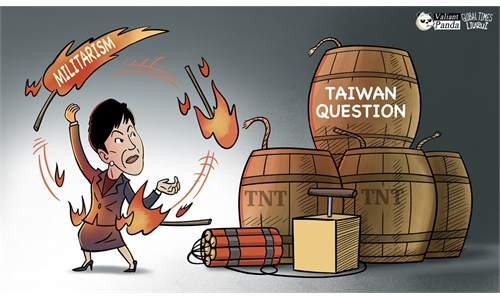
The controversy surrounding Japanese Prime Minister Sanae Takaichi's remarks on Taiwan continues to escalate. Her latest statements on the matter have exposed Tokyo's sinister intent to play word games and muddle through.

As the world's first scheduled commercial route connecting two near-antipodal cities - Shanghai and Buenos Aires, almost diametrically opposite on the globe - it has ushered in a new chapter for Global South connectivity.
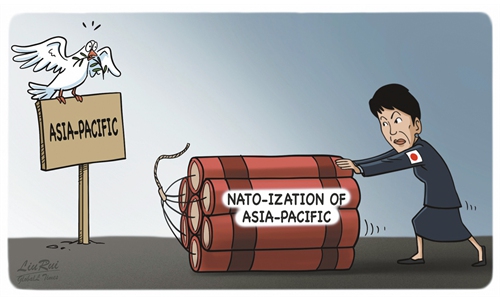
Bringing NATO to the Asia-Pacific region will only increase anxiety of regional countries and create instability. If Japan really cares about the security in the so-called Indo-Pacific region, it should stop playing fire with the Taiwan question and stop stimulating security nerves of regional countries.
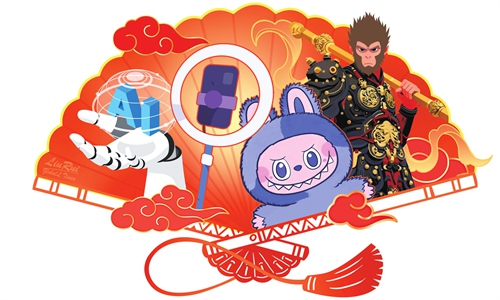
The concept of “Cool China” didn't emerge from a top-down promotion, nor was it manufactured by foreign media. Rather, it grew out of the spontaneous and genuine reactions of overseas public, especially young people, who after looking beyond layers of preconceived “filters,” are finally seeing China as it is.
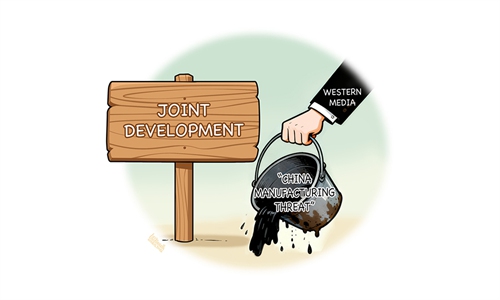
Western efforts to "contain China" are increasingly being projected into the wider developing world, seeking to weaken trade and industrial ties between these countries and China. That is what a genuine beggar-thy-neighbor strategy looks like.
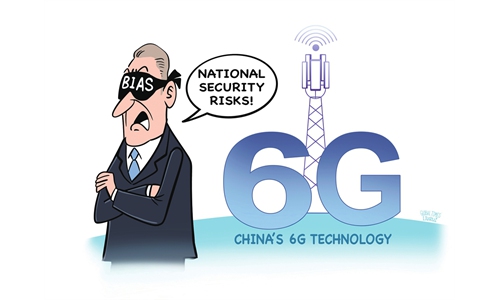
Smearing China's 6G based on security biases is both unfounded and detrimental to its own interests.
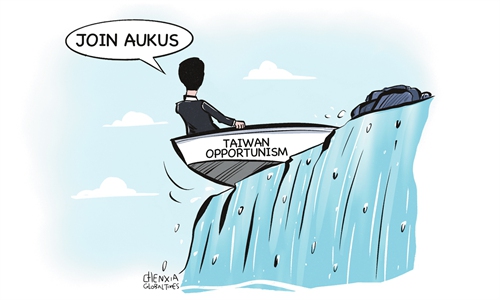
Taiwan's petty calculations regarding joining AUKUS reflect its malicious intention of seeking more room and external support for “independence” on the international stage. However, “Taiwan independence” separatists should recognize that there is no room for reckless actions.
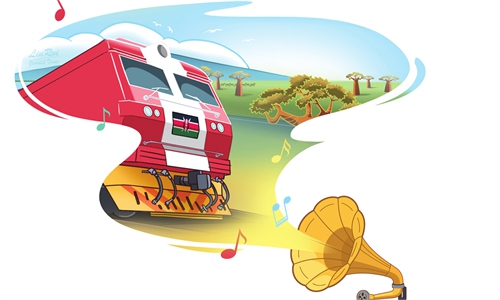
The SGR is running and carrying the nation's ambitions on its rails. We should celebrate this monumental national achievement for what it is: a bold step toward the future Kenya is building for itself.
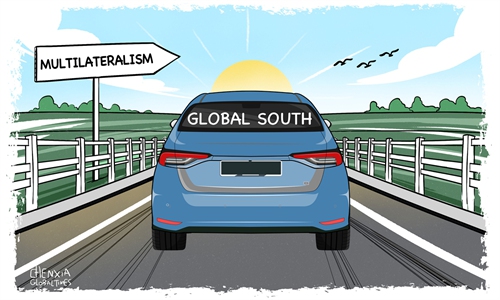
This year's G 20 summit carries symbolic weight beyond its specific declaration. The world is changing. If the US continues to respond with familiar displays of displeasure — boycotts, walkouts, attempts to block consensus – it may eventually discover that fewer and fewer countries feel obliged to coax it back into the room.

USCC report reveals the arrogance and anxiety of a major power struggling to adapt to a changing world.

The UK's anxiety does not stem from the so-called security, but the discomfort and alert toward China's technological leadership. A wise option for the UK is to stop indulging in pride and prejudice, but engage in mutually beneficial cooperation with China.
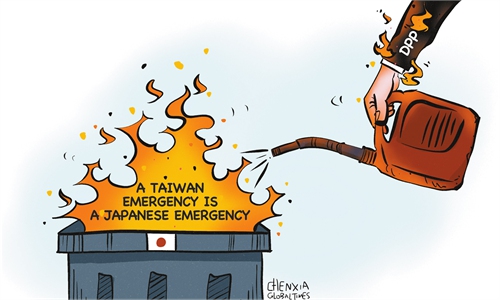
The blood-stained memory of Taiwan under decades of Japanese colonial rule underscores how sensitive any foreign military intervention - even an implication - in Taiwan island's security is.
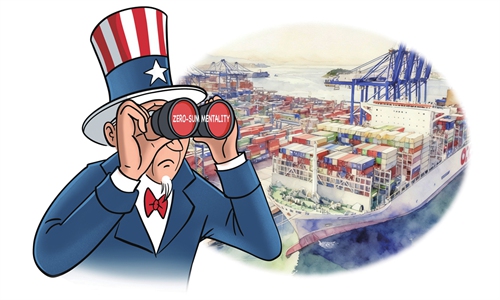
Washington's goal is not to promote Greece's prosperity but to squeeze out China by “replacing” Chinese investment and forcing countries into a binary choice.
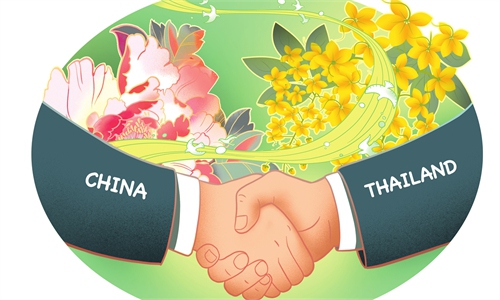
The Thai King's visit sends a clear message to the world: China is an “unmovable neighbor” and a partner for common development.
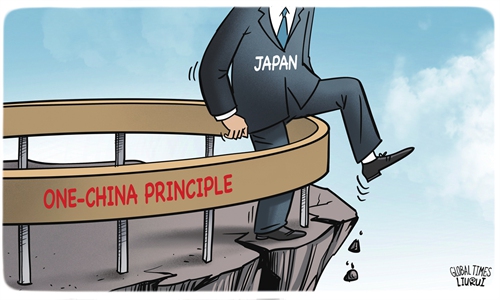
Takaichi's misguided remarks are part of a broader pattern. To truly correct its course, Japan must begin with an accurate recognition of history.
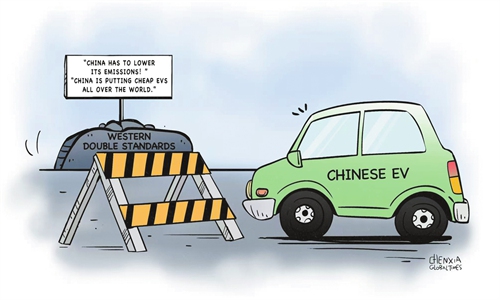
Frank words from COP30 President André Corrêa do Lago in a recent interview with The New York Times captures a long-standing absurdity in global climate politics: Some in the West apply blatant double standards toward China's green development, trapped in a self-contradictory mind-set.

When athletes sprint across the Hong Kong-Zhuhai-Macao Bridge, when spectators travel effortlessly across the region, when institutional barriers quietly dissolve through collaboration – what people witness is not just a sporting spectacle, but a vivid portrait of an international metropolis cluster rising on the success of “one country, two systems.”
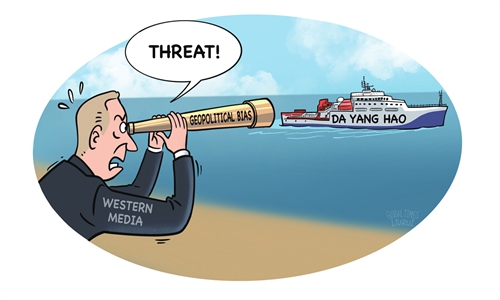
The Da Yang Hao's voyage signals a healthy normality: scientific cooperation by a rising power that is not conquering, but participating. If the West feels threatened by this, the discomfort lies in its own reflection – in realizing that its historic monopoly on defining the ocean's meaning has come to an end.
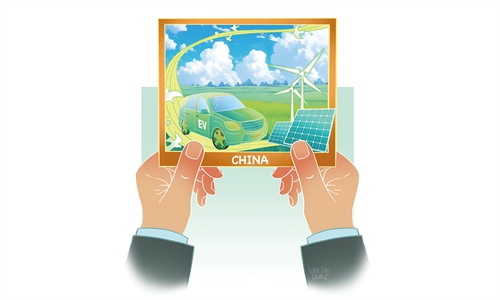
While the potential for cooperation in air pollution control is substantial, the depth and breadth of future collaboration will largely depend on how the Indian government responds to China's goodwill in sharing its experience.
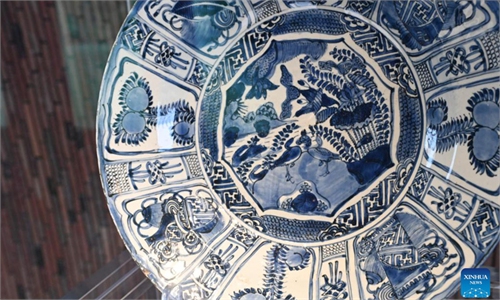
Driving along the tidy streets into Jingdezhen, Jiangxi Province, seeing the porcelain sculptures line the road, you feel the breath of history.
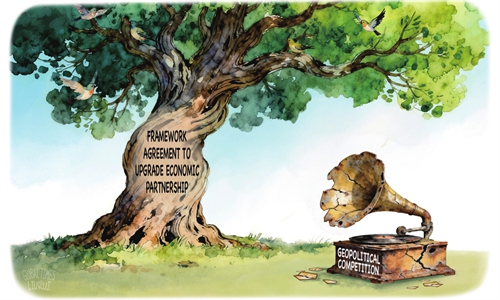
What truly undermines democracy is the attempt to strip island countries of their right to make independent choices. What Pacific Island nations need is not “democracy preaching,” but genuine respect and the right to development.
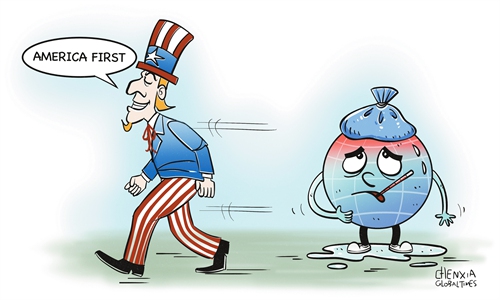
The European Union and emerging economies, such as China and Brazil, are stepping up, advancing global green development and offering pragmatic cooperation. As Washington reverses course, the world's climate agenda is not collapsing - it is evolving toward a more decentralized and multipolar model of governance.
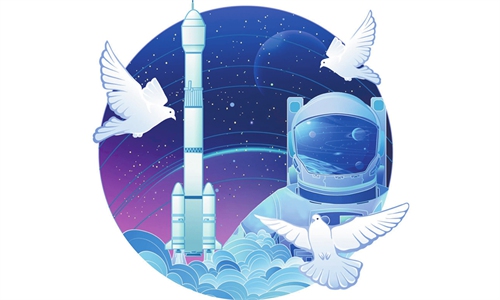
Shenzhou-21 is more than a spaceflight — it is a symbol of a nation that pursues balance, reason and cooperation.
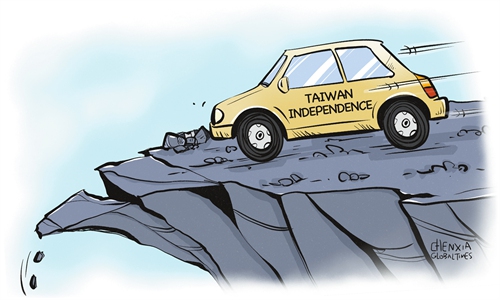
A clear trend is taking shape. The Chinese mainland is moving more decisively to punish "Taiwan independence" separatists, while in the US, a growing chorus is advocating a sober, reality-based reassessment of the Taiwan question. For the separatists still lost in their fantasies, the wake-up call has already sounded.
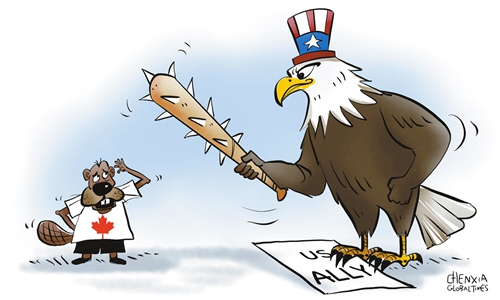
The advertisement controversy serves as a prism, reflecting the structural dilemmas Canada faces in safeguarding its economic sovereignty while seeking pragmatic cooperation in an asymmetrical power dynamic.
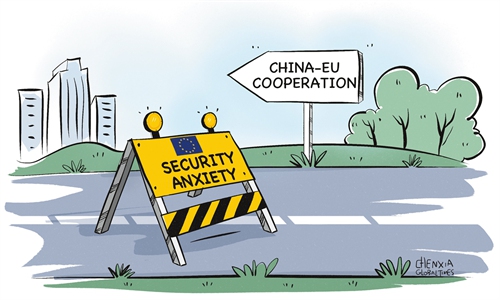
Europe's security in a globalized economy depends on moving beyond threat-based reactions to embracing equitable, transparent, and mutually beneficial engagement, not isolation.
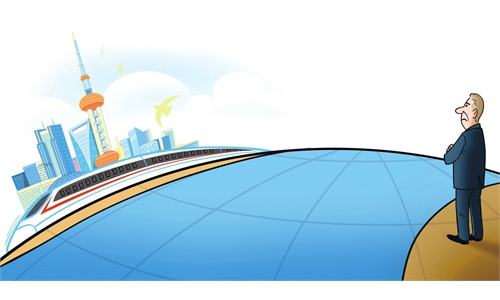
The @nytimes acknowledges China's achievements but hunts for flaws – like “debt” or “enormous costs” – to soothe its sour envy. At its heart, this anxiety is a refusal to confront real US issues.
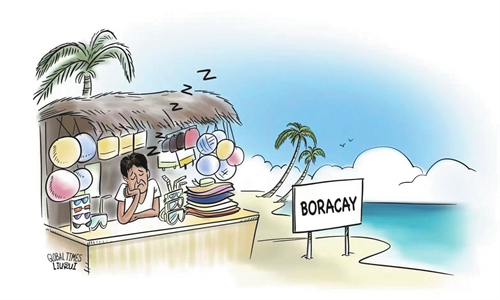
Robust and vibrant tourism exchanges are built on a foundation of mutual trust and positive bilateral relations between two states. Given the Philippines' continued infringements and provocations in the South China Sea, alongside the persistent domestic anti-China sentiment, Manila's e-visa program for Chinese tourists will serve only as a symbolic gesture with limited outcomes.
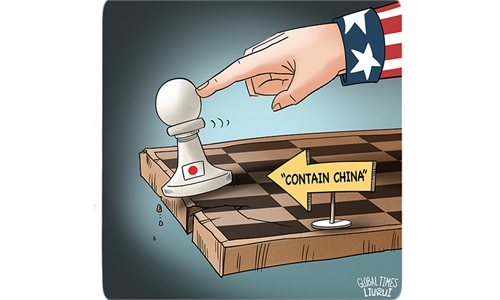
Japan must recognize that it cannot economically separate itself from regional cooperation. The path that truly serves Japan's national interests lies not in being dragged into US-led geopolitical gambits, but in returning to a cooperative framework. Otherwise, Japan risks being marginalized from the broader trend of regional integration.
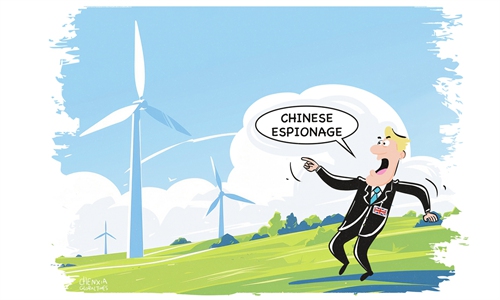
Perhaps the greatest security challenge facing the UK today is not the imagined fear of China's “enormous power over UK energy grid,” but rather whether its policymaking can free itself from the interference of irrational anti-China rhetoric.