Finding more 'everyday diplomats' between China and the US: Global Times editorial
How can a cup of bubble tea or a piece of fried chicken touch people-to-people ties between China and the US? Perhaps the answer lies in those waiting in line.

Hopefully, New Zealand will carefully weigh its own weight, refrain from actions that are neither graceful nor wise, and stop acting out until it is rebuffed by the Chinese side.
How should we weigh the Chinese top leader's state visit to the US after 11 years? Former senior US diplomat Chas Freeman shared his view: It is an exercise in the maintenance of a relationship, an effort to slow the deterioration of that relationship. Things can evolve over time. And seeking common ground while reserving differences for later resolution is entirely appropriate.

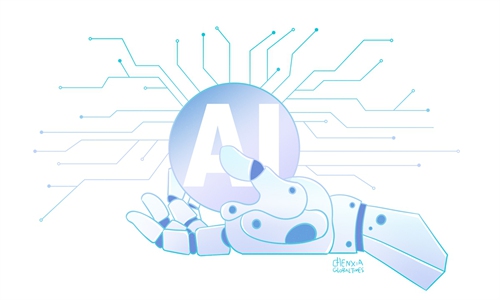
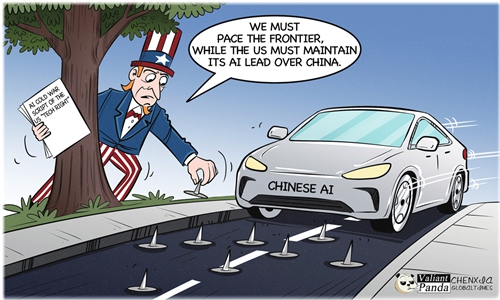
What the US really needs to overcome in its "speed debate" over #AI is the cognitive barrier erected by Cold War mentality. Framing AI development as a zero-sum game and viewing China's progress as a threat to US security will ...
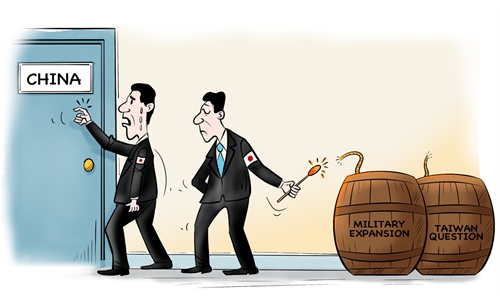
Takaichi's open provocation further proves that the 'enemy state clauses' must not be removed
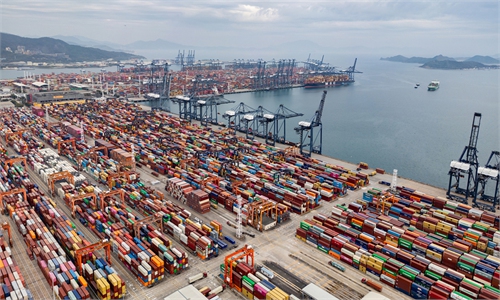
Does China's widening trade surplus 'crowd out' other countries?: Global Times editorial
Steering constructive China-US relationship of strategic stability forward on steady, sustained course
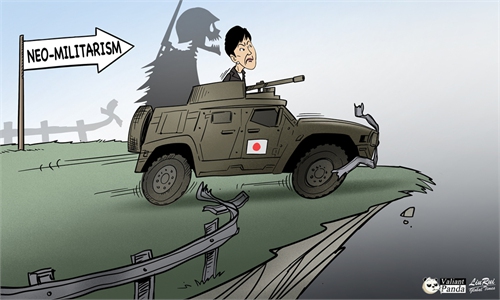
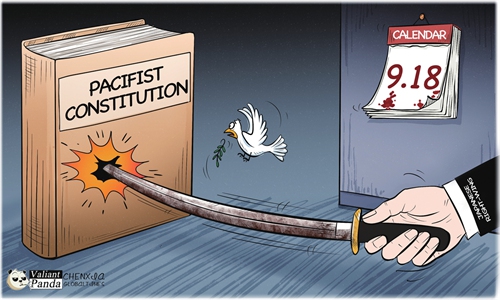
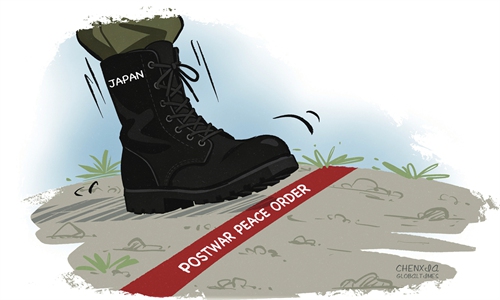
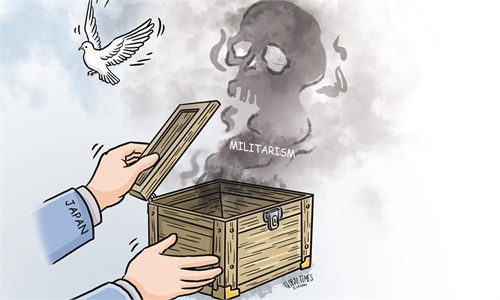
China-ASEAN cooperation offers an Asian model for global governance Japan is planning to build around 130 new ammunition depots. This dangerous impulse to "return to the prewar era" is driving the Japanese government to gradually break free from the constraints of the postwar pacifist constitution, dragging the entire nation onto the path of becoming a "war-capable state."
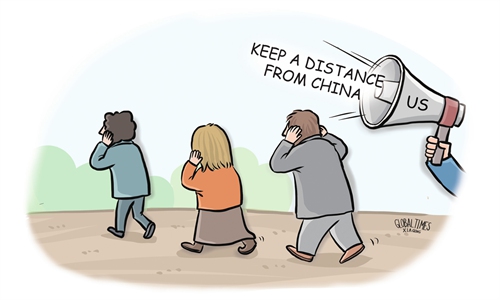
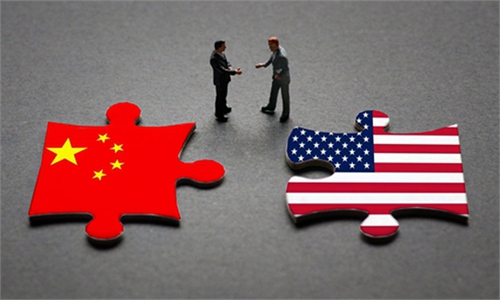
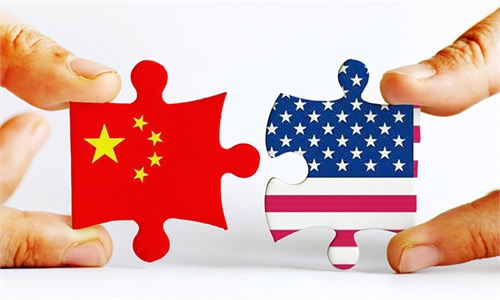
The world is big enough for China and the US to develop together and prosper in their own ways.
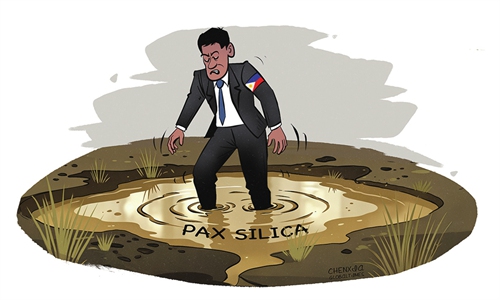
The Philippines announced in April that it would join the US-led #PaxSilica initiative. Several months on, what is becoming increasingly clear is the price that ordinary Filipinos may have to pay.
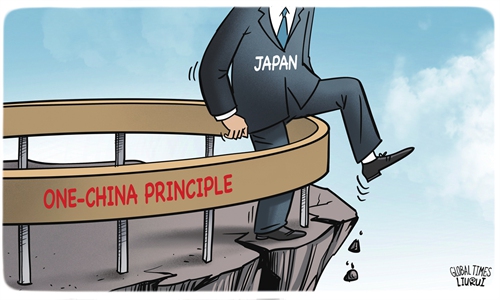
We urge Manila to abandon any sense of complacency or speculative thinking; playing with fire and testing the limits of the one-China principle will certainly not end well for it.
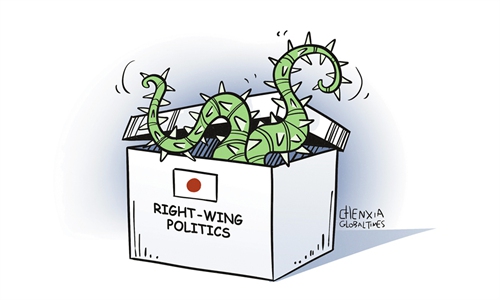
Japan completed a cabinet reshuffle as well as personnel changes in the LDP leadership recently. The possibilities that potential vulnerabilities were to escalate cannot be ruled out.
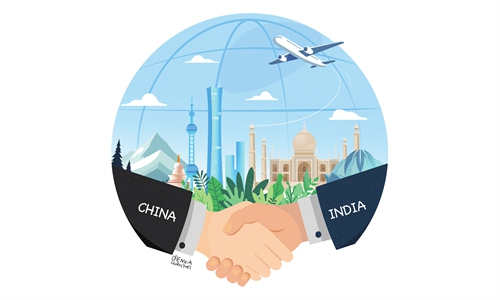
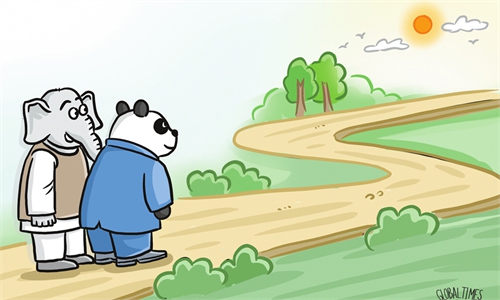
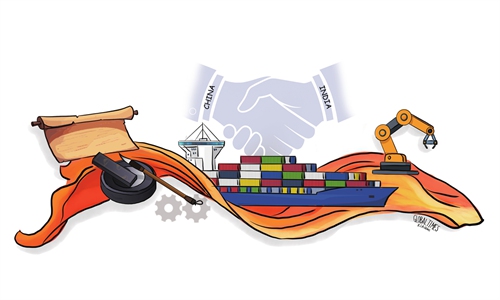
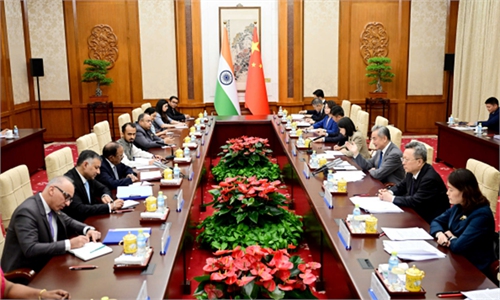
The meeting between Chinese and Indian leaders in New Delhi is more than just another bilateral encounter on the sidelines of a multilateral summit.
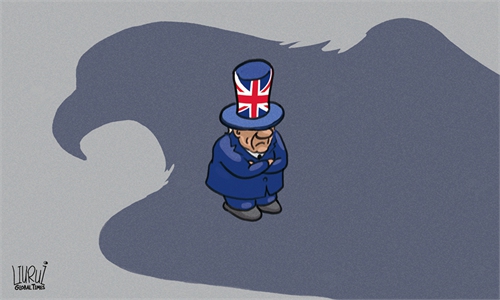
From the Malvinas Islands to Northern Ireland, the “special relationship” between the US and the UK is being reevaluated, and the UK's experience serves as a microcosm of the shared predicament faced by US allies.
When people of different ages, regions, and experiences resonate with the same melody, are moved by the same sense of home, and unite in the same hope for peace, "we are one family" becomes more than a line on stage.
The South China Sea is not a "testing ground" for Japan's military expansion, nor will the countries surrounding the waters ever allow the region to become a breakthrough point for reviving Japan's old militarist dreams.
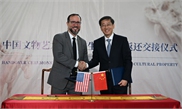
Over these 17 years, China-US bilateral relations have experienced ups and downs and faced numerous variables, yet this cooperative channel for cultural property recovery has remained consistently open and has never stalled.
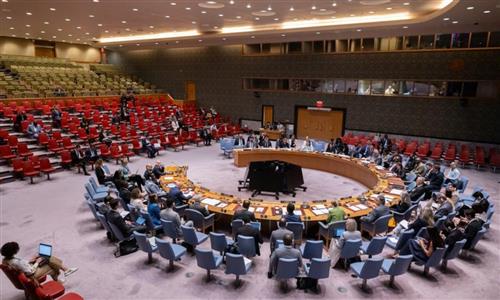
China's fair word at the UN is not complicated.
In the quest to promote humanrights and the right to development, modernizing social governance is not an option; it is a necessity. China's Lizu village in East China's Zhejiang Province offers a guiding example of a comprehensive modernization process that does not just end in the urban areas but encompasses rural areas as well.
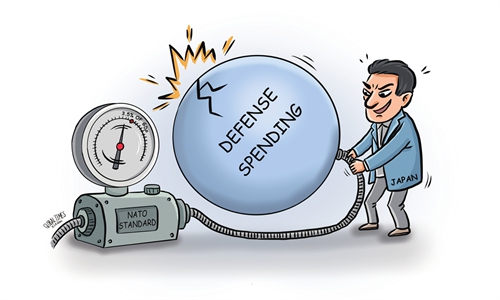
Under the pretext of “in line with NATO allies,” pursuing a defense-spending ratio of 3.5 percent of GDP would leave #Japan's Asia-Pacific strategy and national trajectory facing greater uncertainty.
The significance of China-India relations transcends the bilateral scope. In today's world, hegemonism and unilateralism are on the rise, putting unprecedented pressure on the development space of Global South countries. The unity and cooperation of China and India is a powerful counterbalance to the unfair international order.
Teodoro's political gamble is destined to go nowhere, yet it is the Filipino people who should never have to foot the bill.
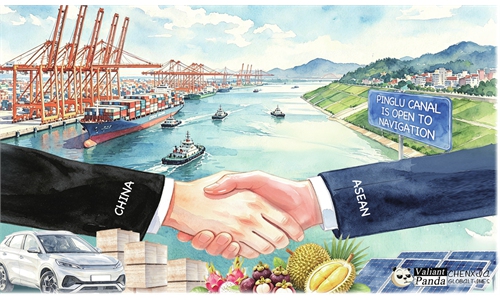
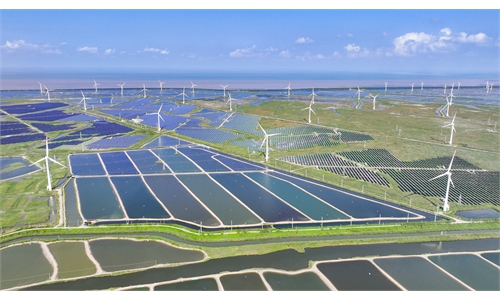
The Pinglu Canal connects the Xijiang River – a part of the Pearl River basin – with the Beibu Gulf. It is a great modern canal project linking rivers and seas. The opening of the Pinglu Canal will not only significantly reduce logistics costs, but also promote the economic development of neighboring countries, providing a strong boost to the vigorous economic and trade exchanges between China and ASEAN.
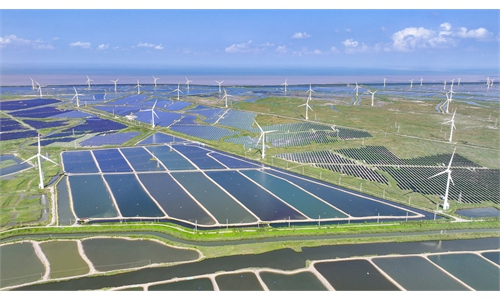
The world has China's "energy strategy to thank" for avoiding a "much worse" oil price shock.
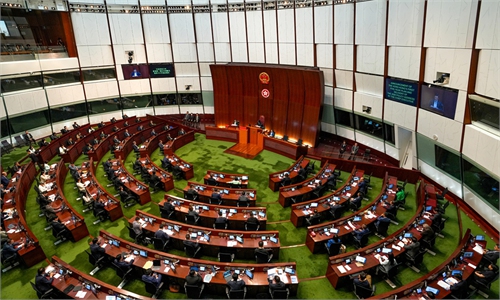
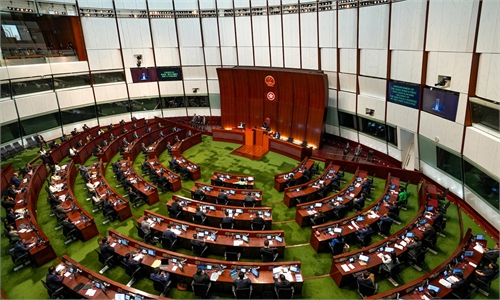
Hong Kong has produced a Policy Address in every year of its modern history. On Wednesday, for the first time, it produced something different: The Hong Kong Special Administrative Region (HKSAR)'s first five-year plan for economic and social development (2026-30).
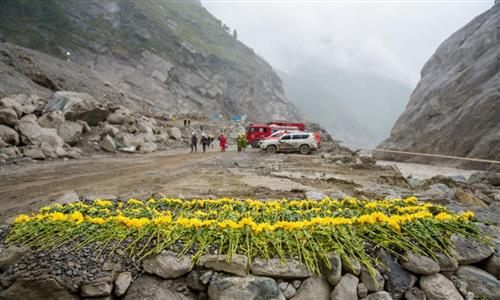
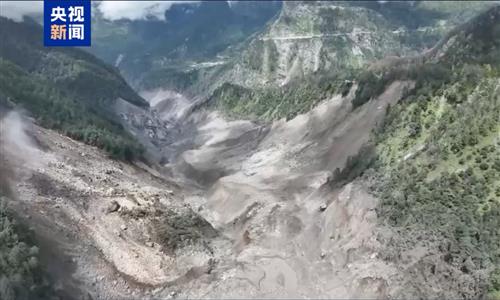
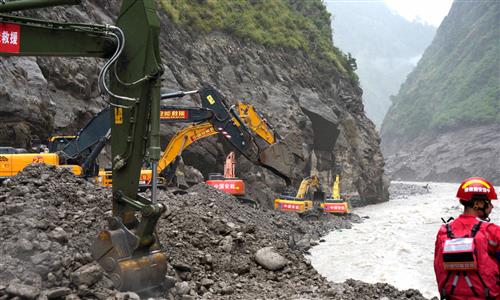
An international WWA report identifies the deadly cross‑border Nepal mudslide as a climate‑driven compound geohazard. The findings debunk unsubstantiated foreign-media speculations blaming Chinese infrastructure. A Chinese expert suggests upgrading from purely meteorological warnings to integrated warnings that combine meteorological data with cryosphere evolution.
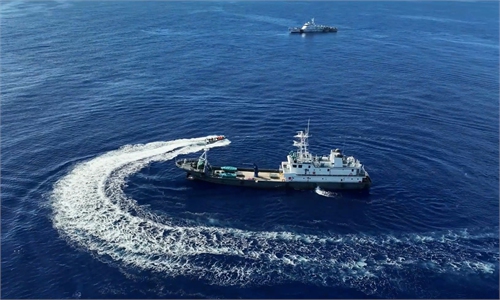
Philippine vessel's collision with CCG ship near Xianbin Jiao on the 95th anniversary of the September 18 Incident is a dangerous maritime incident entirely provoked by the Philippine side. Whether by coincidence or design, the Philippine's choice to provoke on this day will not yield it any advantage whatsoever. China will never indulge such coercive posturing.
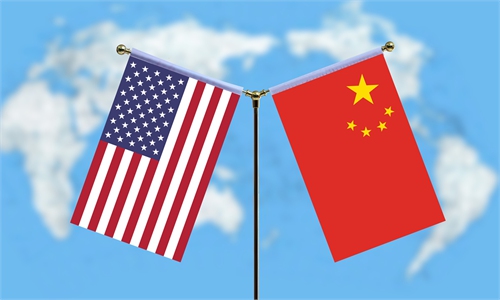
A single phone call cannot resolve the long-standing structural contradictions between China and the US, but it can calibrate expectations, delineate boundaries, and open up space for communication ahead of a new round of high-level meetings. For two major powers like China and the US, such communication is essential in and of itself.
The historic warning of the September 18 Incident still reverberates, and Japan is advised to turn back from its wrong path and win back the trust of its Asian neighbors and the international community through concrete deeds.
In the fall semester of 2026, the British literary classic Jane Eyre was included in the ninth-grade Chinese language curriculum as part of the “whole-book reading” list.
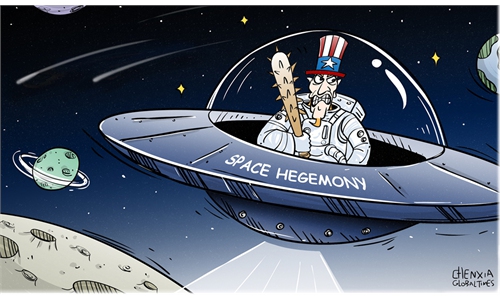
The old script of bloc‑confrontation on Earth is being replicated by the US in cislunar space.
On the 95th anniversary of the September 18 Incident, remain vigilant against the rise of Japanese neomilitarism and the acceleration of a shift to the right.
Countries adjoining the Himalayas share a common future.
Can the US cut China off? The US can restrict chips, control equipment and block certain technologies. But an industrial ecosystem willing to actually deploy AI on the factory floor isn't something export controls can choke off - it grows from its own soil.
The historical trend toward China's reunification will not be altered by a single "representative's office," nor will the regional trend toward peaceful development in Southeast Asia be reversed by a few political forces.
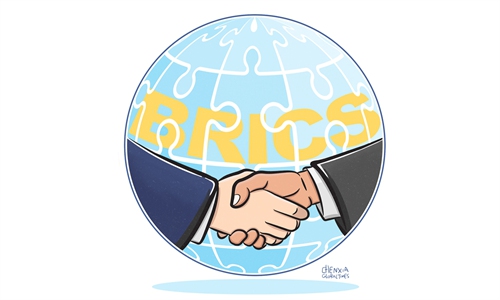
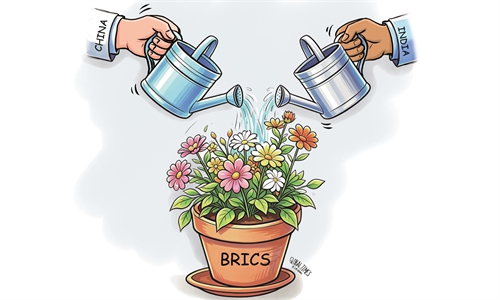
The New Delhi Summit confirmed that BRICS has neither lost direction nor exhausted its purpose. The task before China is to carry this confidence into the group's third decade through better coordination, functioning institutions and initiatives whose results can be seen beyond summit declarations.
The introduction of the first five-year plan reflects the HKSAR government's enhanced governance effectiveness and signals Hong Kong's entry into a new phase of development, accelerating the transition from stability to prosperity.
China's major river-to-sea Pinglu Canal opens for navigation on Sept 16, enhancing links with ASEAN
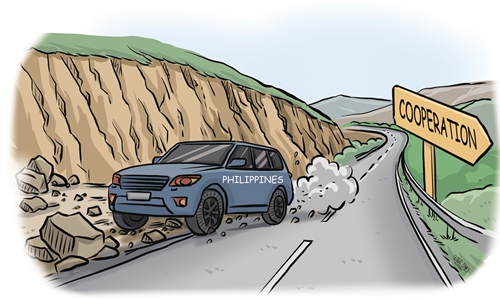
A confrontational approach toward China cannot improve the Philippine economy.
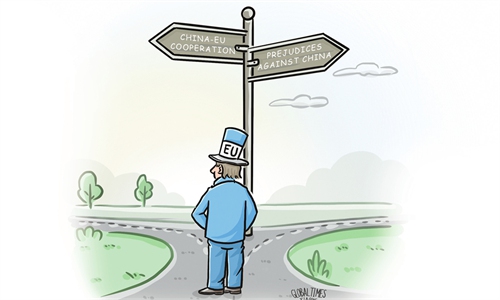
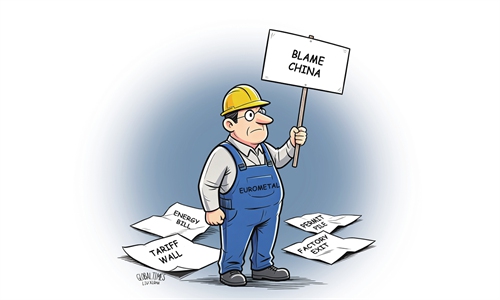
The EU simply cannot afford to decouple from China.
To some extent, it reflects growing dissatisfaction among local voters with Britain's mainstream political parties, with voters using their support for alternative parties to express that dissatisfaction.
The widespread popularity of Jiaofeng is an innovative breakthrough in the spy genre and a profound lesson in patriotism and national identity.
The value of Hong Kong's first five-year plan lies in the fact that it does not replace annual policy initiatives but rather establishes a clear division of labor with the annual Policy Address and the budget: The five-year plan sets long-term directions and phased objectives; the Policy Address outlines annual actions; the budget provides the necessary resources; and public oversight ensures implementation.
The value of the Pinglu Canal extends far beyond interconnectivity and economic and trade cooperation.
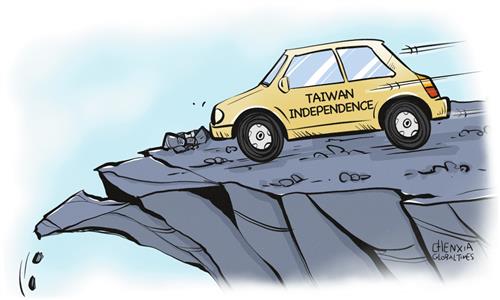
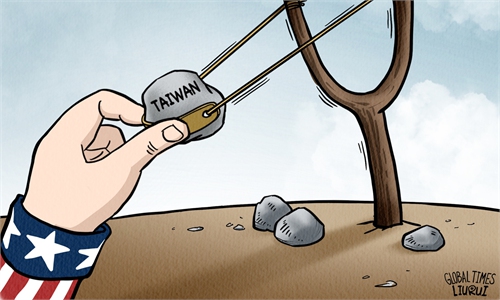
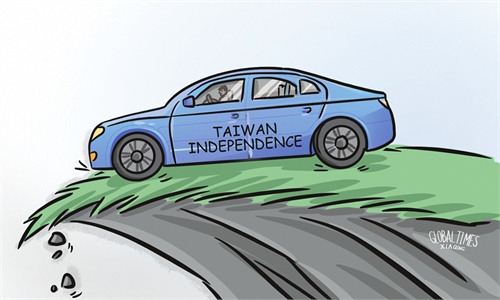
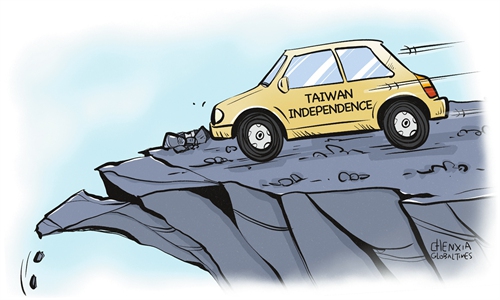
There is no so-called “gray area” on the Taiwan question, nor is there room for political speculation or opportunistic maneuvering.
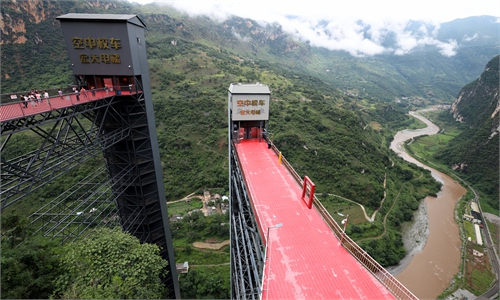
As more foreigners set foot in #China and witness its development, false narratives that “call a deer a horse” will increasingly lose credibility. The BBC's praise for Yunnan's “sky school bus” is a prime example.
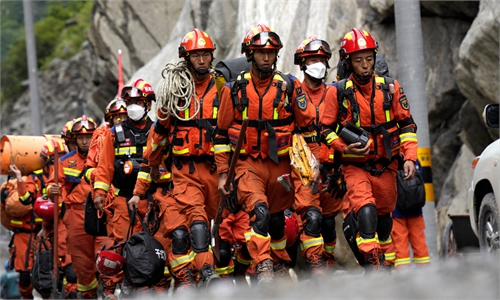
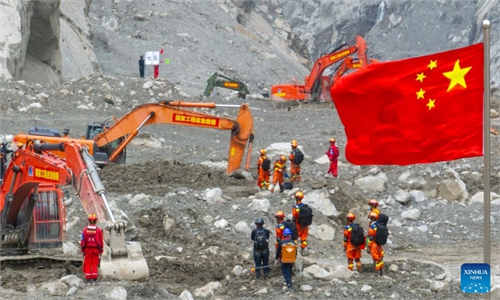
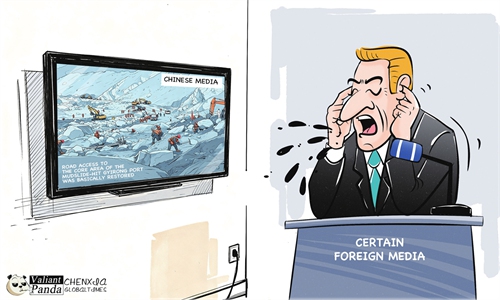
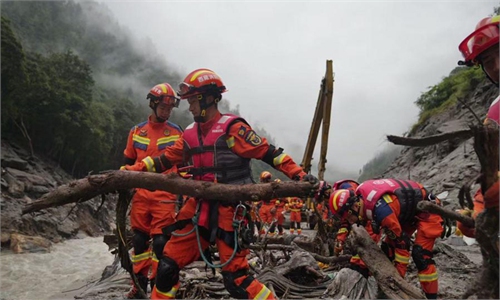
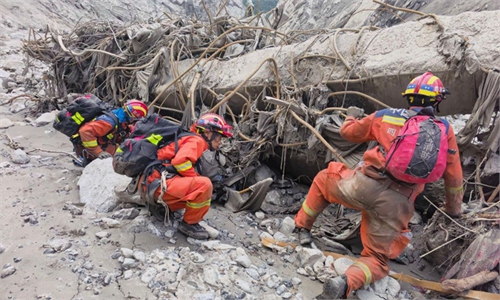
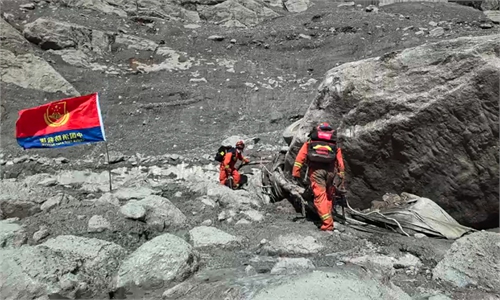
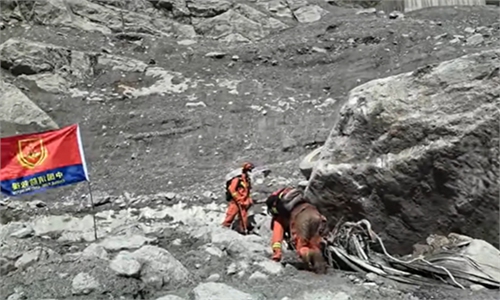
“What I witnessed was a large-scale rescue and relief operation being conducted under extremely difficult circumstances. The Chinese authorities deserve appreciation for facilitating international media access and providing information about the ongoing response,” wrote a Pakistani journalist who personally reported from the Gyirong mudslide-affected area.
Whether European political elites can maintain their capacity for introspection will be a key determinant of whether they can make correct policy choices.
India and China have demonstrated that difficult relationships can move forward when both sides choose strategic patience, mutual respect and engagement. The task now is not to take this progress for granted. It is to cherish it and build on it.
Foreign companies' interest in the Chinese market is far from disappearing.
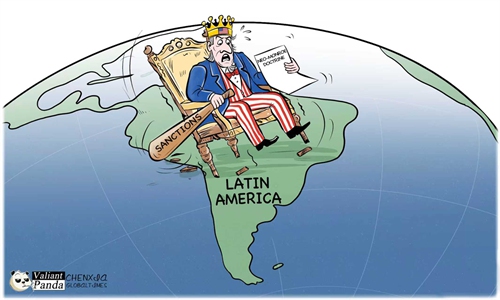
There is no need to look further than Peru to see why Washington's attempt to distance LatinAmerican countries from China is unlikely to succeed. For Latin American countries, the more pragmatic choice is to remain alert to the “confrontation trap” set by the US, ground their decisions in their own realities and maximize the shared benefits of practical cooperation.
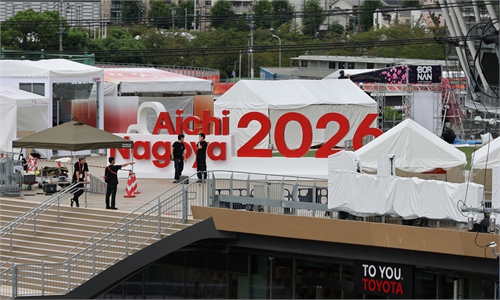
When athletes cannot even find a bed long enough to stretch out their legs, Japan has fallen short of basic decency.
China remains willing to manage differences through constructive dialogue. Continuing in this direction serves the interests of China and the US, the Asia-Pacific and the wider world.
HYROX should issue a formal statement on its official account that does not shirk responsibility and conveys a genuine sense of remorse.
India and China can now be more ambitious in their quest to stabilize and transform the relationship. There is a unique window of opportunity to collaborate on stabilizing, reforming and benefiting from the rapidly changing world setting.
BeijingXiangshanForum at 20: not a place where everyone agrees, but a place where people bring the differences to the table, then work out the possible common ground, bit by bit. That is a rare public good to an unstable world.
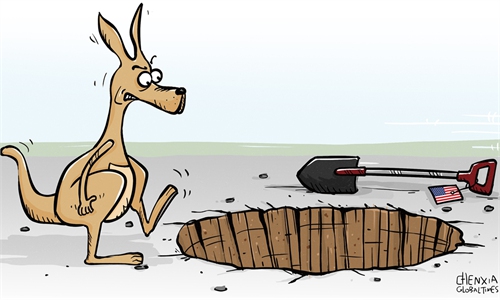
Is Australia strengthening its independent defense, or placing itself more firmly on the front line of the US' strategy toward China?
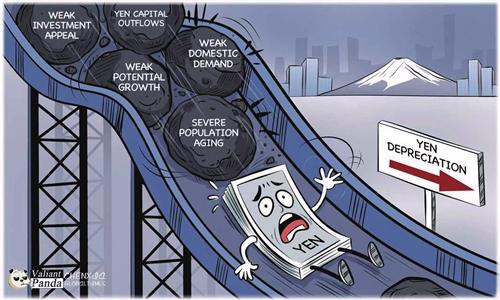
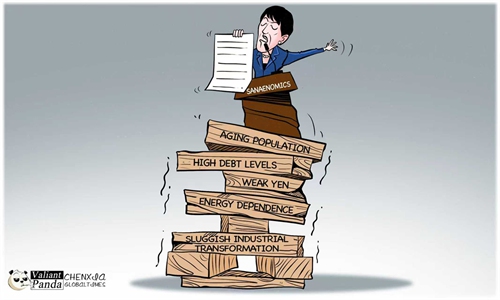
The world is witnessing the depreciation of the yen.
Disaster reporting must remain fact-based. Giving a natural disaster an unnecessary political or geopolitical dimension can risk overshadowing the actual suffering of victims. During a disaster, the first priority should not be political blame, but saving human lives and establishing the facts.
Can Europe's “new Arctic Strategy” work? While the EU's “new Arctic Strategy” contains reasonable demands, over-securitization and excessive focus on geopolitical competition and zero-sum games may backfire. The Arctic belongs to humanity. No confrontation, only cooperation.
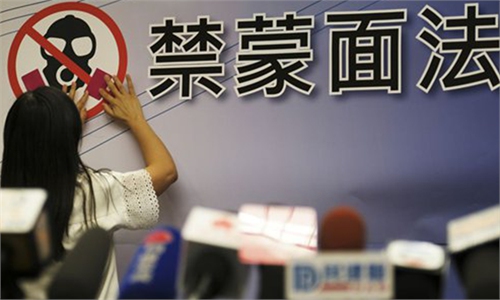
The same ban – “madness” in Hong Kong, but a measure to “maintain order” in London.
Twenty years is an important milestone, and also a new starting point.
The real question is this: What choice can keep Taiwan island away from war, let people live in peace, and give compatriots on both sides of the Straits a future they can plan for?
The crisis in the Strait of Hormuz looms. Yet China has kept its gas stations stocked, supply chains humming and consumer prices steady. How? The answer lies in decades of systematic energy planning.
August 2026 tied for the hottest month on record globally.
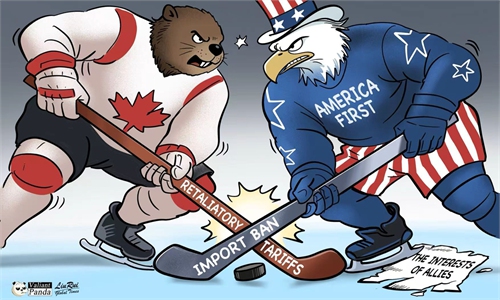
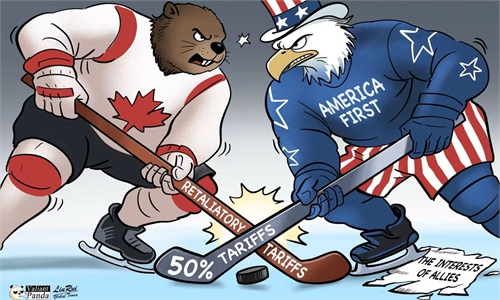
The US-Canada trade war is unlikely to cool down in the short term. It sends a clear signal to other US allies and partners. When an alliance shifts from a security community that shares risks to a transactional relationship, strategic arrangements that rely heavily on a single superpower inherently pose systemic risks.
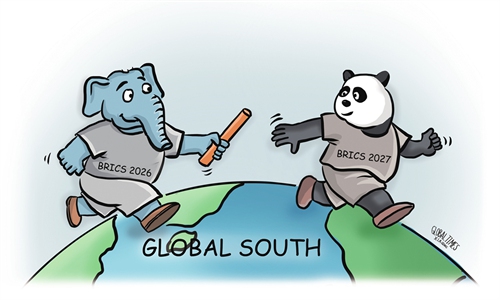
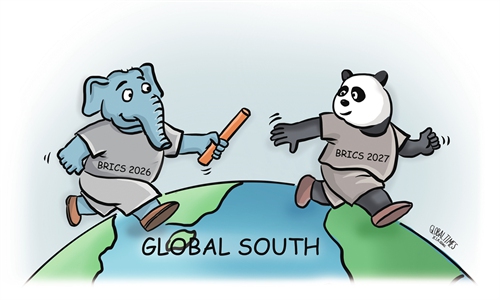
Continuity between India's 2026 priorities and China's 2027 agenda would send a powerful message, in which the two countries can hand the baton. When the two greatest civilizations tango and work together as partners, Asia is more stable and the Global South has a stronger voice.
If China and India collaborate, BRICS can become a workshop for development. If they remain divided, BRICS will continue to advance, but far below its potential.
Dario Amodei 's bid to discuss global AI security while seeking to “contain China” was not only a completely erroneous assessment but also a delusion that is fundamentally unachievable.
For the residents of Taiwan, what is truly worth striving for is a future in which they need not fear war, need not fear the hollowing out of their industries, and need not fear their young people being pushed onto the front line of risk.
All eyes are turning to New Delhi, where the 18th BRICS Summit is set to convene on September 12-13, 2026 — a moment calling for international leadership capable of expanding the scope of cooperation and building trust. The participation of Chinese President Xi Jinping holds particular significance, given his vision's underlying belief in the value of shared development and the capacity of nations to forge a more balanced future. The summit offers a renewed opportunity to translate this ambition into partnerships that bolster the Global South's presence and offer its peoples greater hope for progress and stability.
"I'm not an actor, so I don't know theatrics" Philippine Defense Secretary Gilberto Teodoro Jr. said, in what may already be one of the most theatrical lines ever delivered by a man insisting he does not perform. The irony is almost complete: the harder one tries to look un-staged, the more one appears to be holding an invisible script. In Teodoro's case, the stage never seems to close.
Why can the BRICS mechanism continue to grow, and why can BRICS cooperation remain so vibrant? The key lies in its commitment to openness and inclusiveness, its goal of win-win cooperation and its pursuit of fairness and justice.
Recently, online discussions among people on both sides of the Taiwan Straits surrounding the "one country, two systems" framework for Taiwan region have attracted widespread attention.
Recently, a new trend of rational, civil discussion on reunification across the Taiwan Straits has emerged. What matters most about this round of discussion is that, for the first time, people on both sides are trying to shift the conversation from slogans, emotions, and abstract positions, toward institutions, powers and responsibilities, and real-world boundaries.
We welcome Apple's entry into China's foldable market. But whether the iPhone Duo is truly "worth it" is for consumers to decide.
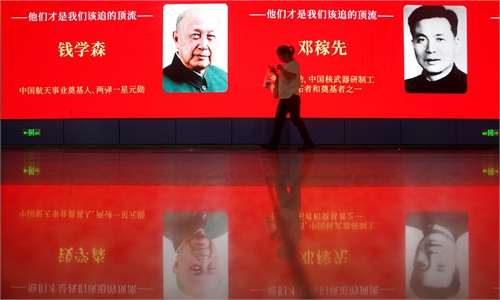
Giant posters featuring distinguished Chinese scientists such as Qian Xuesen, Deng Jiaxian and Yuan Longping have recently appeared on large screens in commercial districts in many Chinese cities, attracting attention on overseas social platforms.
There's nothing to lose from a great relationship with China – and everything to gain.
The most significant achievement to be the fact that the SCO has become a multilateral platform to successfully unite almost all the countries in the region.
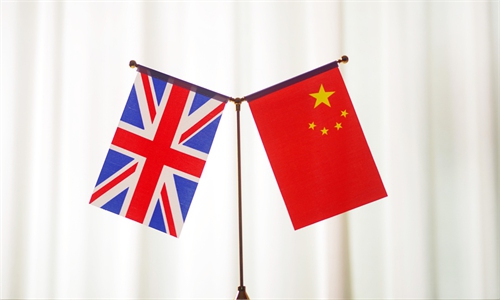
Differences between China and the UK are natural, but both sides can fully achieve a two-way effort to keep those differences in check and to expand and solidify cooperation. This phone conversation between the Chinese and British leaders should serve as a fresh starting point for the two sides to resume communication, enhance mutual trust and expand cooperation.
Building China into a financial powerhouse would not only support the development of the domestic real economy, but also help better safeguard the collective interests of the Global South and contribute to building a fairer and more equitable international financial governance system.
Policies can create orders, but they cannot create competitiveness. The real question is whether European companies can win orders on the basis of price, technology and quality. Is the EU's public procurement proposal to “counter” China protecting European industries or just an illusion of European competitiveness?
China and India should therefore treat their successive BRICS presidencies in 2026 and 2027 as a single two-year strategic window, prioritizing a common agenda of practical cooperation.
If, in the wake of such a tragedy, and if, when the next, even more violent glacier collapse arrives, humanity still cannot bridge its differences and act collectively, then we might not get another chance to get it right.
Today, 25 years after 9/11, shifting views on counter‑terrorism represent not some unusual chapter, but a recurring pattern. When a foreign threat is clear, Americans can rapidly pull together. Yet once the threat becomes long‑term and embedded in policy, the age‑old tensions between security and freedom, and between governmental empowerment and checks‑and‑balances, retake center stage in politics.
Ambassador Shearer should stop stoking Japan's “neo- militarism” and avoid dragging Canberra onto the chariot of Tokyo's militaristic “southward advance.” Otherwise, the arms race and risk of conflict that would ensue will bring real trouble to the Asia-Pacific region and eventually backfire on Australia itself.
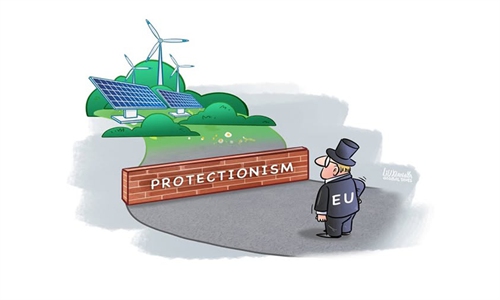
If the EU insists on going down this path, it will not only fail to resolve its "competitiveness" problems, but will also forfeit these new opportunities of cooperation. Europe should think twice.
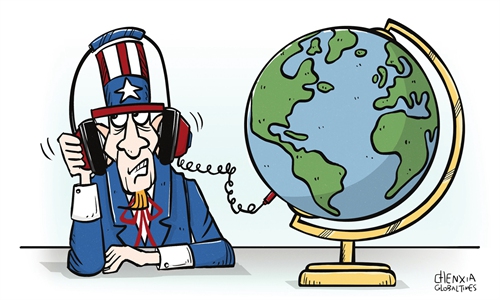
For decades, US intelligence agencies, like CIA, have used broad surveillance and infiltration tactics against allies with little resistance, and have likely grown used to getting away with it. But trying to apply the same logic wholesale to #China would be overestimating their own capabilities – and choosing the wrong target.
Taiwan island is deeply mired in a politicized, fragmented, and one-sided narrative about the Chinese mainland.
With remarkable restraint, China has acted as a buffer for tight global supply demand balances.
As two of the world's most populous emerging economies, a stable, predictable and amicable relationship between India and China is not only in the interest of our 2.8 billion people, but is also a significant factor for peace, stability and prosperity in Asia and the wider world.
This is the deeper trap in how the West so often reads China.
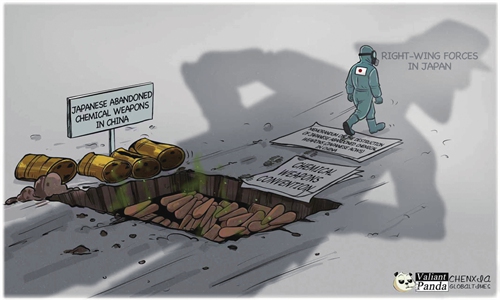
Japan must also face up to the issue of history.
If China's production capacity were truly “excessive,” how could it continue to win the votes of consumers around the world with their hard-earned money? There is only one real measure of whether this transition has succeeded: whether people around the world can afford better cars that are better to drive.
Why should anyone else's approval be required for normal China-Canada defense dialogue? The overly sensitive reaction to the China-Canada defense dialogue ultimately stems from Washington's hegemonic mind-set. At its core is a failure to treat other countries as sovereign entities with independent national interests and agency that deserve to be treated as equals.
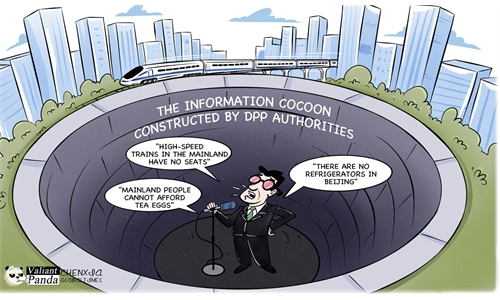
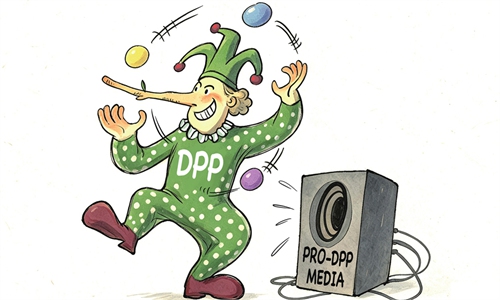
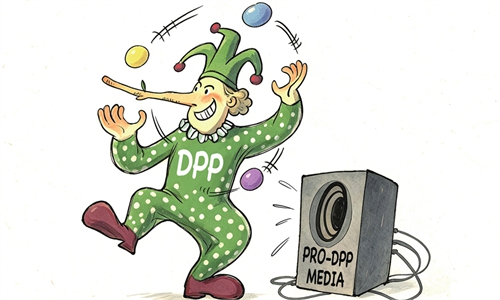
No refrigerators in Beijing? Taiwan region urgently needs to correct its understanding of mainland. Such distorted perceptions lie in the long-term promotion of “de-Sinicization” by the #DPP authorities, which has shaped a distorted image of the mainland among younger generations. Some people have never actually been to the mainland, yet they have already accepted a pre-packaged conclusion.
When neighboring countries align their national ambitions with regional and global imperatives, they contribute not only to their own prosperity but also to a more balanced, multipolar and just international order.
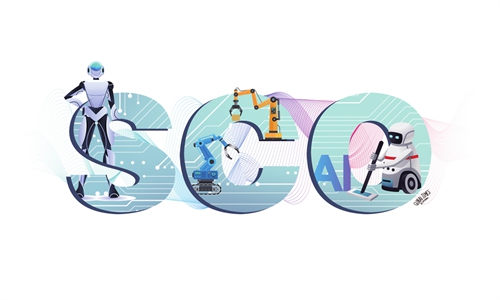
The SCO's AI cooperation has its greatest significance: It is beginning to move beyond the traditional logic of technology transfer toward a model of multilateral cooperation better suited to developing countries.
Europe urgently needs #China to accelerate its green transition, yet it simultaneously seeks to shut China out of its industrial development. The two objectives of being a "climate pioneer" and "decoupling from China" are fundamentally contradictory.
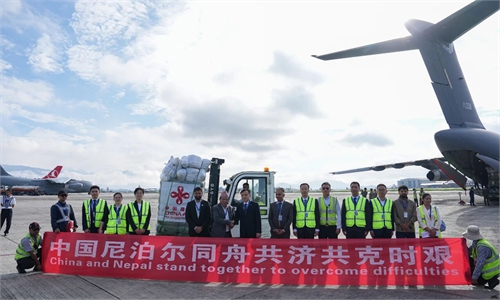
People from both Nepal and China can overcome the mudslide only through solidarity and joint efforts. There is no place for anti-China narratives while people are grieving, and Nepal cannot afford to be anyone's geopolitical tool.
Why did a hot meal for Chinese rescuers strike a raw nerve among some Japanese netizens? There is a possibility that cannot be ruled out: The outcry from some Japanese netizens may reflect a form of emotional overreaction, or simply serve as a channel for expressing dissatisfaction with their own country's disaster response.
In recent days, NBA player Dillon Brooks' visit to China's Wudang Mountains in Central China's Hubei Province to learn martial arts has once again sparked a wave of interest in kung fu on overseas social media.
"Colonization" is a heavy word. It belongs in Europe's own history books, not China-Europe trade. China doesn't run on that script.
If someone feels constantly on edge and loses sleep because China is becoming better equipped to safeguard its territorial sovereignty and integrity, then it means this is the right move.
Why did a monument in Russia trigger so much discomfort for Japanese Prime Minister Sanae Takaichi? The answer lies in how it exposes the hypocrisy of certain Japanese politicians who have long avoided, downplayed, or even attempted to distort history.
There's no such thing as a free lunch in Tokyo. The “Official Development Assistance,” driven by geopolitical calculations, conceals Japan's ulterior motive to destabilize the South China Sea from inside out.
Egypt can provide regional understanding and diplomatic access. China can provide economic scale, political reach and a willingness to engage across competing regional blocs. The two can contribute to a security framework in the Middle East.
It would be a breakthrough for Japan if it successfully deploys its main combat aircraft overseas, making increasingly visible Japan's ambition for military “normalization” and even an accelerated process of remilitarization.
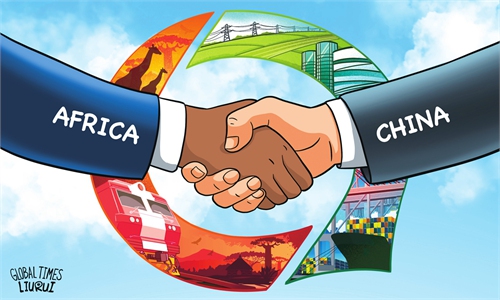
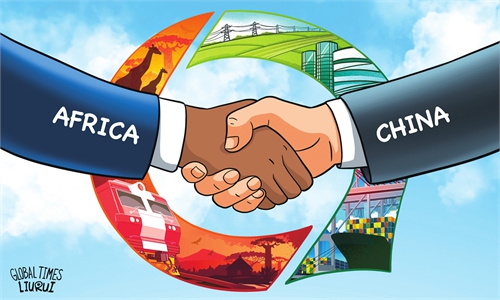
I see the China-Africa experience less as a finished template than as a living laboratory. Zero tariffs and SEZs function as twin engines.
A GT editor's journey to a Guizhou town tells the enduring vitality of rural China – the truest measure of a nation's progress.
The flames of a "witch hunt" will only burn those who light them; they will do nothing to help Britain overcome its own difficulties.
The Taiwan question concerns China's core interests and leaves no room for ambiguity. Betting its fate on external forces will ultimately reduce Taiwan region to a pawn. Building peace on the shared efforts of compatriots on both sides of the Straits and achieving national reunification at an early date is the true way forward for Taiwan region.
The chrysanthemum crest carved into the stone of a monument recently unveiled in Russia is a hallmark of the #Japanese militarism that committed monstrous crimes back then. The fact that Tokyo views militarist Japan with "sentimental attachment" demonstrates just how pressing a real-world threat neo-militarism has become.
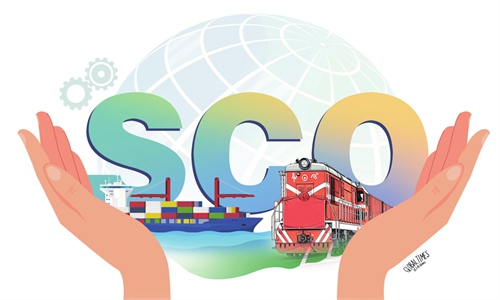
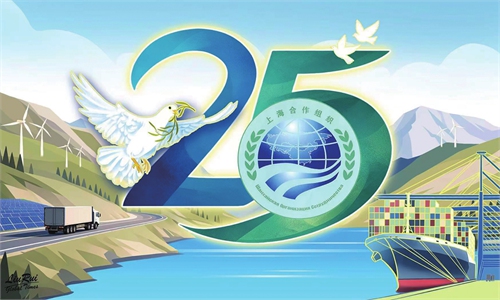
At 25, the Shanghai Cooperation Organisation (SCO) has demonstrated more than institutional endurance.
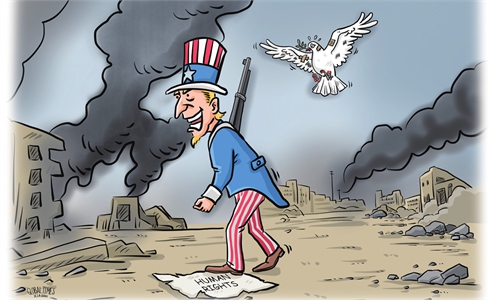
The use of force by the US and Israel against Iran shows the world that the international rule of law is taking the heaviest blow, that human rights and humanitarian principles are being most deeply trampled on, and that the moral decay of US "neo-imperialism" is being most starkly exposed.
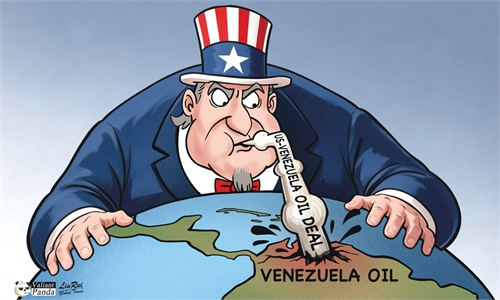
The US announces the largest oil deal in history with #Venezuela. This is not merely an oil deal, but a direct intervention in Venezuela's domestic politics and the neo-Monroe Doctrine in action.
Weather knows no borders. The China-Pakistan cooperation on MAZU also stands as a practical statement about how AI should evolve: Technology must serve human safety and development; innovation must be open and shared; capacity building must move in lockstep with application.
China was affected by the mudslide. China then mobilized to respond to it. China assisted Nepal in responding to it. Turning an evolving humanitarian crisis into an immediate geopolitical morality play does little to help those on the ground.
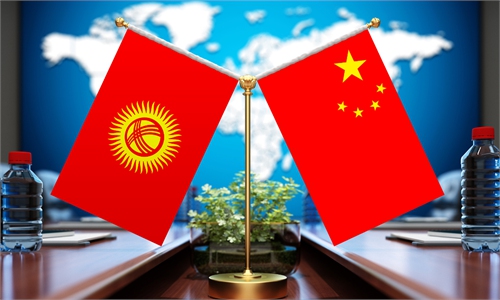
Kyrgyzstan is one example of broader green cooperation between China and the Shanghai Cooperation Organization (SCO) partners, ranging from clean energy and ecological protection to new energy vehicles and sustainable transport, as they pursue shared goals of low-carbon growth and a greener future.
Why can a media forum bring together representatives from more than 40 countries and regions in Shenzhen, South China's Guangdong Province?
The appeal of China's cooperation with countries of the Global South is being demonstrated through the choices these countries are making for themselves.
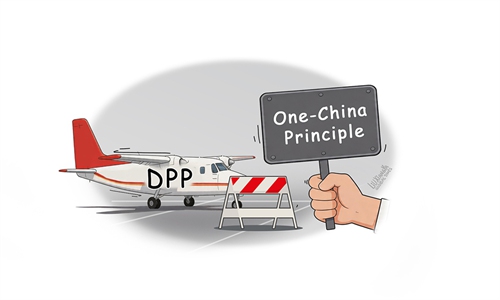
Taiwan region's space for external activities has never been obtained by challenging the one-China principle. It can only be expanded on the basis of acknowledging that principle and properly handling cross-Straits relations.
China and the US are nuclear powers. What it means to advocate "military strikes on Chinese data centers" needs no elaboration.
If I were introducing China to Egyptians today, I would say: Don't look only at the economic numbers. Try to understand the civilization, the culture, and the thinking behind them. And to my Chinese friends, I would say: Egypt is also much more than its ancient history. It is a living civilization seeking modernization while preserving its identity.
On matters of principle, there is no room for the slightest ambiguity - no concept of "close enough," and certainly no "playing on the edge."
Factory floors are no longer a "no entry" zone for outsiders; they are becoming a popular destination where Chinese and foreign visitors alike are eager to check in.
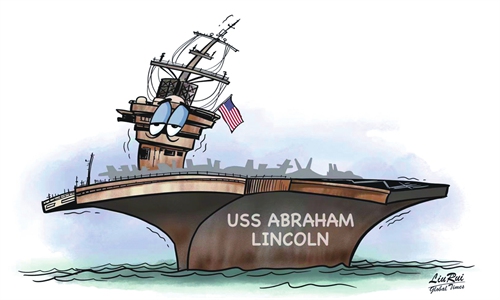
The rust may be on the hull of the aircraft carrier, but it reflects the deeper predicament of an American hegemony stretched too far.
Certain foreign media outlets run smear campaigns and spread speculation about post-mudslide relief work at the China-Nepal border.
Do not let political manipulation by "Taiwan independence" forces wreck the Biennale's name - and do not indulge these clowns at the expense of China-South Korea friendship.
Facing widespread opposition within the EU to its rigid tariff approach, from figures such as Slovakian PM and Siemens CEO, Brussels should set aside ideological rigidity and listen to the genuine concerns of public opinion and industries.
A Pakistani senator called the SCO an important institutional and political voice of the Global South. That is the real story of Bishkek summit.
Healthy aging starts with preventing chronic diseases – not with more hospital beds after people can no longer walk. The shift that matters is to prevent more illness before it takes hold.
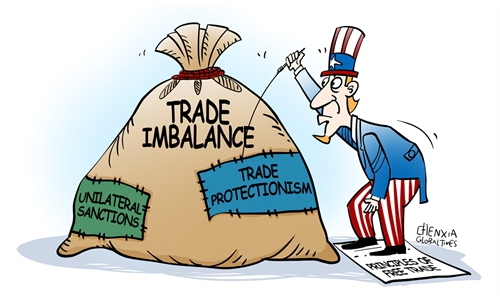
Rebalancing, yes. Weaponized tariffs, no. The US cannot monopolize the narrative on trade imbalances.
The Philippines unilaterally brought Batan Islands under its jurisdiction; such an act lacks a basis in international law and has no legal effect.
China is bringing at least three forms of "certainty" to the world: certainty for peace, certainty for cooperation and certainty for progress.
The island of Taiwan is realizing that the China-US competition will continue, but competition does not mean the US will assume unlimited risks on Taiwan's behalf.
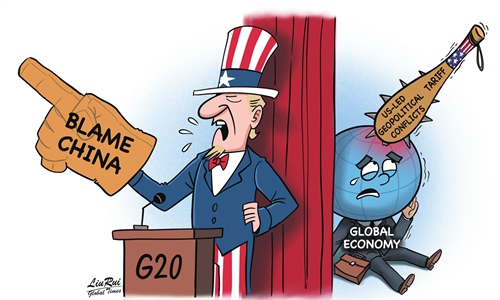
The US once again turned what should have been a multilateral platform for addressing real global economic problems into a one-man show.
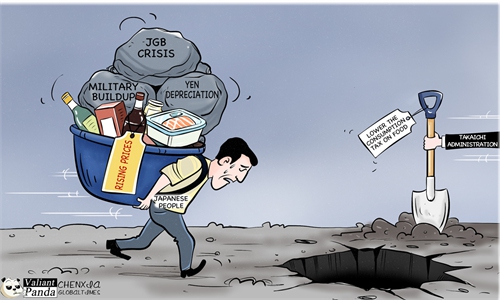
How the Takaichi administration puts burden on its people
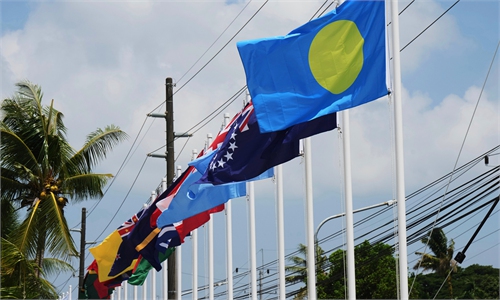
The absences of multiple regional leaders from this year's PIF Leaders Meeting in Palau reflect the increasingly pronounced diplomatic autonomy of some Pacific Island Countries.
Western headlines say China wants to “dominate the seas.” The name of China's training ship says something else: Reach is not conquest.
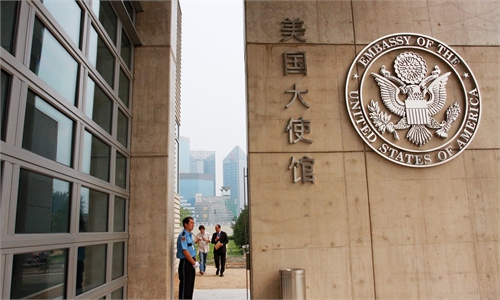
If the US Embassy in China is genuinely concerned about the search and rescue progress, it should closely follow Chinese television, newspapers and online media, where the latest developments are released to the public as soon as they become available.
"We have high expectations for further developing the ties between Cairo and Beijing."
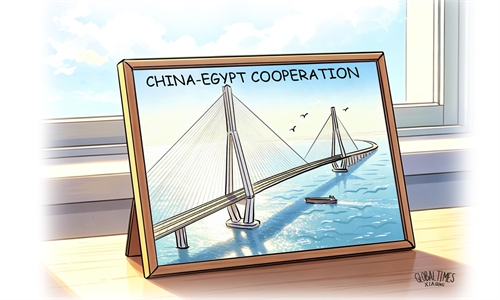
China-Egypt relations are being written anew in the present.
With the visit of the Chinese president to Egypt, the shared desire to build on what has already been achieved and open new horizons for cooperation in industry, technology, energy, artificial intelligence and investment becomes even clearer.
President Xi's visit is set to further deepen the two nations' 70-year friendship into a dynamic partnership that brings concrete progress and shared prosperity to both peoples.
From the ancient Silk Road to the high-quality joint construction of the Belt and Road, exchanges between the ancient civilizations of China and Egypt have continued for thousands of years, enduring and renewing themselves with the passage of time.
Regardless of whether it was a mere slip-up, Real Madrid should delete the erroneous post and issue an apology to the Chinese public.
SCO's contributions are seen as vital for shaping the multipolar world order.
With the China-Kyrgyzstan-Uzbekistan railway as an example, a new pattern of connectivity is taking shape at a faster pace.
The flagship project of mutual benefit is the China-Kyrgyzstan-Uzbekistan Railway. This is a “road to prosperity” that will unlock significant economic potential for Kyrgyzstan and the broader region.
Is the Chinese market no longer the "dream destination" for US companies? Quite the opposite - its appeal has only grown.
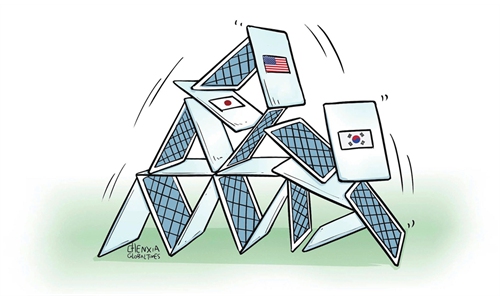
The so-called security "Plan B" pushed by Japan toward South Korea is merely repackaged militarist ambition for Japan and quasi-alliance consolidation for the US-Japan-South Korea axis.
The China-Egypt partnership is not just a success story for the two countries – it is a template for what South-South cooperation can achieve in an era of fragmentation and uncertainty.
Ultimately, it is merely an attempt by certain forces in Japan to leverage the Taiwan question to expand their own security and political roles, while the Taiwan authorities try to use external support to bolster their stance.
A nation that respects science will inevitably possess sustained momentum for innovation and a stable foundation for development.
The Bishkek summit sends a clear message: The center of international gravity is gradually shifting eastward. The SCO will not overturn the global order overnight, but it is steadily becoming one of the platforms where the rules of the new international balance of power will be forged.
Together, the two articles bear witness to a brutal reality - Hegemony triggers political "avalanches," just as a loss of reverence amplifies natural ones.
Guided systematically by the GGI, the SCO has continued to exert efforts across governance in three major areas - security, economy as well as livelihood and culture - making outstanding contributions to regional stability and prosperity and the improvement of global governance.
It signals the decline of a development narrative centered exclusively on the West.
Grassroots health cooperation has already become a formal and stable part of the SCO agenda.
Whenever something goes wrong, China must be to blame. This eagerness to cast blame and pass judgment is nothing short of pathetic.
“China-Africa cooperation should embrace diverse development pathways. We ought to explore new style cooperation models for the Global South to advance the coordinated development of modernization and human rights.”
Tragedies test the integrity of every information system that claims to serve the public. On the evidence of the mudslide in Nepal, some Western coverage failed that test.
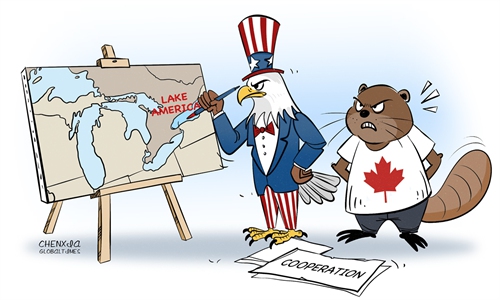
Google Maps' change of the name ''Lake Ontario'' to Lake America might be a small edit on a map, but it's still a hard note to an ally.
Following the rapid track of SCO development, the train of China-Kyrgyzstan friendship is bound to head toward an even more glorious "golden period."
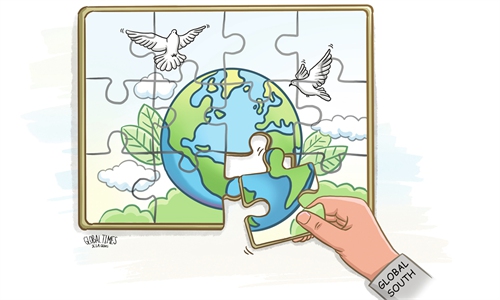
It is a shared human risk. The Earth is not a pile of separate pieces; it is one linked whole.
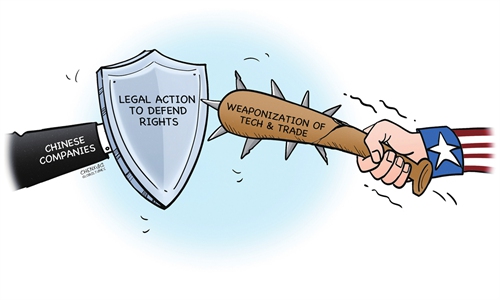
Chinese companies are gradually learning to use US own legal system to contest the US government. Building this capability may matter more than the outcome of any single case.
The forthcoming Bishkek summit takes stock of the first 25 years of the SCO existence and paves the way to the next 25-year chapter.
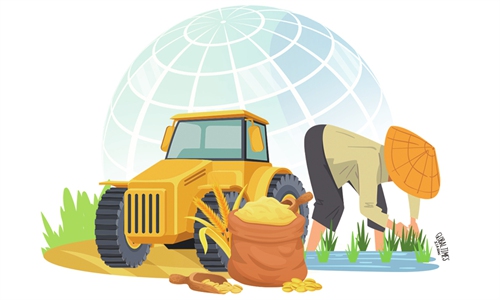
For China, food is of paramount importance to the people. Fewer political labels. More irrigation, storage, seeds, and training – this is food security the world actually needs.
The US and Venezuela have reached a "historic" oil deal. But at what cost?
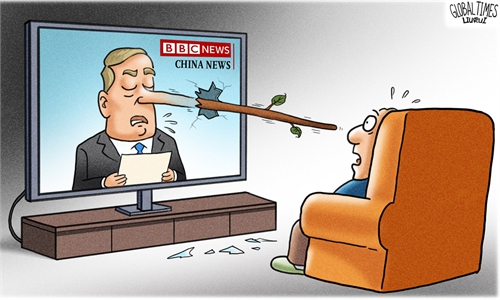
BBC, feel free to keep this new nickname, "BBC impartial." At moments of life and death, nobody needs you to manufacture "secondary disasters" with your keyboard.
China's new industrial era is not only defined by the magnitude of Chinese-manufactured products in use across Africa's farms, schools, roads, hospitals and households, but also by the deliberate effort to build Africa's capacity toward local manufacturing.
What the disaster-stricken areas need is relief, not rumors; what the victims need is respect, not exploitation. At a time like this, the most despicable are those demons hiding behind their screens, feasting on “buns dipped in human blood.”
A truly competitive EU should win markets by improving efficiency and innovation, rather than continually raising barriers just to prove that it still has “instruments” at its disposal.
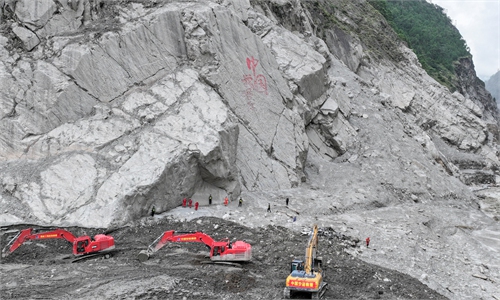
The Gyirong mudslide serves as a warning not only because of its severity, but also because it exposes shortcomings in international cooperation on disaster governance. In the face of major natural disasters, no one can stand alone, and no one can respond to all challenges by themselves. Only through mutual assistance, coordination, and shared responsibility can more lives be saved.
On Taiwan question, Kiribati sets an example for Palau. As more countries recognize the fallacy of “Taiwan independence” and uphold the correct one-China approach, the space for separatist activity will continue to shrink. The ultimate collapse of Taiwan authorities' “checkbook diplomacy” is inevitable, and the bright future of China's complete reunification will surely arrive as scheduled.
Recently, a severe mudslide struck the Gyirong border port between China and Nepal. However, some “Taiwan independence” separatist forces have turned the natural disaster into a tool for political manipulation, exploiting the tragedy to advance divisive agendas and shamelessly “profiting from human suffering.”
China and Switzerland concluded negotiations on the enhancement of their Free Trade Agreement recently. Just as some governments around the world are discussing how to mitigate risks and shield domestic industries, the two countries have chosen a different path: further lower trade barriers, expand market access and make a clear case for openness, cooperation and free trade. This choice is worth pausing over.
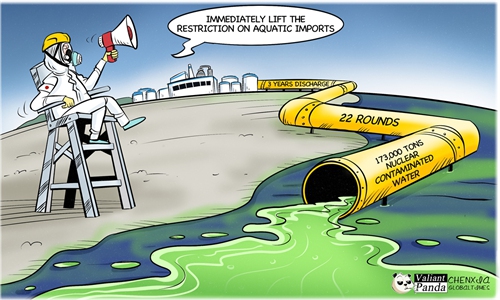
Japan has discharged nuclear-contaminated water for three years, while calling for others' immediate lifting of restrictions on food imports from Japan.
Cybersecurity is a global issue. Instead of repeatedly putting on a “thief crying 'thief'” act, the US should first put its own cyber activities in order.
We respect nature because mountains and rivers must never be taken lightly.
As the trade war between the US and Canada escalates, some US media outlets are already rushing to turn their sights on China.
The fact that a US tech giant is paying a Chinese company that Washington has placed on its "Entity List" to license the latter's technology alone is enough to render the clamorous "decoupling" rhetoric within the US utterly hollow.
Chinese people are no longer afraid of robots making fools of themselves. Not because they're perfect – because we understand how tech actually grows.
Signed on August 30, 1951, the US-Philippines Mutual Defense Treaty will mark its 75th anniversary later this month. In recent years, the administration of Philippine President Ferdinand Marcos Jr has, under the banner of "military modernization," continuously expanded military cooperation with the US through a series of bilateral defense agreements centered on the treaty.
Zimbabwean Minister calls for stronger China-Africa media cooperation to put Africa's development, innovation and achievements in the spotlight.
ome Western countries approach human rights in a narrow, one-dimensional way. They prioritize individual political rights at the cost of collective rights and the right to development. Development should not be a privilege reserved for a small number of countries and elites.
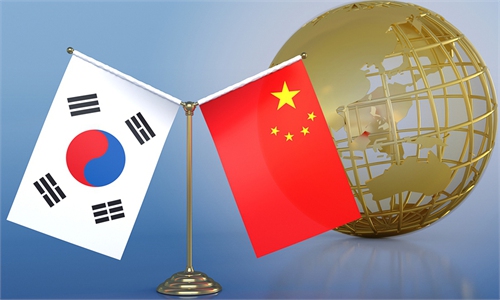
The year 2026 marks the 34th anniversary of the establishment of diplomatic relations between China and South Korea. Over the past three decades and more, the two countries have steadily cultivated a path of good-neighborly friendship and mutually beneficial cooperation.
US military power is penetrating ever deeper into the Philippines' economic sphere, and US intelligence agencies make no secret of viewing the country as a forward node in the US' strategic competition with China.
For Taiwan to escape this "low-IQ cycle," it does not need more restrictions, but greater openness, exchange and a return to reality. Visit Beijing and you will know whether people have refrigerators. Come and visit Shanghai, Shenzhen, Hangzhou, Chongqing, and Chengdu to see the real lives of ordinary people on the mainland.
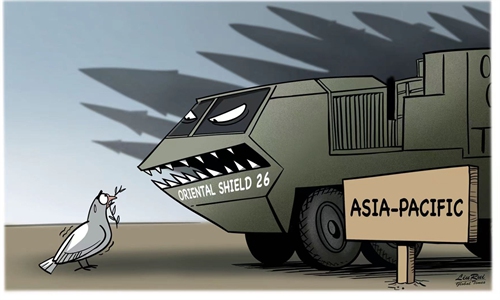
The so-called "Oriental Shield 26," a Japan-US-Australia joint military exercise, serves as a textbook case of how large-scale bloc-style military drills are being rebranded as "cooperation," while injecting confrontation, forward-deployed firepower, and bloc politics into an already fragile Asia-Pacific security environment.
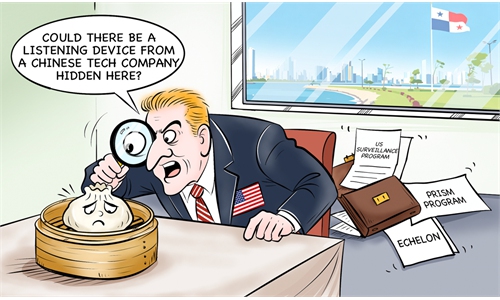
Chinese Embassy in Panama mocks US smears against Chinese tech firms, saying that some even suspect a listening device in a shaomai dumpling
It is obvious that the upcoming BRICS Summit in New Delhi, India, serves as a sharp strategic wake-up call to the West. Over the past 25 years, perceptions of the Western elites regarding BRICS have been plagued by deep-seated cognitive misalignments.
From here on, every dialogue and every round of talks between China and India will be redefined within a new, more enduring strategic environment.
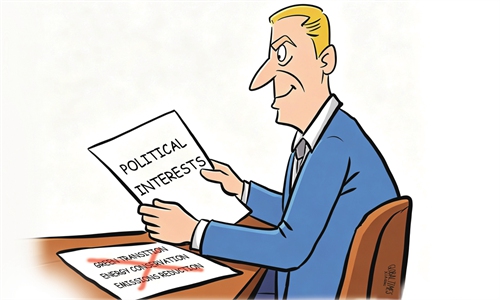
The challenge facing the global green transition is that Western countries are once again prioritizing their own self-interests. When climate considerations, economic calculations and political interests are all placed on the desks of Western leaders, their choices tend to be driven by calculations of their own political gains and losses.
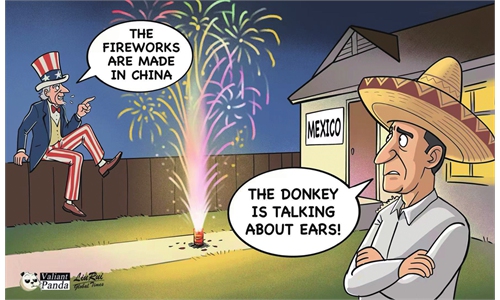
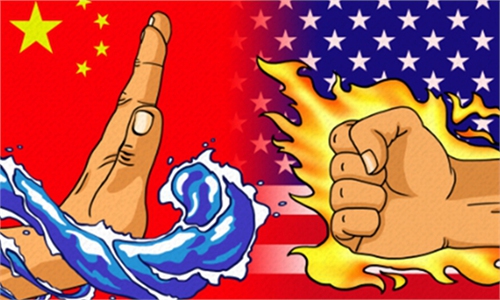
Rather than using sensational metaphors such as "Trojan horse" or "fire horse" to inflame tensions, the US should adopt a more rational approach to the economic relationship between the two countries.
A Chinese student went missing in South Korea and was later found dead. The news hits hard. The recurring tragedies of Chinese citizens encountering danger or death overseas once again underscore the necessity of strengthening safety safeguards.
Canada is set to fight back the US by announcing retaliatory tariffs.
Liao Mei-ran, a "fortune teller" on the island of Taiwan, recently made the absurd claim that "people in Beijing don't have refrigerators" on a pro-independence political talk show.
The development of China-US relations has reached a point where, on the surface, the contradictions stem from clashes of interests, competition for relative strength, and differences in values. But at a deeper level, and perhaps more dangerously, one of the key problems is that the two sides suffer from serious misperceptions