Hopefully, New Zealand will carefully weigh its own weight, refrain from actions that are neither graceful nor wise, and stop acting out until it is rebuffed by the Chinese side.
By Global Times | 2026/9/21 23:53:39
China's fair word at the UN is not complicated.

The Pinglu Canal connects the Xijiang River – a part of the Pearl River basin – with the Beibu Gulf. It is a great modern canal project linking rivers and seas. The opening of the Pinglu Canal will not only significantly reduce logistics costs, but also promote the economic development of neighboring countries, providing a strong boost to the vigorous economic and trade exchanges between China and ASEAN.
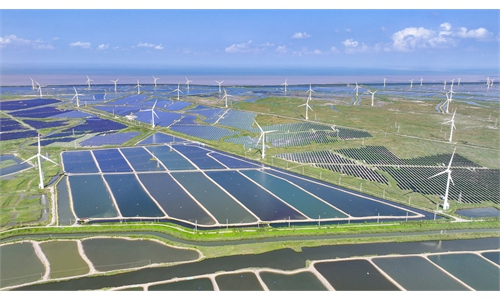
The world has China's "energy strategy to thank" for avoiding a "much worse" oil price shock.

In the fall semester of 2026, the British literary classic Jane Eyre was included in the ninth-grade Chinese language curriculum as part of the “whole-book reading” list.
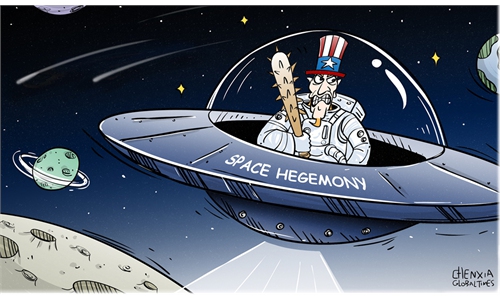
The old script of bloc‑confrontation on Earth is being replicated by the US in cislunar space.
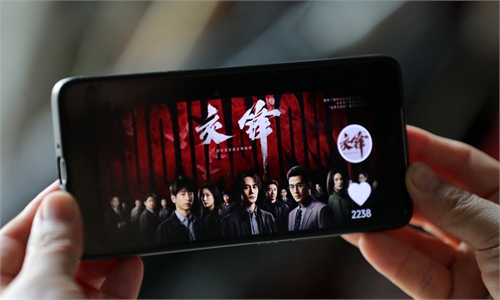
The widespread popularity of Jiaofeng is an innovative breakthrough in the spy genre and a profound lesson in patriotism and national identity.

When athletes cannot even find a bed long enough to stretch out their legs, Japan has fallen short of basic decency.

HYROX should issue a formal statement on its official account that does not shirk responsibility and conveys a genuine sense of remorse.
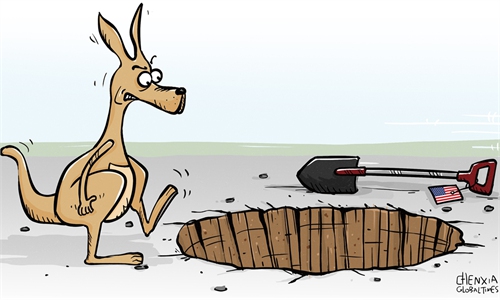
Is Australia strengthening its independent defense, or placing itself more firmly on the front line of the US' strategy toward China?
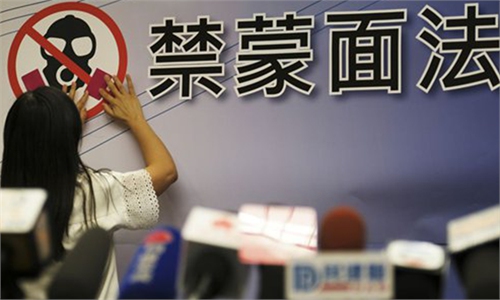
The same ban – “madness” in Hong Kong, but a measure to “maintain order” in London.
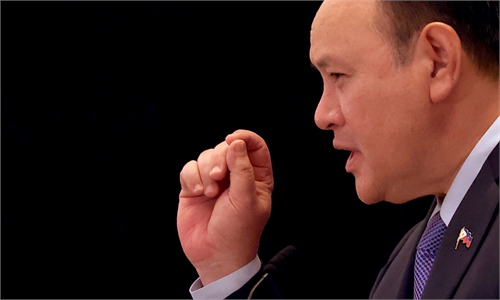
"I'm not an actor, so I don't know theatrics" Philippine Defense Secretary Gilberto Teodoro Jr. said, in what may already be one of the most theatrical lines ever delivered by a man insisting he does not perform. The irony is almost complete: the harder one tries to look un-staged, the more one appears to be holding an invisible script. In Teodoro's case, the stage never seems to close.
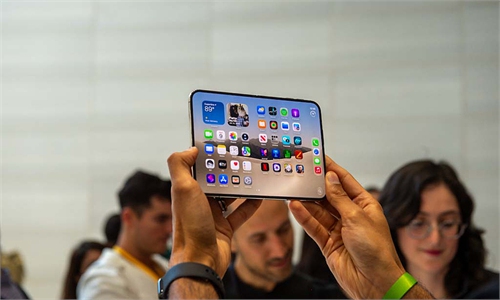
We welcome Apple's entry into China's foldable market. But whether the iPhone Duo is truly "worth it" is for consumers to decide.
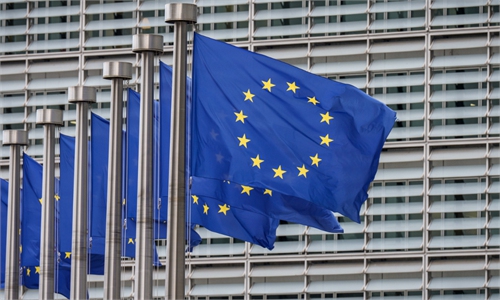
Policies can create orders, but they cannot create competitiveness. The real question is whether European companies can win orders on the basis of price, technology and quality. Is the EU's public procurement proposal to “counter” China protecting European industries or just an illusion of European competitiveness?
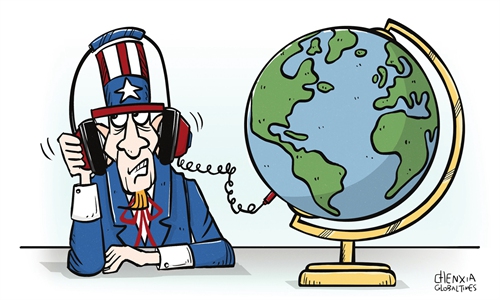
For decades, US intelligence agencies, like CIA, have used broad surveillance and infiltration tactics against allies with little resistance, and have likely grown used to getting away with it. But trying to apply the same logic wholesale to #China would be overestimating their own capabilities – and choosing the wrong target.
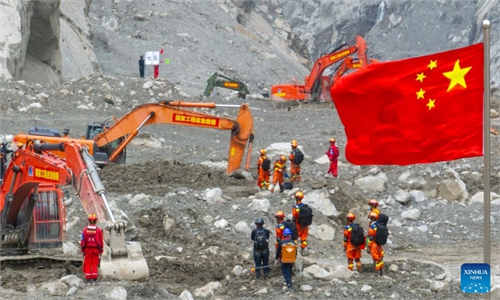
Why did a hot meal for Chinese rescuers strike a raw nerve among some Japanese netizens? There is a possibility that cannot be ruled out: The outcry from some Japanese netizens may reflect a form of emotional overreaction, or simply serve as a channel for expressing dissatisfaction with their own country's disaster response.
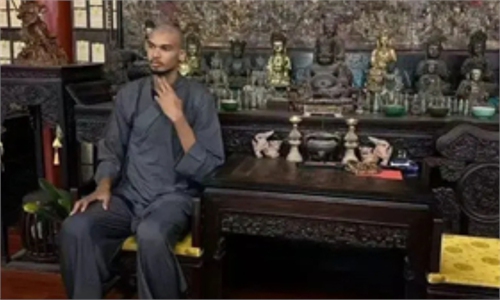
In recent days, NBA player Dillon Brooks' visit to China's Wudang Mountains in Central China's Hubei Province to learn martial arts has once again sparked a wave of interest in kung fu on overseas social media.
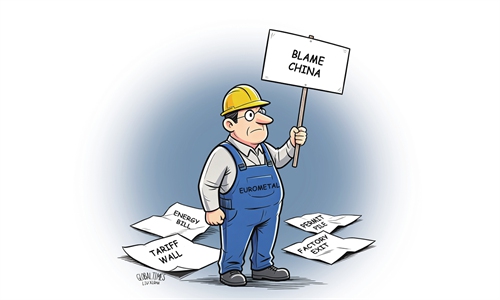
"Colonization" is a heavy word. It belongs in Europe's own history books, not China-Europe trade. China doesn't run on that script.
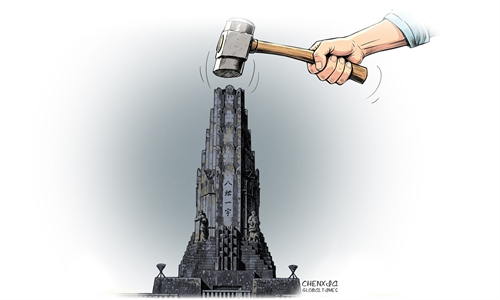
The chrysanthemum crest carved into the stone of a monument recently unveiled in Russia is a hallmark of the #Japanese militarism that committed monstrous crimes back then. The fact that Tokyo views militarist Japan with "sentimental attachment" demonstrates just how pressing a real-world threat neo-militarism has become.
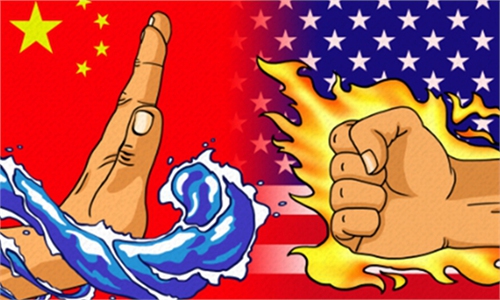
China and the US are nuclear powers. What it means to advocate "military strikes on Chinese data centers" needs no elaboration.

The rust may be on the hull of the aircraft carrier, but it reflects the deeper predicament of an American hegemony stretched too far.

Do not let political manipulation by "Taiwan independence" forces wreck the Biennale's name - and do not indulge these clowns at the expense of China-South Korea friendship.
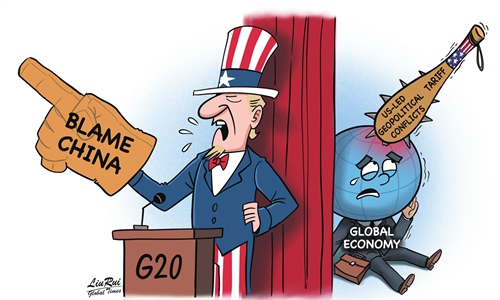
The US once again turned what should have been a multilateral platform for addressing real global economic problems into a one-man show.
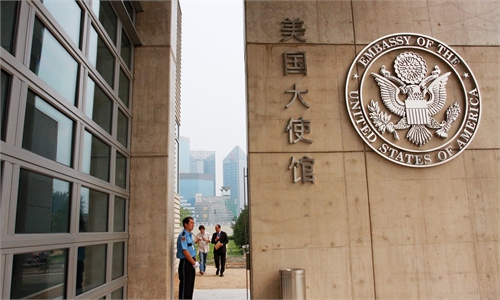
If the US Embassy in China is genuinely concerned about the search and rescue progress, it should closely follow Chinese television, newspapers and online media, where the latest developments are released to the public as soon as they become available.
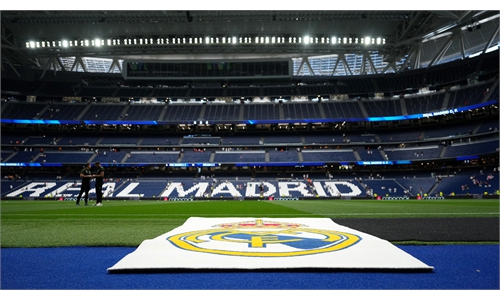
Regardless of whether it was a mere slip-up, Real Madrid should delete the erroneous post and issue an apology to the Chinese public.
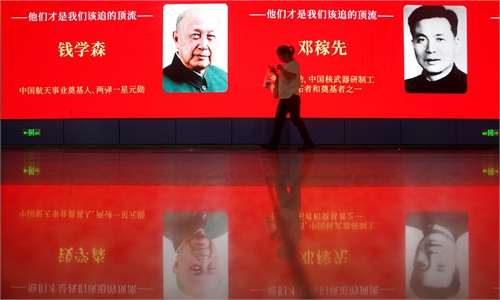
A nation that respects science will inevitably possess sustained momentum for innovation and a stable foundation for development.
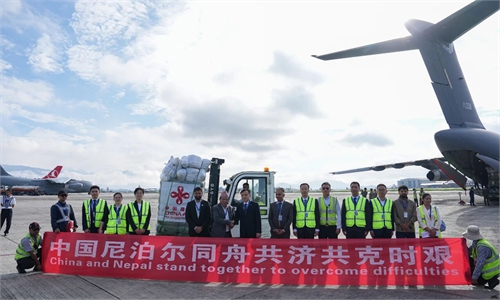
Whenever something goes wrong, China must be to blame. This eagerness to cast blame and pass judgment is nothing short of pathetic.
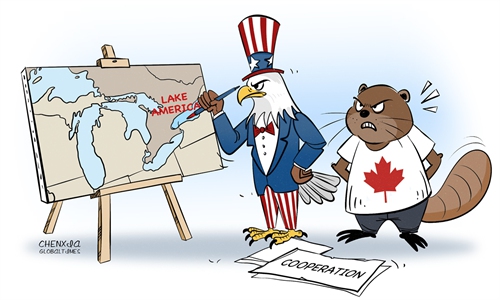
Google Maps' change of the name ''Lake Ontario'' to Lake America might be a small edit on a map, but it's still a hard note to an ally.
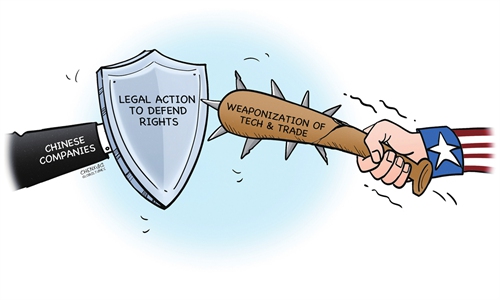
Chinese companies are gradually learning to use US own legal system to contest the US government. Building this capability may matter more than the outcome of any single case.
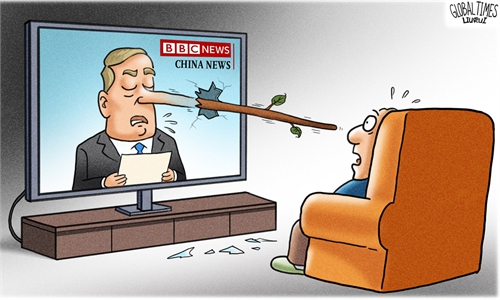
BBC, feel free to keep this new nickname, "BBC impartial." At moments of life and death, nobody needs you to manufacture "secondary disasters" with your keyboard.
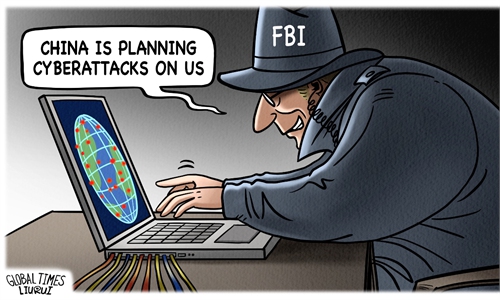
Cybersecurity is a global issue. Instead of repeatedly putting on a “thief crying 'thief'” act, the US should first put its own cyber activities in order.
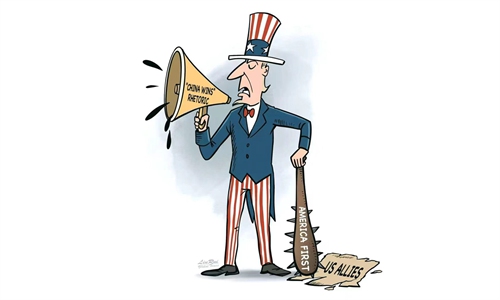
As the trade war between the US and Canada escalates, some US media outlets are already rushing to turn their sights on China.
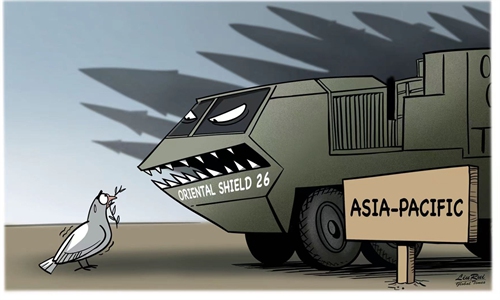
The so-called "Oriental Shield 26," a Japan-US-Australia joint military exercise, serves as a textbook case of how large-scale bloc-style military drills are being rebranded as "cooperation," while injecting confrontation, forward-deployed firepower, and bloc politics into an already fragile Asia-Pacific security environment.
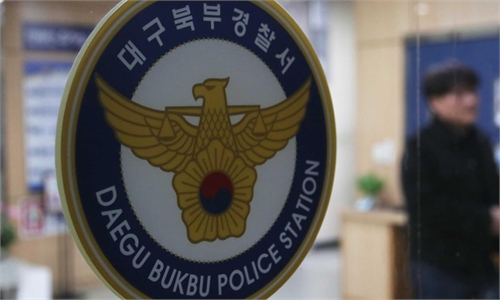
A Chinese student went missing in South Korea and was later found dead. The news hits hard. The recurring tragedies of Chinese citizens encountering danger or death overseas once again underscore the necessity of strengthening safety safeguards.
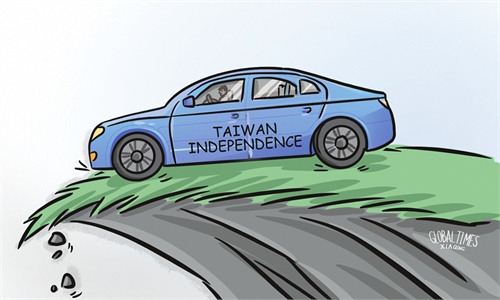
Liao Mei-ran, a "fortune teller" on the island of Taiwan, recently made the absurd claim that "people in Beijing don't have refrigerators" on a pro-independence political talk show.

According to Dutch media reports, Washington is preparing to force the Netherlands to ban the lithography giant ASML from exporting almost any chip-making machines to China.
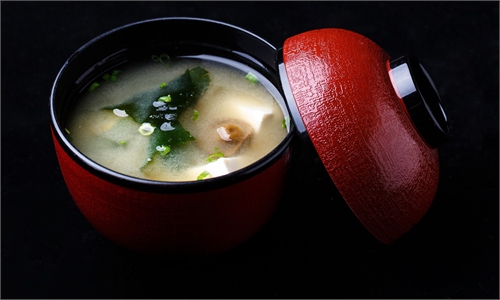
Nagatanien, a well-known Japanese food brand, was recently found to have its miso soup products actually produced in China.
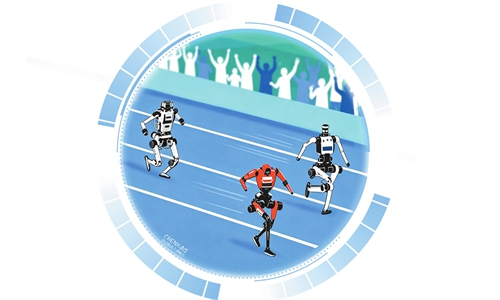
The value of China's recent robotics events lies less in a single headline-grabbing performance than in the industrial system behind it.

The story of Sakolsky and Yin is also a mirror. If two ordinary people who were complete strangers could cooperate to plant 50,000 trees, then the value that more people and broader cooperation can create is immeasurable.
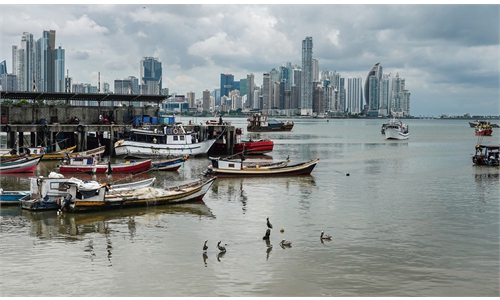
The heavy price Panama is paying has bought it little more than the role of counting money for others.
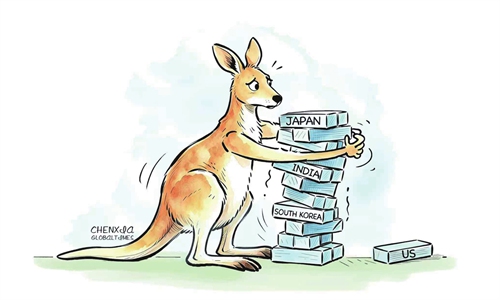
Australia's new ambassador to Japan Andrew Shearer seems to have taken on a job far bigger than managing ties with Tokyo: he is busy pitching a new "Indo-Pacific" network to counter China.

China's three consecutive months of $100 billion-plus trade surplus is mainly attributable to a combination of rising export values and falling import costs.
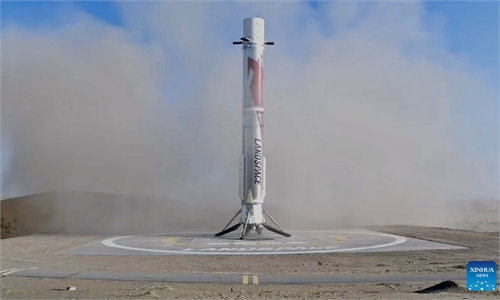
Once, countless people looked on with envy as SpaceX's Falcon 9 repeatedly achieved successful recoveries. Today, we can finally say: The Chinese made it.
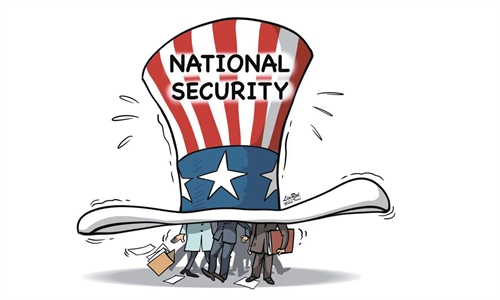
The more Washington tries to secure its technological edge through isolation, the more it risks undermining its competitiveness.
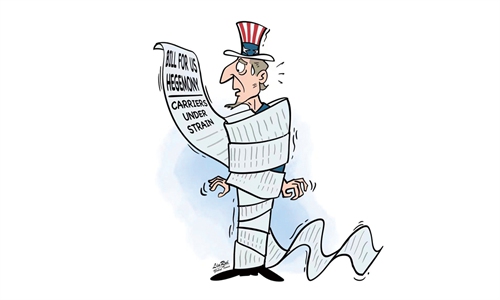
Washington just pulled its last carrier out of Asia to cover the Middle East. Overstretch isn't a theory anymore – the bill is here.

Teodoro must answer a fundamental question: Is he the Defense Secretary of the Philippines, or a "vanguard" of anti-China forces?
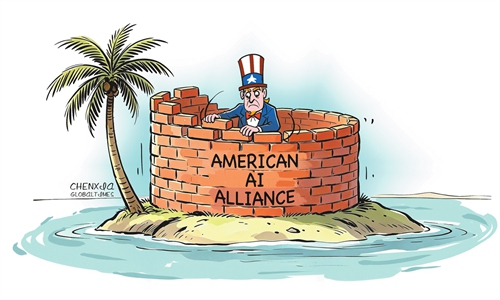
When the ice of zero-sum thinking shatters under the sunlight of reality, humanity will inevitably return to a simple yet solid starting point: On this new, fateful voyage of AI, only through co-opetition and symbiosis can we move steadily and far.
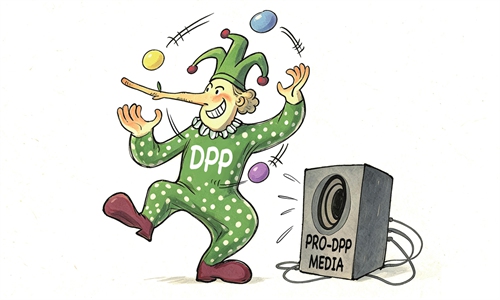
Today, the DPP's biggest problem is that it has grown accustomed to relying on "red-baiting" to sustain itself in every election, turning to rumor-mongering to deflect pressure, and casting itself as a "victim" whenever challenged.

The latest lifting of restrictions on TikTok at the US federal government level marks another step toward normalized operations for the company, while simultaneously signaling that the world of the likes of Gordon Chang has once again collapsed.
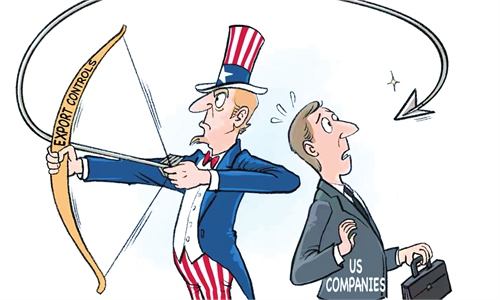
What if these export controls end up harming the very interests they claim to "protect"?
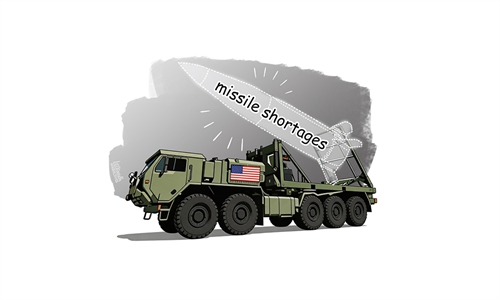
Six months in, and it is not Iran's will that is running out. It is US missiles.
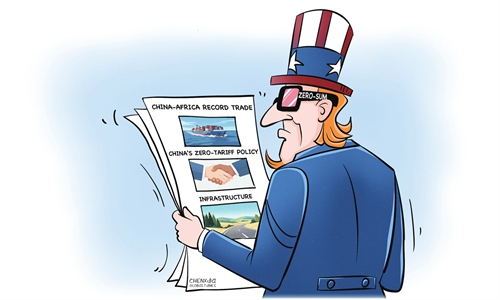
US paranoid 'China shock' narrative ignores Africa's own growth agenda. If the US' Africa strategy is merely about trying to outcompete China for the sake of preserving American primacy, it will remain trapped in an anxious, reactive posture.
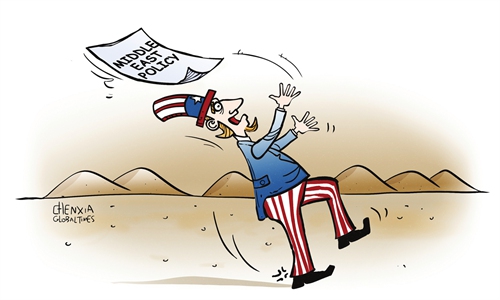
On Friday in the holy city of Mecca, Saudi Arabia, Pakistan and Turkey signed a major deal that is already shaking up global public opinion.
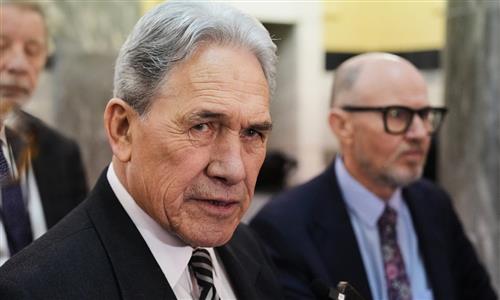
NewZealand Foreign Minister Winston Peters got a slap in the face as Pacific Island nations did not reach consensus on issuing a statement criticizing China's missile test launch
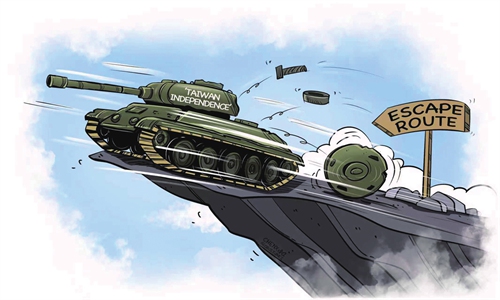
For all their loud talk about “fighting to the last man,” the DPP's actions betray them as they diligently rehearse their escape routes during the "HanKuang" military exercises on Taiwan island. This proves that the DPP authorities know better than anyone else: pursuing "Taiwan independence" is a dead end.
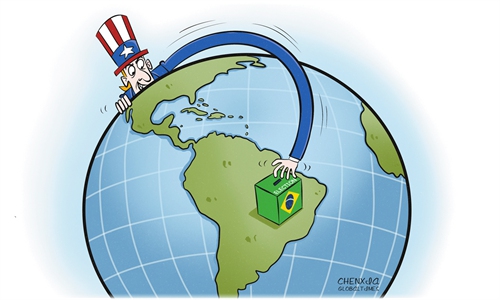
The US was the first country to recognize #Brazil's independence in 1822. More than 200 years later, Washington appears to still have not fully understood what it means to “recognize” a country's “independence.” The US needs to recognize that the world has changed. GlobalSouth countries now possess an updated and diverse toolkit to safeguard their autonomy against US' hegemonic coercion.
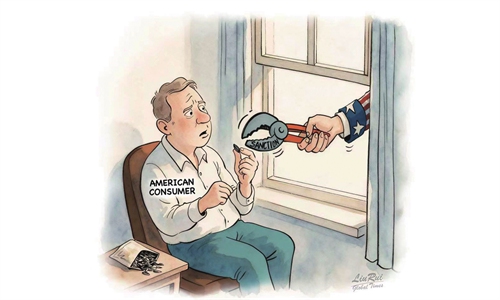
Guilty of eating sunflower seeds? The US sanctions on Chacha Food over alleged “forced labor” in China's Xinjiang exposes the absurdity of Washington's crackdown move. When the sanctions hammer falls on a humble sunflower seed, it reveals not strength, but the growing desperation behind Washington's China containment strategy.
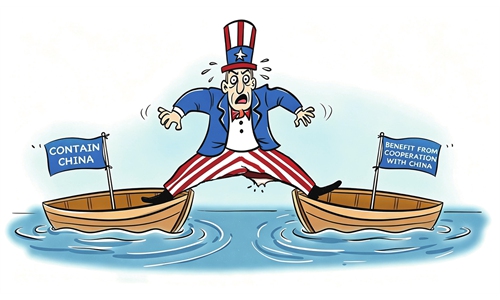
In the US, different bureaucratic fiefdoms pursue contradictory policies. Even Silicon Valley itself is fractured. The inevitable internal conflicts within the US China strategy are the root cause of its AI policy dilemma. Until that reckoning occurs, expect more chaos. The only question is: How much longer can Americans pretend that it can be managed away?

An entirely routine business collaboration has been twisted by certain US politicians and media outlets into "evidence" of endorsing so-called “forced labor.”
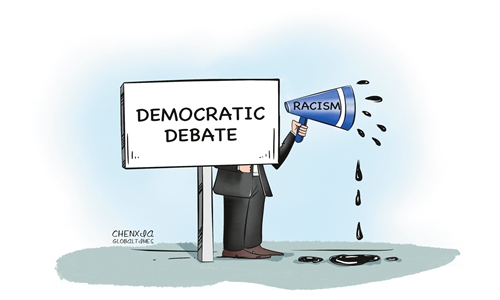
New Zealand foreign minister Winston Peters' recent racist remarks have given the world a glimpse of how concerning the behavior is among certain political figures in a country that prides itself on being "democratic," "diverse," and "inclusive."
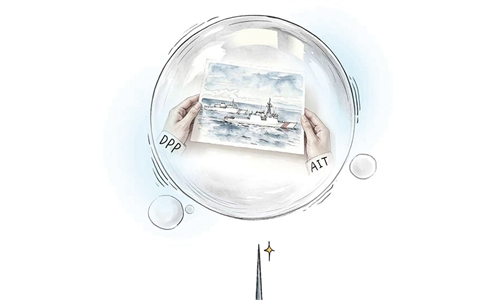
The real issue is not what AIT has done, but what it is becoming - a variable that may disrupt the stability of China-US relations.
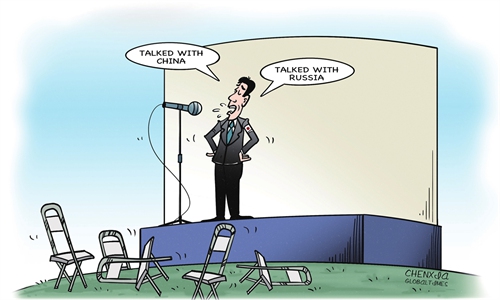
Has Japanese diplomacy really sunk so low that a hallway brush-past and a polite nod now count as "diplomatic dialogue"?
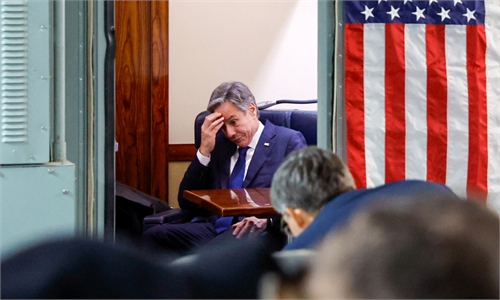
That "ally checklist" Blinken waves around is less a solid bloc and more a leaky sieve.
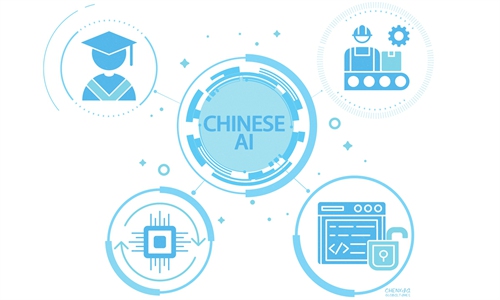
Open weights or closed models? That question now sits at the heart of who controls AI's future.
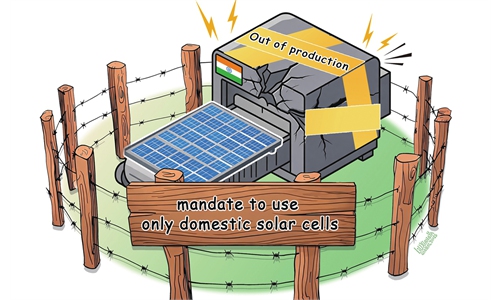
Industrial logic does not yield to political narratives.
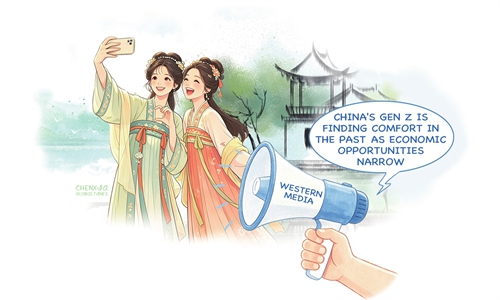
Why are some Western media outlets so eager to pathologize China's Hanfu boom? They force every new development in China onto a self-imposed Procrustean bed of Western narratives, where anything that doesn't fit the familiar doom-and-gloom story about China's economy is stretched, cut, or simply reinterpreted until it does.
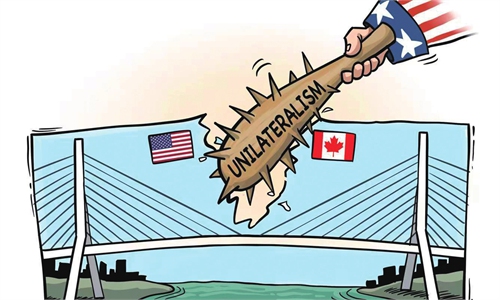
A bridge can be most revealing not when it connects two sides, but when it exposes how far apart they have grown.

It is clear the Philippines is provoking tensions, and turning human lives into political props and ordinary people into pawns in a political theater. We urge the Marcos administration to abandon these reckless and low-grade provocations, genuinely value the safety of its own personnel, and return to the path of dialogue with China.
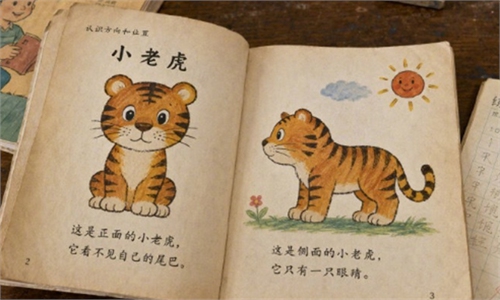
The song Two Tigers itself is not strange; what is strange is the minds of the "Taiwan independence" separatist forces who have become so paranoid that they see a "conspiracy of infiltration" in virtually any cultural content with a mainland connection.
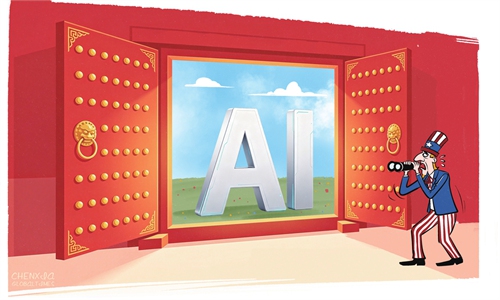
The ultimate question has never changed: Should technology serve all of humanity, or merely a privileged few?China has given its answer.
On July 20, several foreign media outlets reported a clash between Chinese and Philippine personnel near the lagoon of China's Ren'ai Jiao.
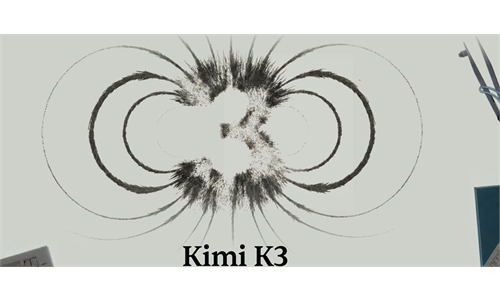
The success of China's large language model Kimi K3 has rattled some people.
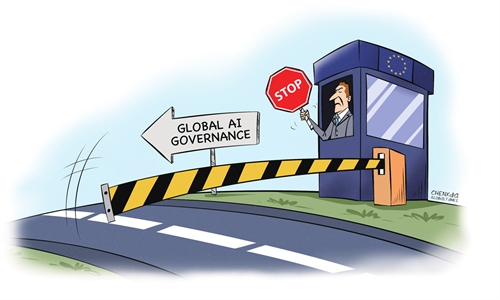
We urge Europe to abandon lecturing and protectionism in favor of genuine dialogue and multilateralism. Otherwise, its "rules" will isolate it.
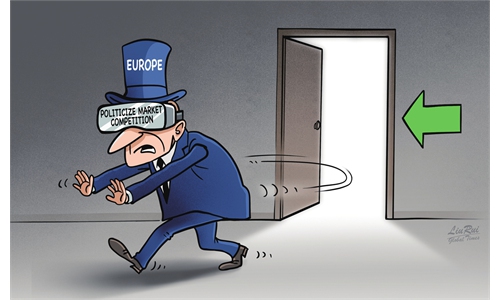
After urging the EU to mirror the Plaza Accord in pressuring Beijing, German Chancellor Friedrich Merz has cooked up another misguided scheme on China. In a recent hardline stance, Merz said that China must either engage in currency talks or free its currency.
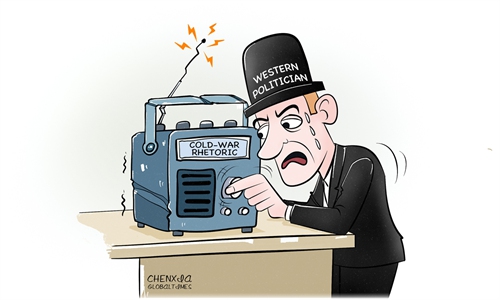
The Cold War lens has become a distorting mirror that reflects only Western anxieties, not regional realities.
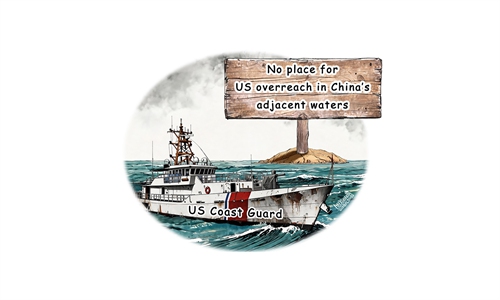
USCG is "pepper-sprinkling" its cutters into China's adjacent waters. Will it unfold as the US wishes?
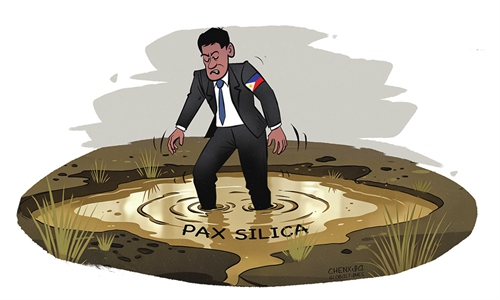
In light of public outcry and the realities of regional cooperation, the Philippine government should recognize that national sovereignty and the well-being of its people must take precedence. It should avoid entrenching itself in an exclusive alliance like PaxSilica.
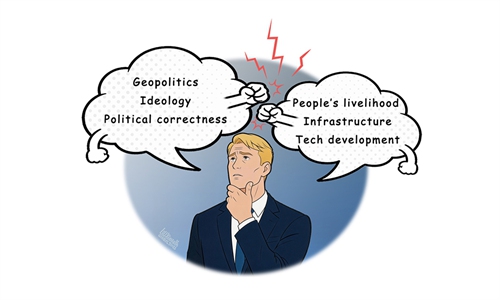
A meme on X has gone vital: China and the US successfully recover rocket, while Europe makes sure its bottle cap never leaves the bottle. The joke stings because it's true – not just in technology, but also in mindset.
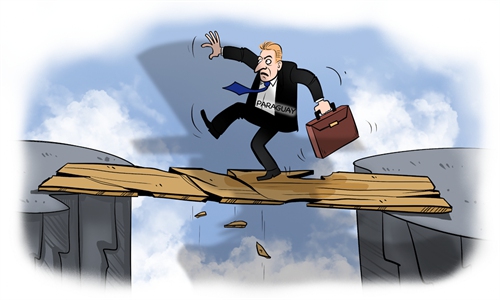
The Chinese Consulate General in Sao Paulo issued a sharp and solemn statement on Saturday. The statement firmly rejected a joint announcement by the Paraguayan Ministry of Information and Communication Technologies and the US Embassy in Paraguay which made baseless accusations against China regarding so-called malicious cyber activities targeting the Paraguayan government.
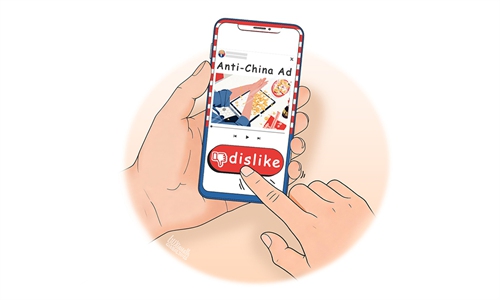
Compared with the cheap political theater of smashing fortune cookies, the real challenge is how to deliver tangible benefits to American voters through practical cooperation with China - a question that some US politicians seem unwilling or unable to answer.
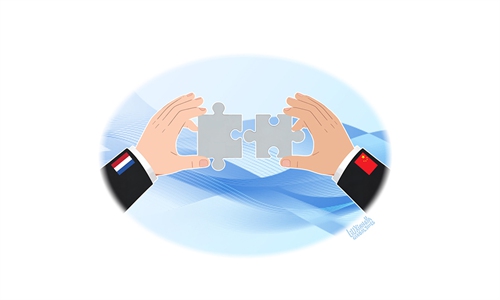
China remains open to any country that truly wishes to engage in cooperation for shared benefits. As for the Netherlands, the appropriate course of action is to match this goodwill with tangible steps.

The US turns 250 and fireworks are lighting up the sky. But American top papers reveal the truth: The champion is staring into the mirror and asking – “Can I still win the next fight?”
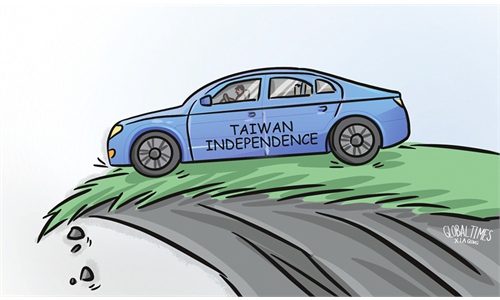
The most alarming thing is not how much influence Greene personally has, but that Taiwan island has increasingly lost the ability to control its own destiny.
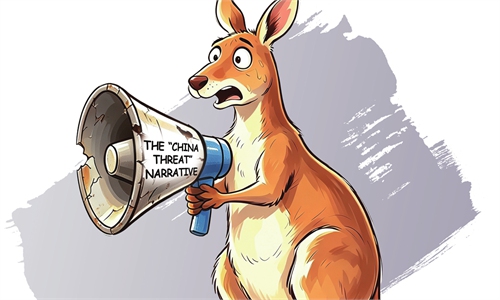
If Canberra's politicians continue to indulge in self-inflicted paranoia, they must realize a simple truth: a bridge requires two sides.
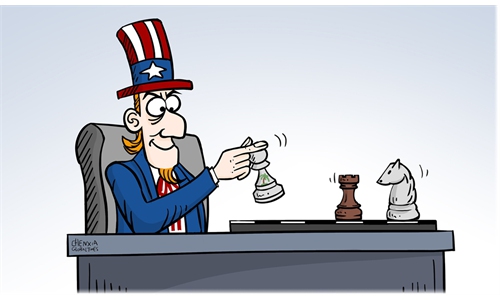
The fact that Washington only rediscovers the importance of the South Pacific region when it feels the chill of “competition with China” speaks volumes about its deep-seated strategic anxiety.
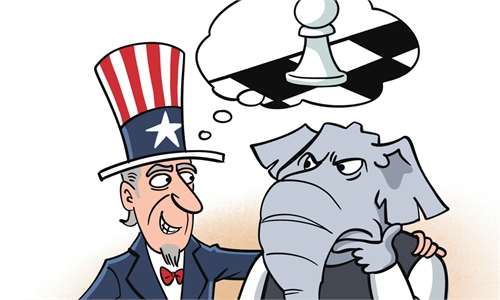
Ultimately, alliances built on "sweet talk" cannot withstand repeated tests of real interests. When promises and actions diverge, trust is inevitably eroded. For India, recalibrating its understanding of the US, moving away from passive dependence, and safeguarding strategic space amid a complex international landscape may well be the only viable path toward genuine independence.

The Ethnic Unity and Progress Promotion Law will further turn institutional and legal strengths into effective governance outcomes. External noise, no matter how loud they become, will never shake China's ethnic unity and progress.
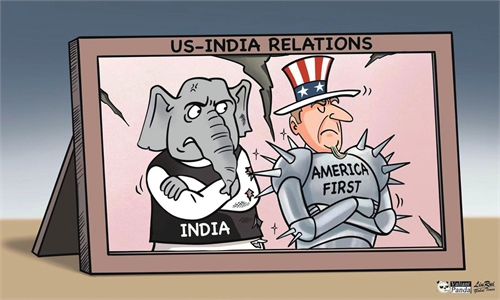
The disappointment expressed by the Indian side highlights the unrealistic expectations that some in New Delhi have always placed on Washington.
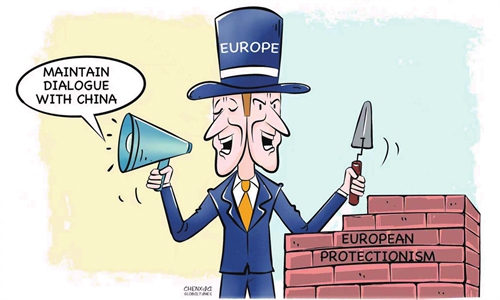
Protectionist measures don't create innovation, they don't solve energy crises, and they won't magically rebuild industries overnight.
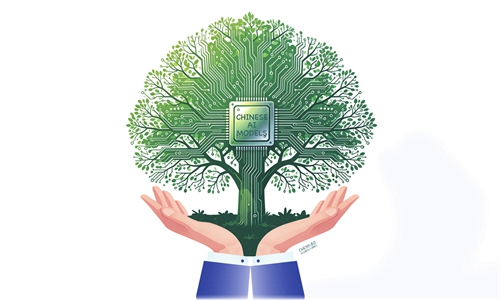
The only question is whether Washington will continue trying to build walls, or start asking what it can learn from a competitor that has figured out how to do more with less.
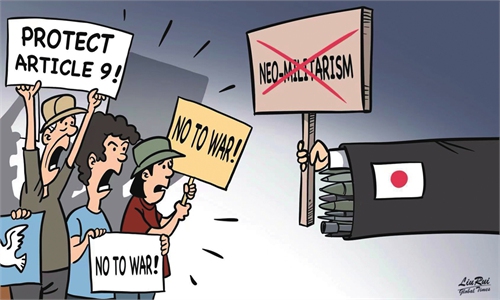
The Japanese government may be able to convince certain ill-intentioned countries, through diplomatic rhetoric and foreign aid, that Japan remains a "peaceful nation," but it is finding it increasingly difficult to persuade its own citizens - those who live closest to the military frontlines and know the dangers of war firsthand.
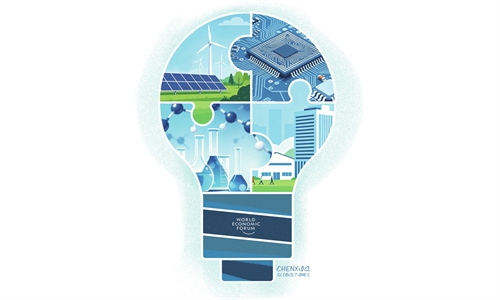
Since Tuesday, the northeastern Chinese coastal city of Dalian has once again entered "Davos Time."
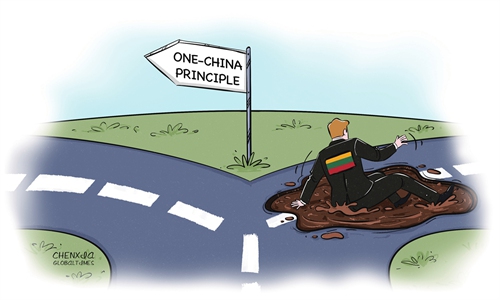
Only when Vilnius musters the political courage to enact this thorough correction, free from the shackles of domestic political theater and foreign lobbying, can bilateral relations return to a healthy track.
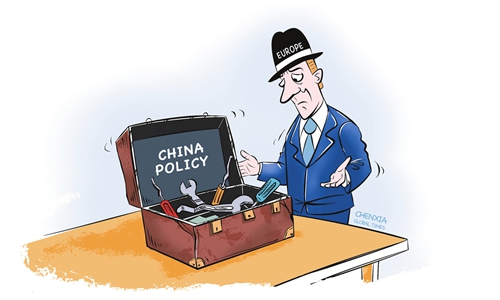
The end of a 30-year illusion is never comfortable. But acknowledging it today remains considerably less costly than being forced to acknowledge it tomorrow.
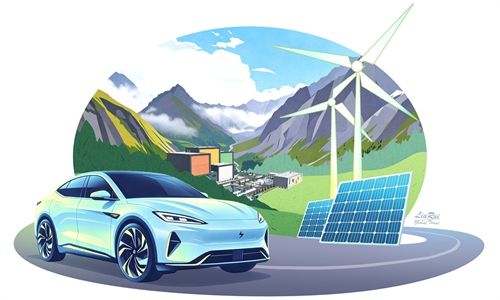
From the Zhanatas wind power plant in Kazakhstan to the pump station cluster project in Uzbekistan's Fergana and Andijan regions, cooperation between China and its Central Asian neighbors is weaving isolated green initiatives into a highly integrated regional ecological network. A green transformation is stretching from the foot of the Tianshan to the broader region, having only just shifted into "drive."

Unlike relations between countries that are often driven by calculated interests or political positioning, there is something deeper behind the China-Greece relationship. It combines tangible mutual benefits, heartfelt support in crises, and profound appreciation between two ancient civilizations.
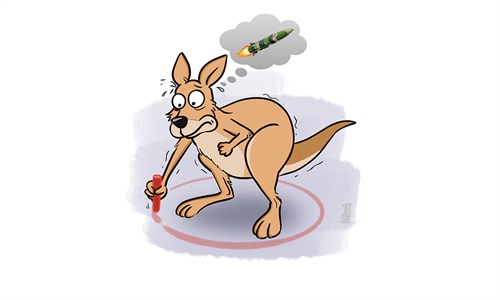
Some Australian observers appear to have fallen back into a familiar pattern of self-generated security anxiety.
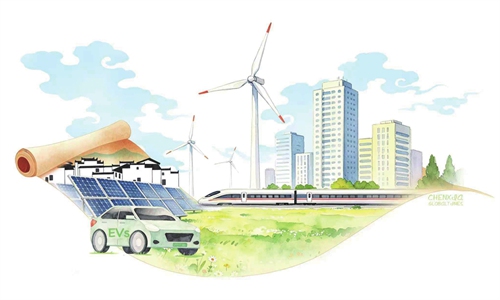
China's governance is not perfect, nor is it a fixed, frozen blueprint. Rather, its strength lies in its evolutionary, “experimentalist” nature.
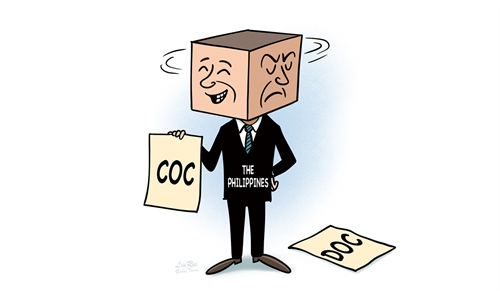
If the Philippines cannot honor its signature on a foundational document it has pledged to uphold for over two decades, its public displays of "earnest effort" for the COC talks lose all credibility.

A truly great power does not hide behind walls; it opens its doors. Are you ready to come?
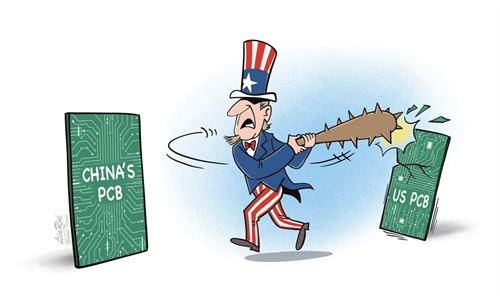
The US starts fearing Chinese-made PCBs? When a country begins to view another country's every progress as a threat, it reveals less about its strength than about its growing insecurity. The real problem isn't Chinese PCBs — it's a superpower afraid of fair competition.