Foreign espionage agencies recruit individuals in China through paid photography, research tasks targeting military, tech exhibitions: MSS
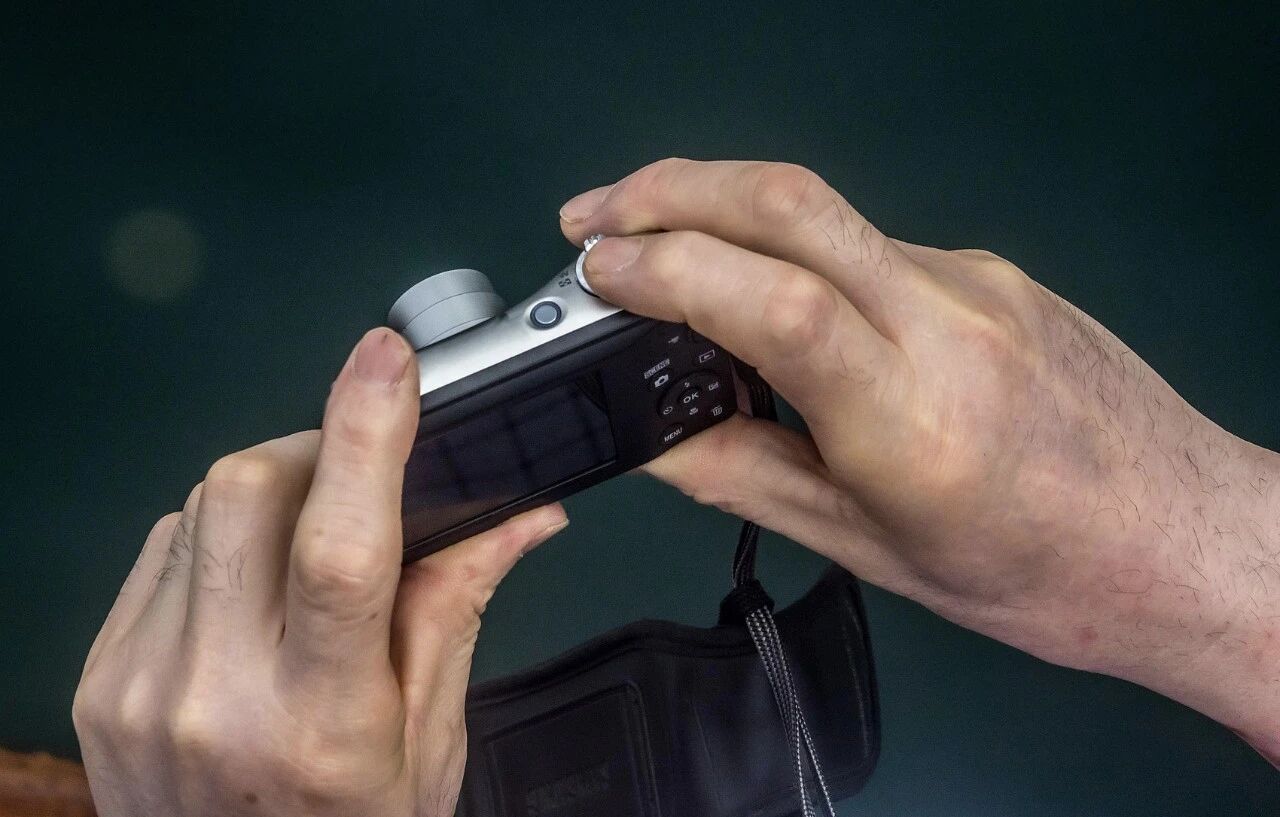
Photo: Screenshot from the WeChat account of China's Ministry of State Security
Chinese national security authorities have found that foreign espionage and intelligence agencies use part-time photography work and paid research assignments as inducements to recruit individuals in China online, directing them to attend military and technology exhibitions to take photographs or collect measurement data and then provide the information to overseas entities, according to China's Ministry of State Security (MSS) on Sunday.
According to the MSS on its official WeChat public account, such seemingly fragmented and publicly available information can, after systematic collection, integration and professional analysis, reveal sensitive core secrets to foreign espionage and intelligence agencies.
Details captured under high-resolution lenses often convey more information than textual descriptions, according to the MSS. At air shows, seams in aircraft fuselage panels, rivet patterns, and even the reflective properties of coatings may reveal the manufacturing level of stealth materials. At electronics exhibitions, information such as circuit board layouts and chip models, when analyzed, can be used to infer the anti-jamming capability and processing speed of electronic warfare systems.
The MSS said that photographs of military equipment also contain a large amount of exploitable reference information. In a high-resolution image of a fighter jet, the background and surrounding reference objects can be used to accurately estimate its length, width, and height, which in turn allows inference of its fuel capacity, combat radius, and maneuverability.
Information obtained from a single piece of equipment may be limited information, but the cumulative effect of such data can be significant. If information on supporting components of the same weapons system — such as radar vehicles, command vehicles, and reloading vehicles — is continuously collected across different exhibitions and time periods, it can be used to reconstruct the system’s full operational structure.
By comparing differences in models displayed in different years, it is also possible to infer the system’s technological evolution and development progress, according to the ministry.
The MSS has reminded the public that they should reject suspicious unsolicited approaches and remain highly alert to individuals who initiate contact, offer high payments, and request the use of professional equipment such as telephoto lenses, 3D scanners, or signal analyzers to photograph specific military equipment, research facilities, or exhibition details.
The MSS also reminded the public to comply with exhibition confidentiality rules by strictly following organizers’ photography regulations. In addition, they should guard against “jigsaw-style” intelligence gathering by remaining cautious of so-called clients who, under the guise of academic research or commercial cooperation, repeatedly request sensitive parameters or internal materials, in order to prevent the leakage of key data and core technologies.
Global Times
RELATED ARTICLES