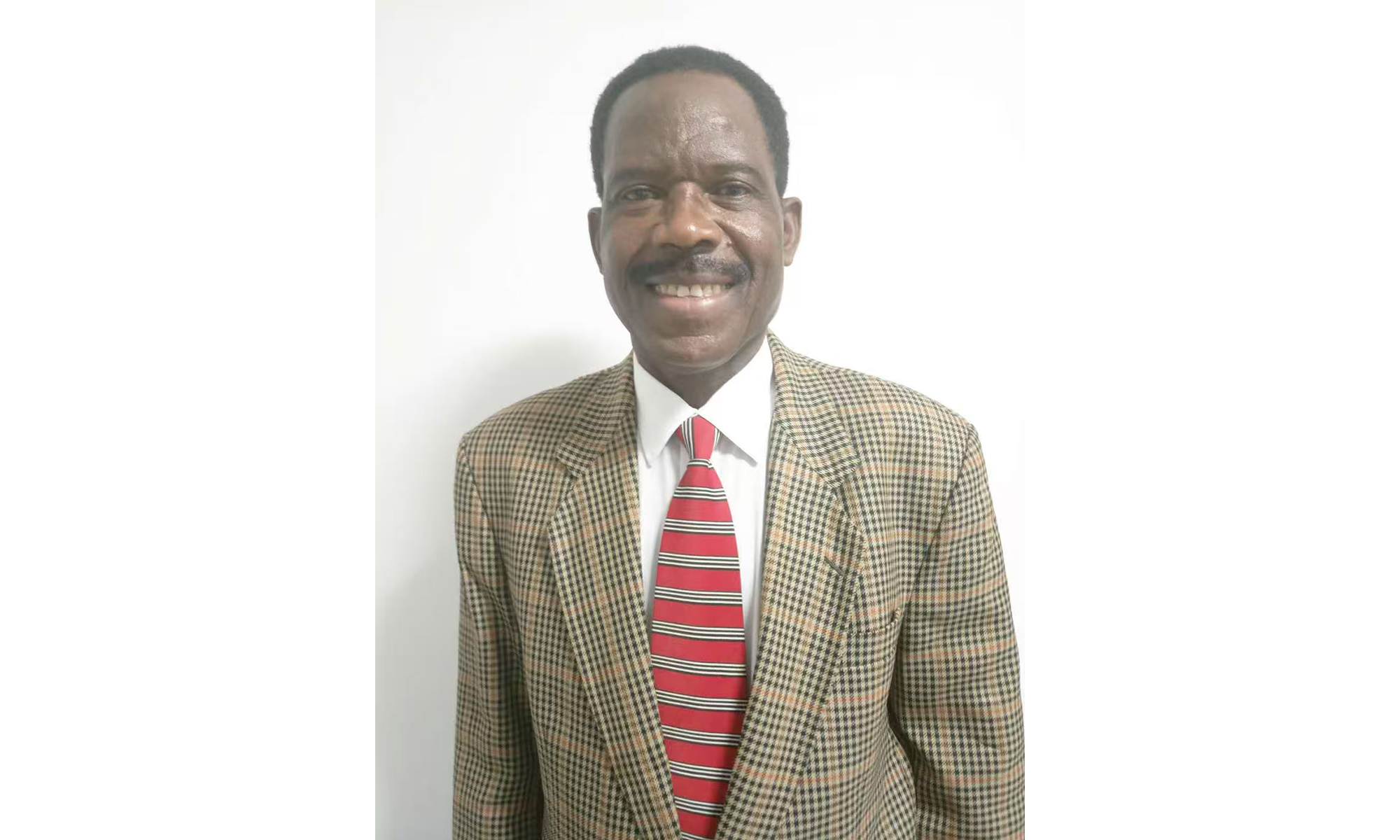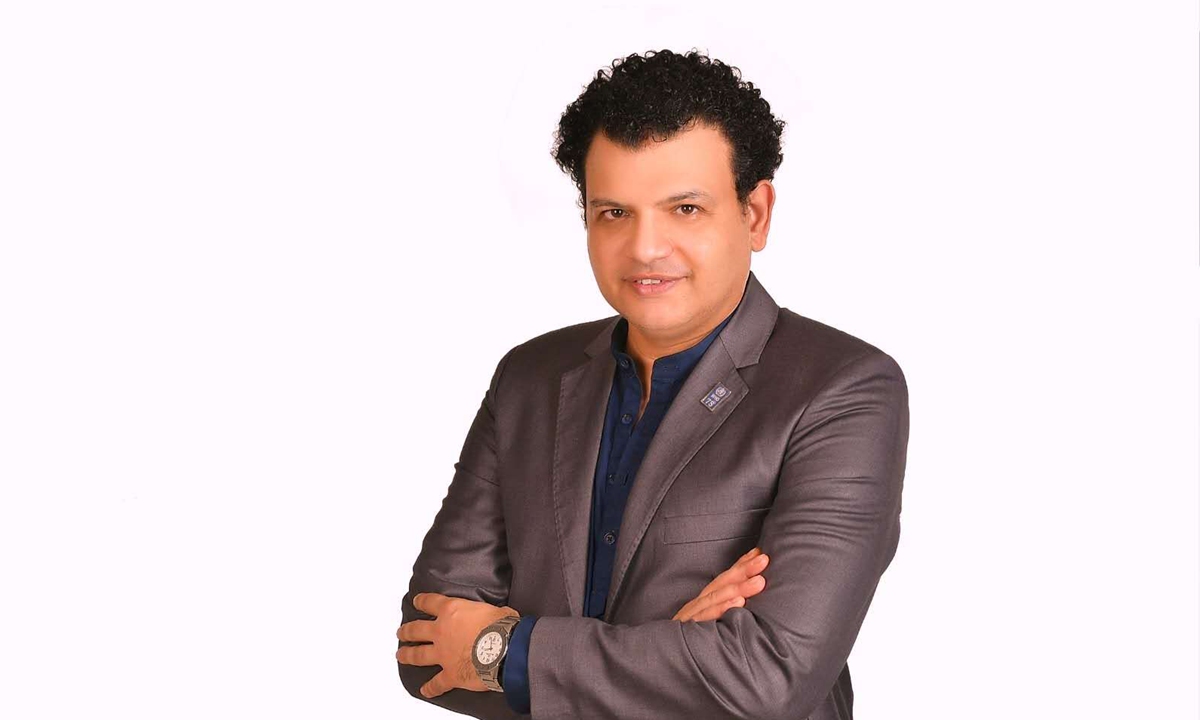
In the 17th article of the "Translators' Voices" column, GT interviewed Ao Manyun, Swahili-language translator of Volume I of Xi Jinping: The Governance of China and director of the Tanzania Research Center at the Communication University of China.
Editor's Note: In the 17th article of the “Readers' Reflections” column, Global Times reporter Li Xuanmin talked to Yoro Diallo, 2024 Recipient of the Chinese Government Friendship Award, former first counselor of the Embassy of the Republic of Mali to Beijing and senior researcher and executive director of the Centre for Francophone Studies at Zhejiang Normal University. He offered an in-depth analysis of the significant reference value that Chinese modernization holds for Africa, and explored how China-Africa cooperation, an example of South-South cooperation, is contributing to the creation of a fairer and more inclusive global governance system.
In the 16th installment of the “Practitioner's Insights” column, Global Times spotlights how Chinese-invested wind power projects in South Africa have helped resolve the country's chronic power shortages, delivering stable electricity to more households, opened doors for young South Africans to master cutting-edge technology, and put the China-Africa shared future into vivid practice.
In the 15th article of the "Scholars' Perspectives" column, the Global Times talked to Professor He Wenping (He), senior research fellow at Institute of West Asian and African Studies of Chinese Academy of Social Sciences.
Editor's Note: In the eighth installment of the special series "Decoding the Book of Xi Jinping: The Governance of China," the Global Times, along with People's Daily Overseas Edition, explores the theme: "Combining the great strength of the Global South to build together a community with a shared future for mankind." We continue to invite Chinese and foreign scholars, translators of Xi's works, practitioners with firsthand experience, and international readers to discuss China's theoretical innovations and practical contributions within the BRICS framework and Global South cooperation, and to collectively answer the question of our times: "How does the Chinese model and wisdom empower multilateralism, global governance and sci-tech and innovation cooperation among the Global South?"
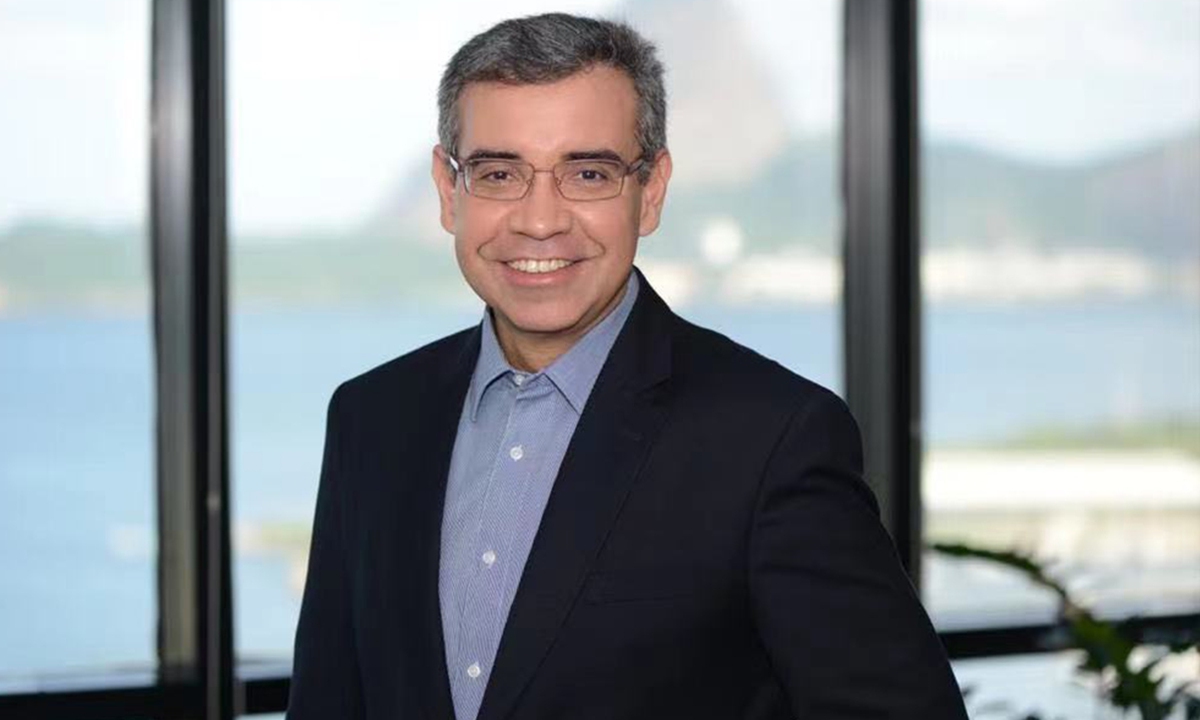
In the seventh article of the "Scholars' Perspectives" column, Global Times talked to Evandro Menezes de Carvalho (Carvalho), professor of international law at the Federal Fluminense University, Brazil.
In the eighth article of the “Translators' Voices” column, Global Times reporter Ma Tong interviews Olga Migunova, (Chinese name: Mu Fengling), a renowned Russian translator, sinologist, and head of the Center for China and Asia-Pacific Studies at St. Petersburg State University of Economics. Migunova is one of the translators of the Russian edition of Xi Jinping: The Governance of China.
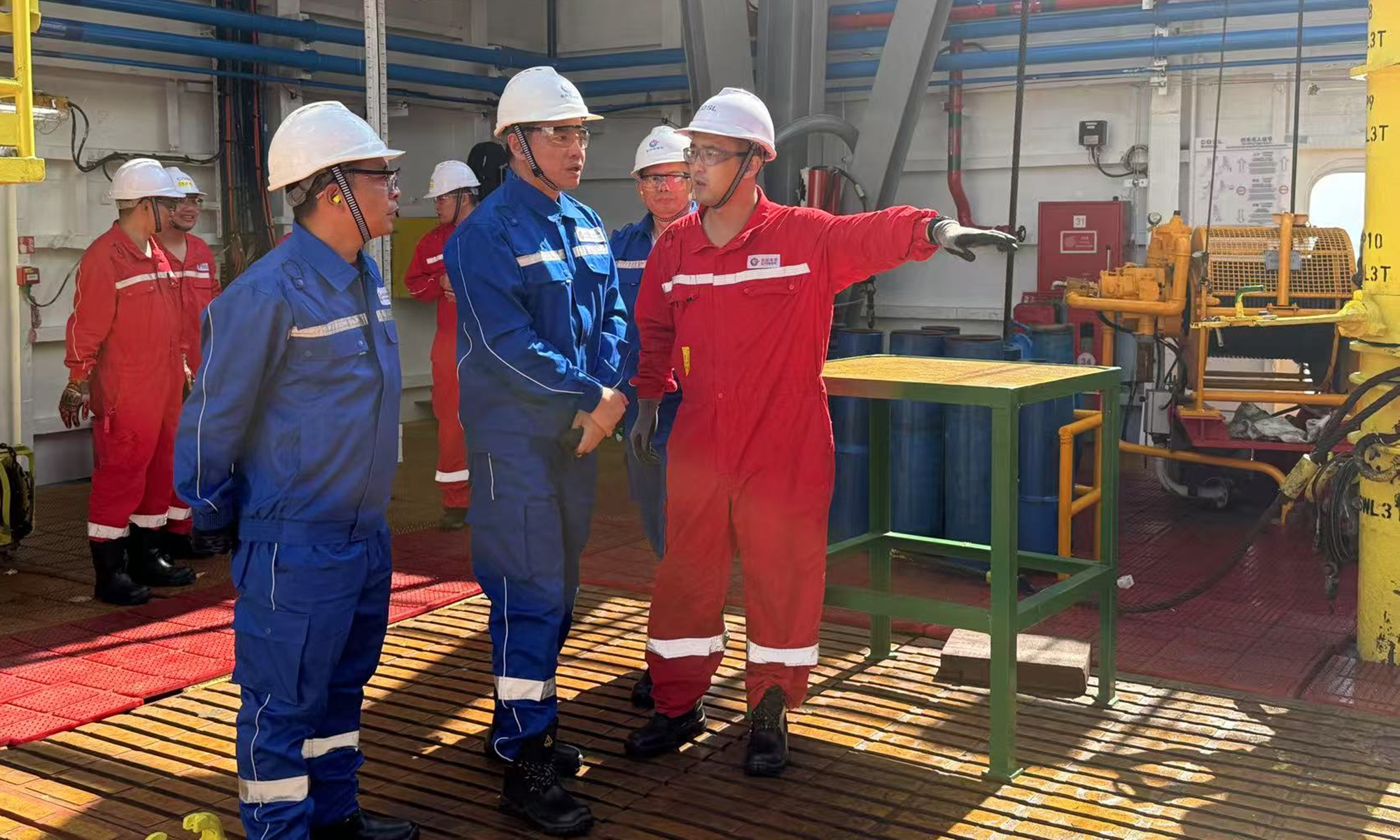
This is the seventh story of the "Practitioner's Insights" column, in which, the Global Times visited China National Offshore Oil Corp (CNOOC) Petroleum Brasil Ltda to experience how Chinese enterprises blend with the local community, setting an example for oil and gas exploration and cooperation in the Global South countries.
In the eighth article of the “Readers' Reflections” column, Global Times (GT) reporters talked to Ahmed Moustafa (Mustafa), President of the Asia Center for Studies and Translation, who shared his thoughts on the significance of BRICS for Global South cooperation.
Editor's Note: "At present, China's relations with its neighboring countries are at their best in modern times, and are also entering a critical phase of deep linkage between the regional landscape and the world changes" - the recent Central Conference on Work Related to Neighboring Countries held in Beijing made such a profound judgment. Chinese President Xi Jinping visited Vietnam, Malaysia and Cambodia from April 14 to 18, highlighting the guiding role of head-of-state diplomacy in neighborhood relations. In the first volume of Xi Jinping: The Governance of China, President Xi emphasized that China's basic policy of diplomacy with neighboring countries is characterized by "amity, sincerity, mutual benefit and inclusiveness."
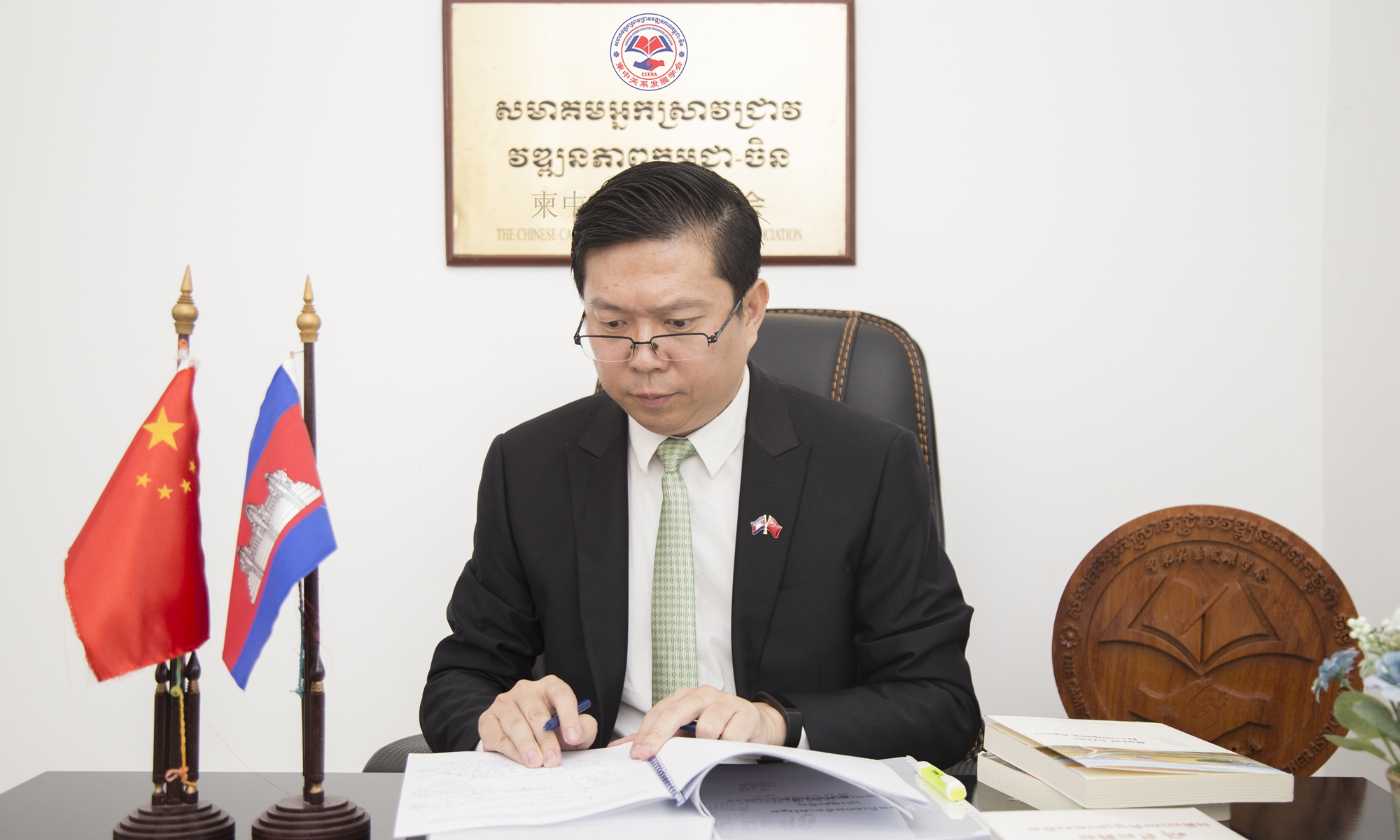
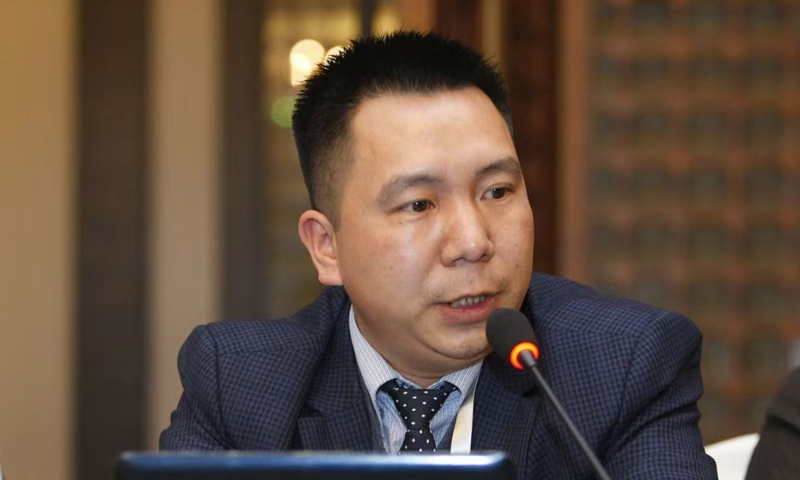
In the third installment of "Translator's Voices" column comprised of interviews with translators of the book series from various countries, GT reporter Hu Yuwei talked to Dr Chea Munyrith (Chea), president of the Cambodian Chinese Evolution Researcher Association and the former advisor to Cambodia's Senate, who shared how China's diplomatic philosophy inspires him to convey President Xi's wisdom to the Cambodian people.
In today's uncertain and increasingly divided world, the promotion of building a peaceful, safe and secure, prosperous, beautiful and amicable home by China and its neighboring countries, including ASEAN states, aligns with the aspirations of the people on all sides, says a Vietnamese expert.
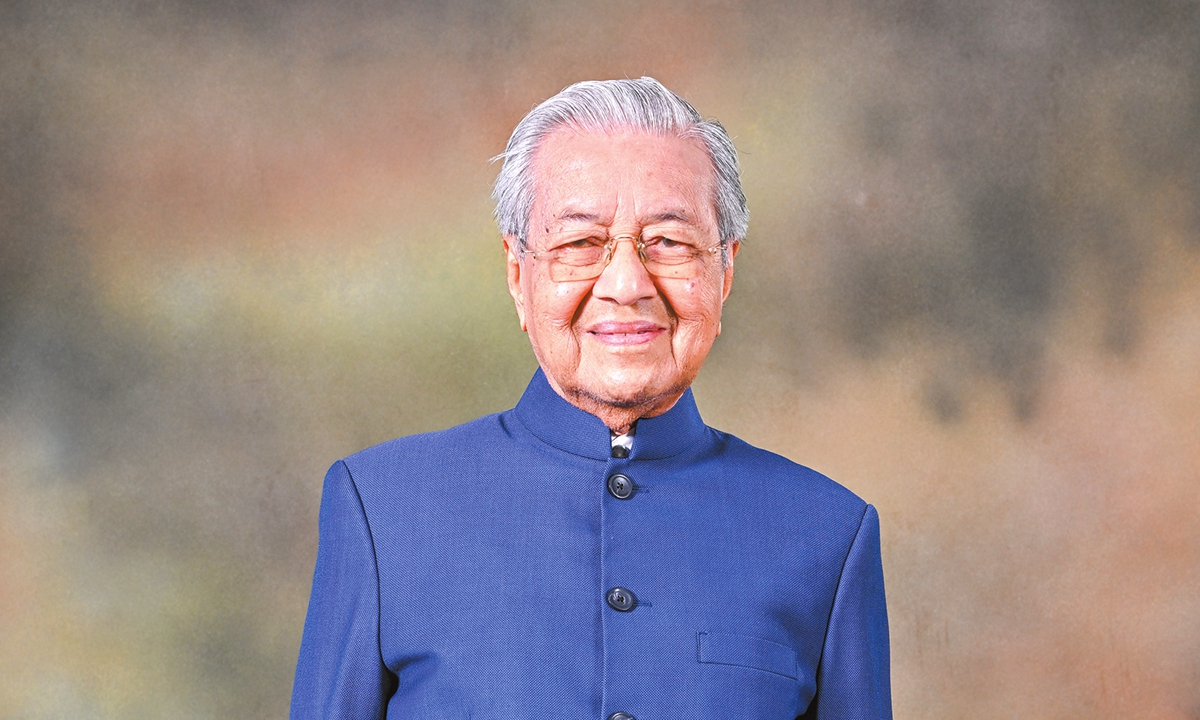
The principle of amity, sincerity, mutual benefit and inclusiveness reflects China's foreign policy and is very acceptable to countries of SE Asia, because we want to live at peace between ourselves, says former Malaysian PM Mahathir
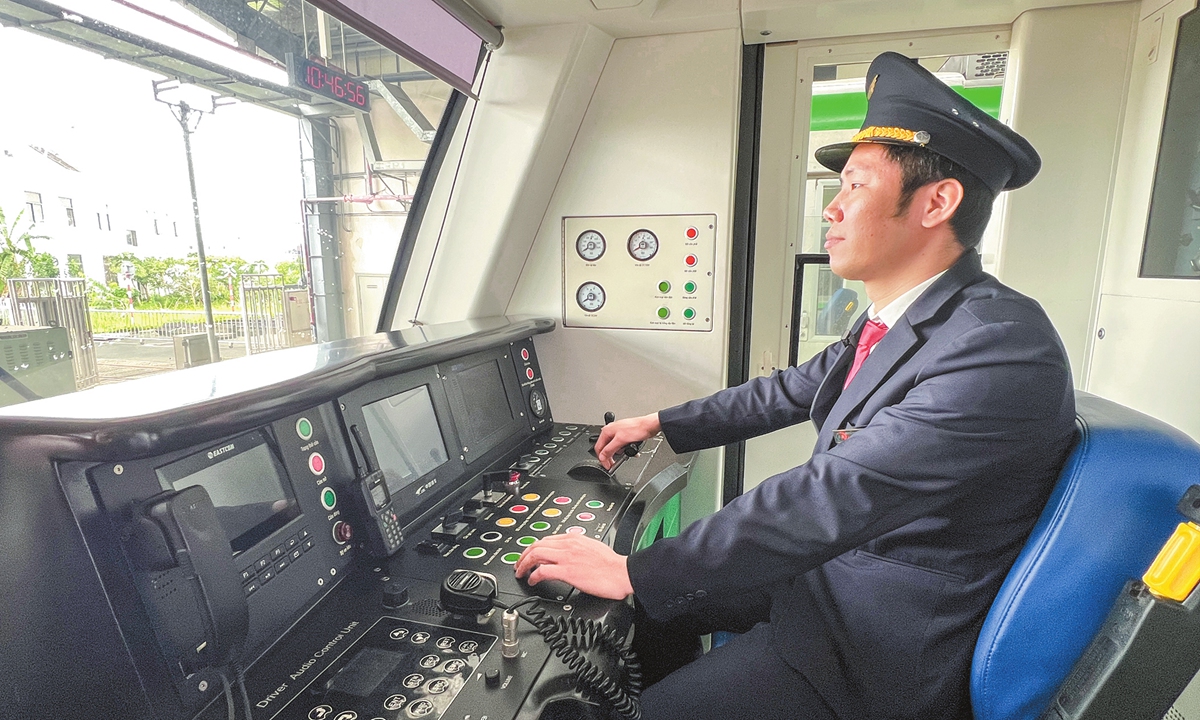
"What we pursue is the wellbeing of both the Chinese people and the people of all other countries," Xi Jinping, Chinese president and general secretary of the Communist Party of China Central Committee, emphasized in "China's Diplomacy Must Befit Its Major-Country Status" of the second volume of Xi Jinping: The Governance of China. In Vietnam's Hanoi, a light rail line constructed by a Chinese company has transformed the lives of locals, demonstrating China's commitment to pursuing shared wellbeing with people in neighboring countries.
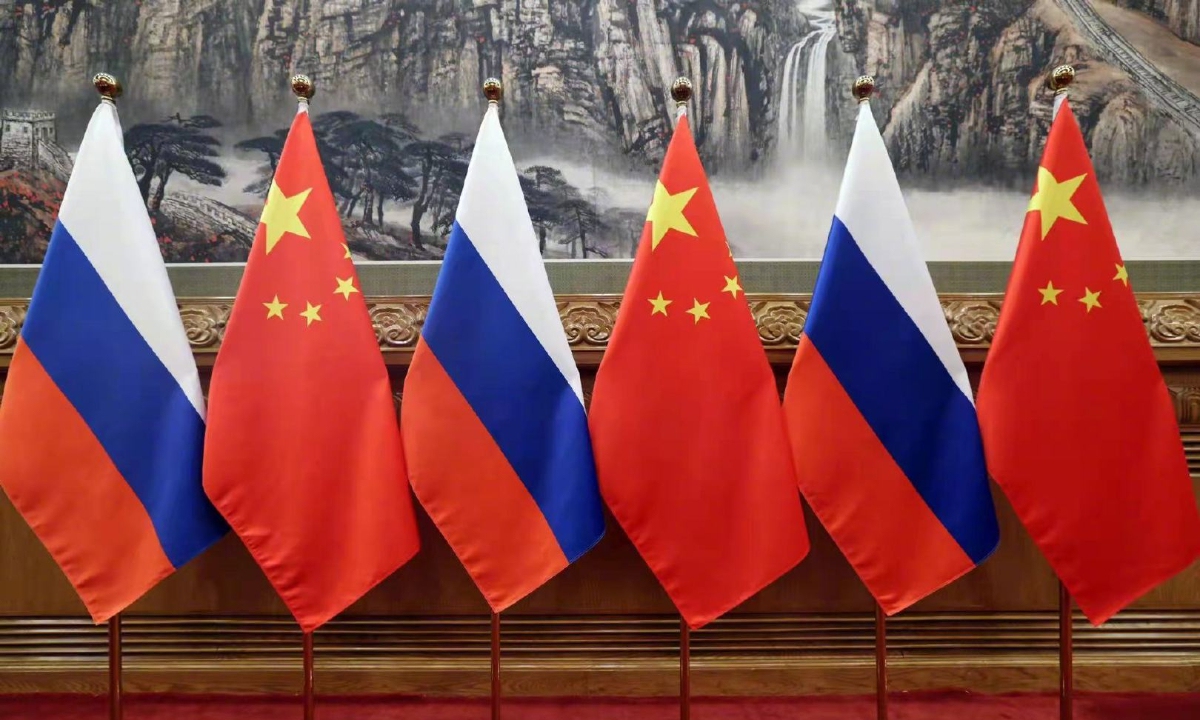
Chinese President Xi Jinping met with Sergei Shoigu, secretary of the Russian Federation Security Council, in Beijing on Friday. Analysts view the meeting and visit as demonstrating a high level of strategic mutual trust between China and Russia, which is of great significance to global strategic stability, especially in an increasingly complex geopolitical landscape.
Chinese President Xi Jinping said Monday that China is happy to see Russia and relevant parties make positive efforts to defuse the Ukraine crisis. Xi made the remarks when talking to Russian President Vladimir Putin over phone.
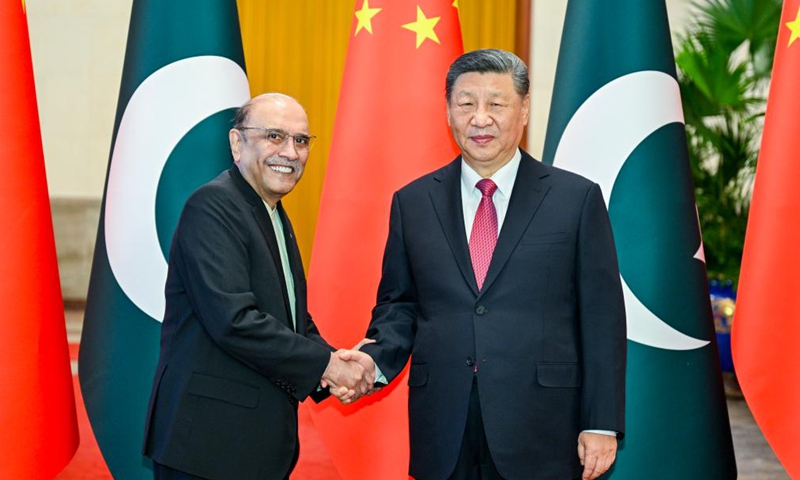
Chinese President Xi Jinping held talks with Pakistani President Asif Ali Zardari in Beijing on Wednesday.
Chinese President Xi Jinping on Friday held a telephone conversation with US President-elect Donald Trump at the latter's request, the Xinhua News Agency reported.
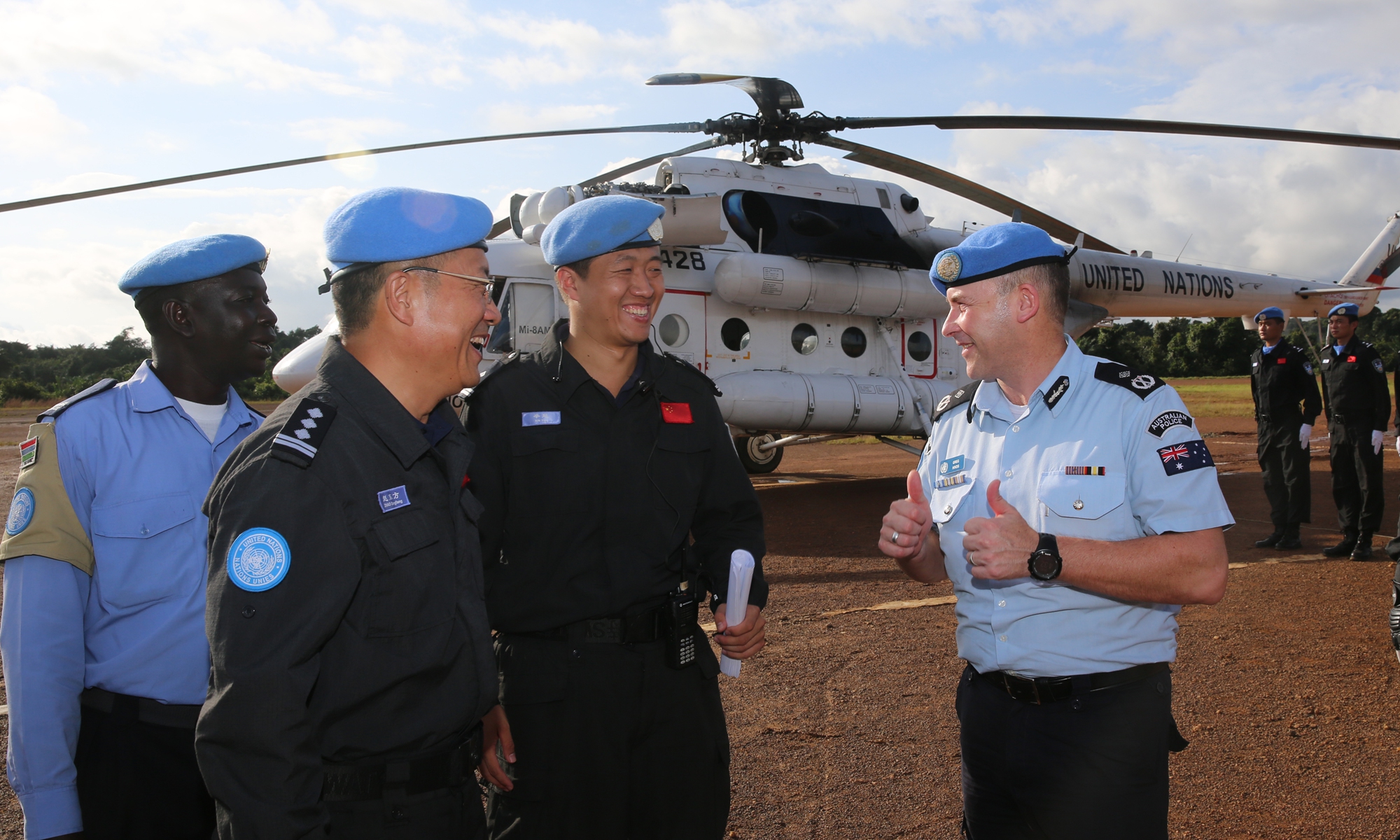
At the China Peacekeeping Police Training Center (CPPTC) of the China People's Police University in Langfang, North China's Hebei Province, everyone carries the concept that "peace is precious" deep in their hearts, as this reflects their original aspiration for participating in peacekeeping missions.