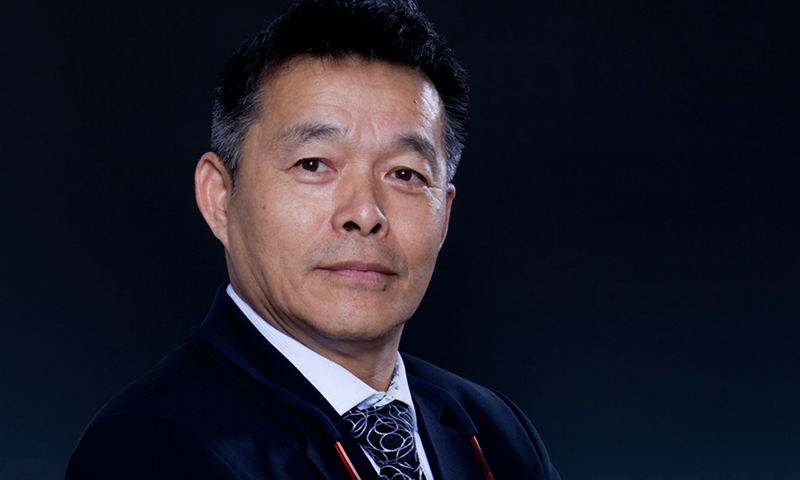
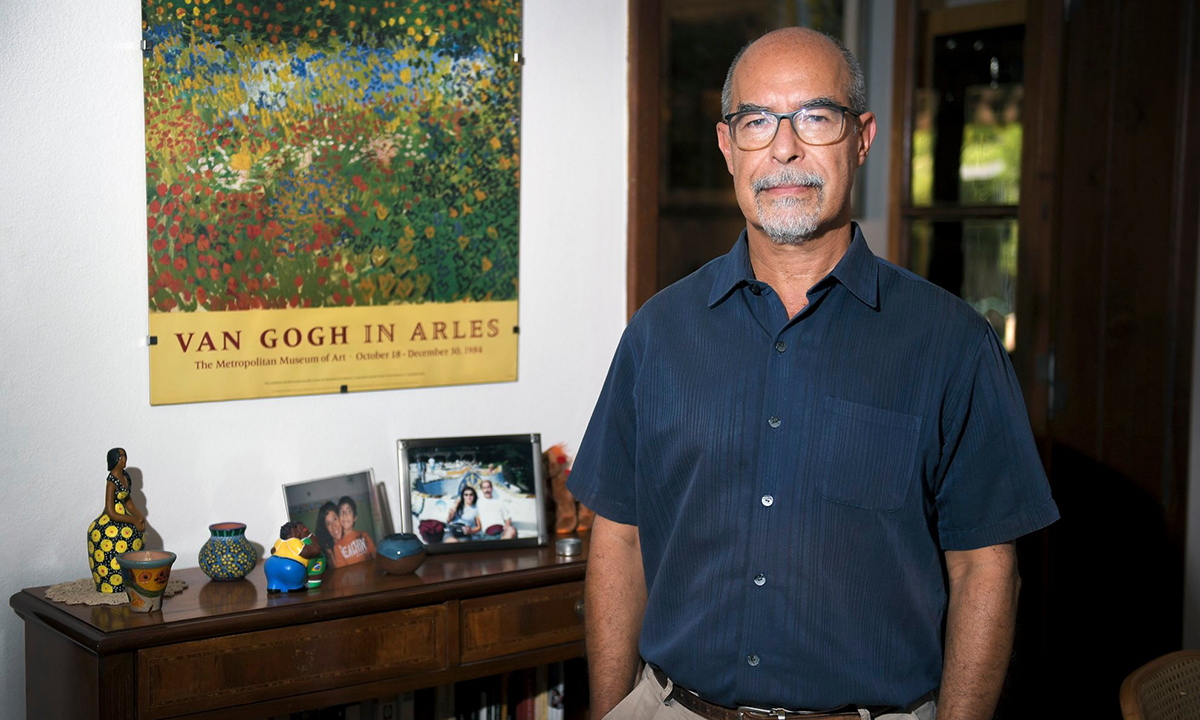
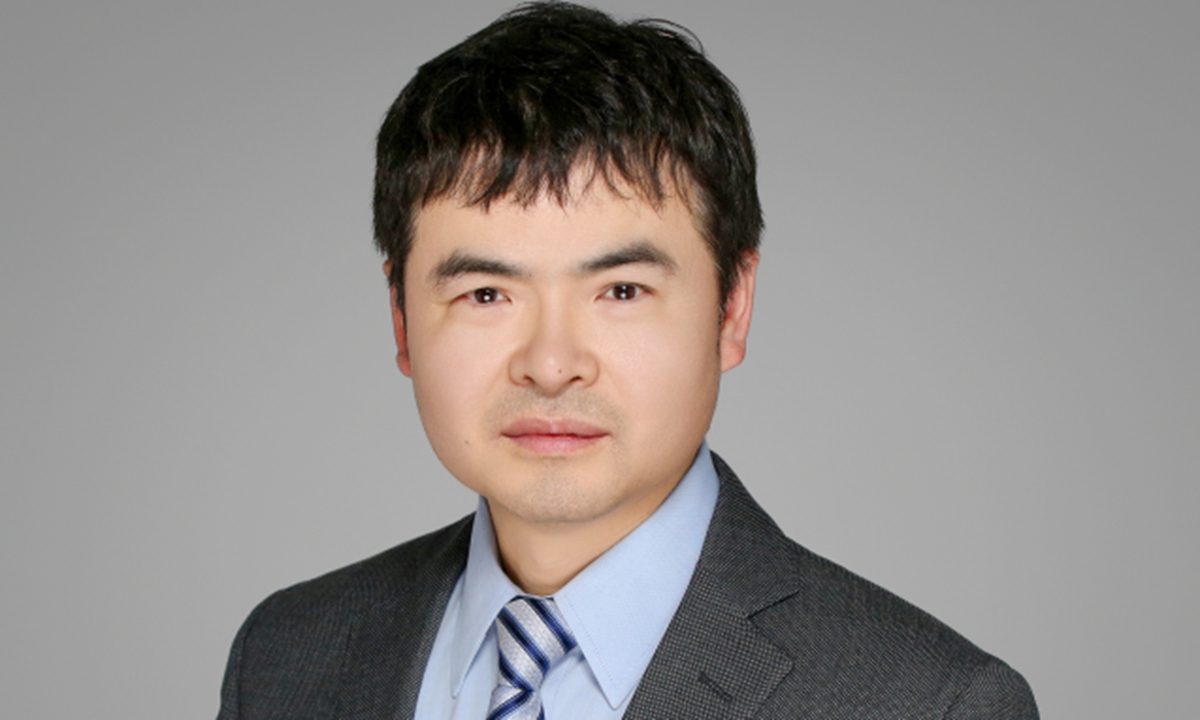
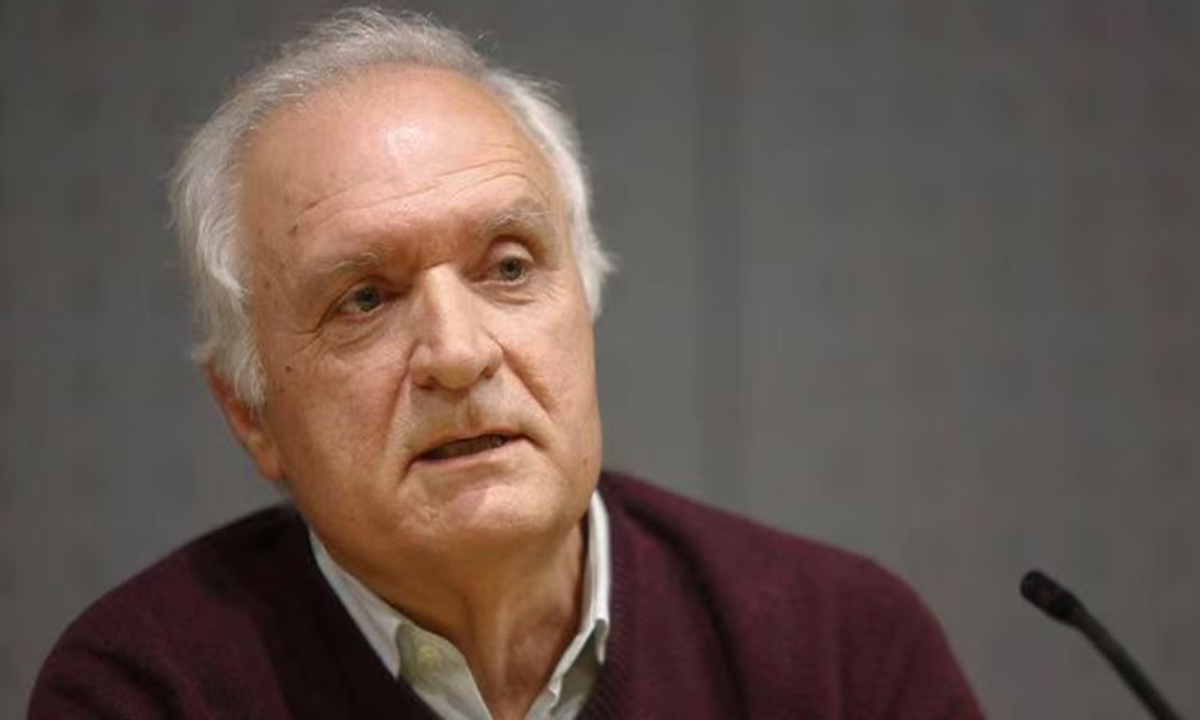
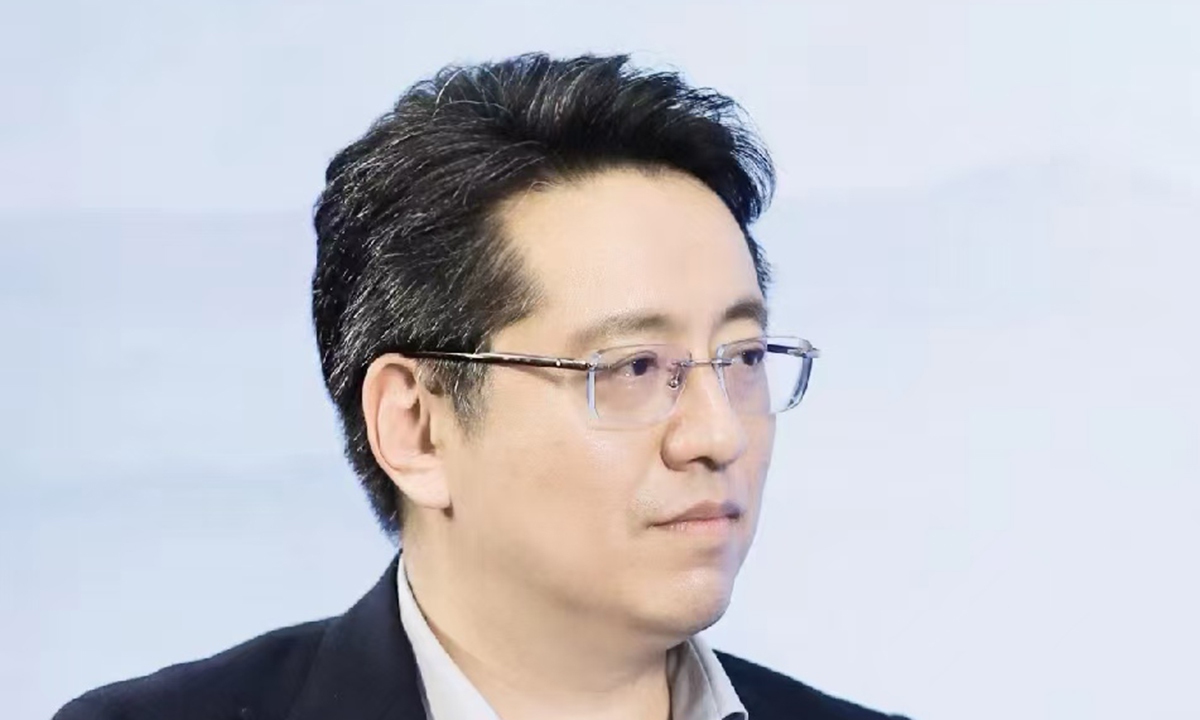
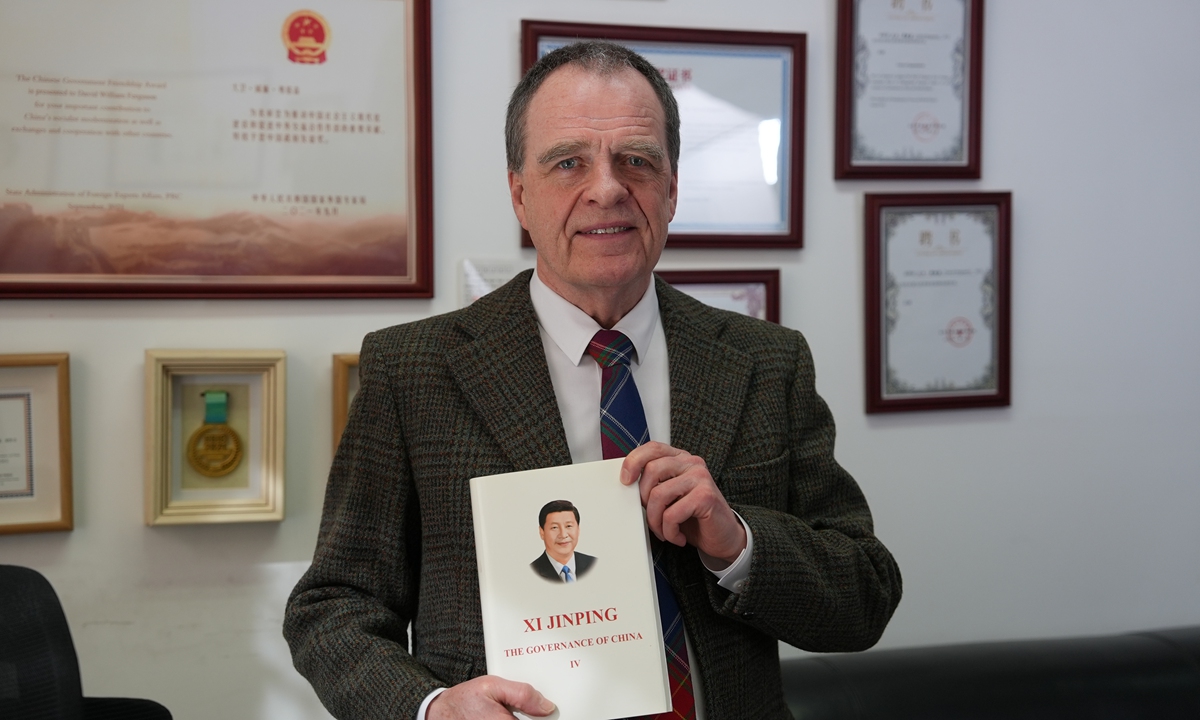
In the 15th article of the "Translators' Voices" column, GT interviewed Burkhard Risse (Risse), member of the translators' team of the German edition of Xi Jinping: The Governance of China and recipient of the 2025 Chinese Government Friendship Award.
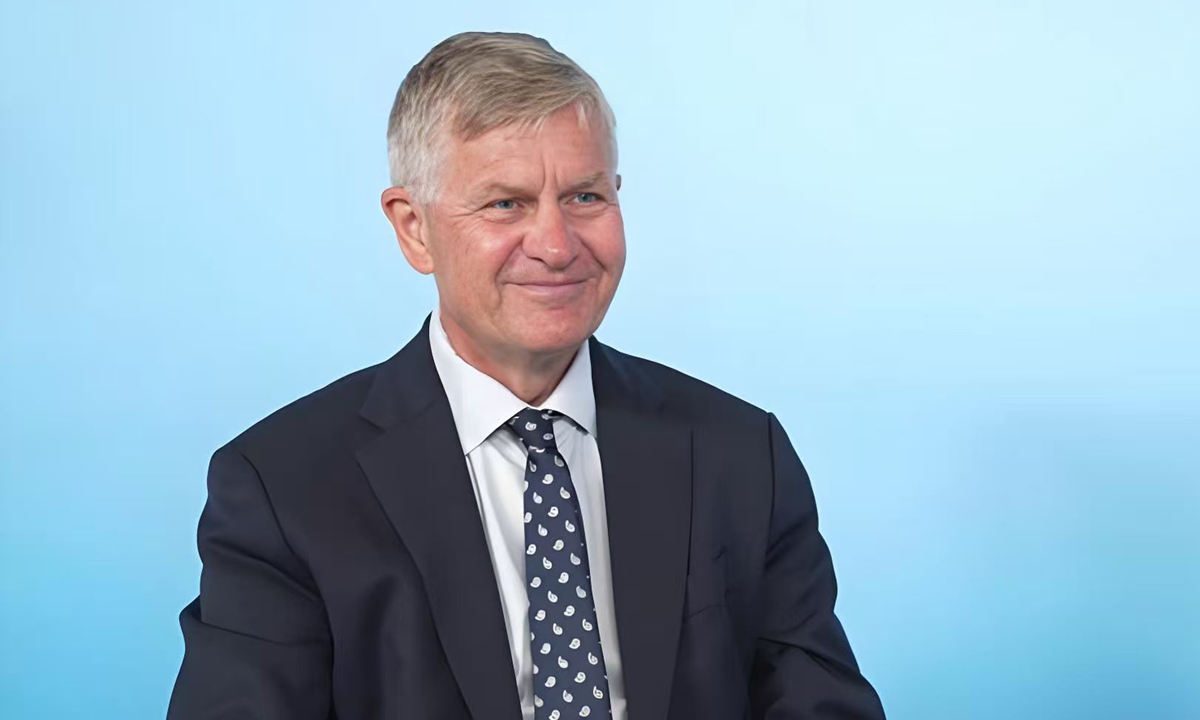
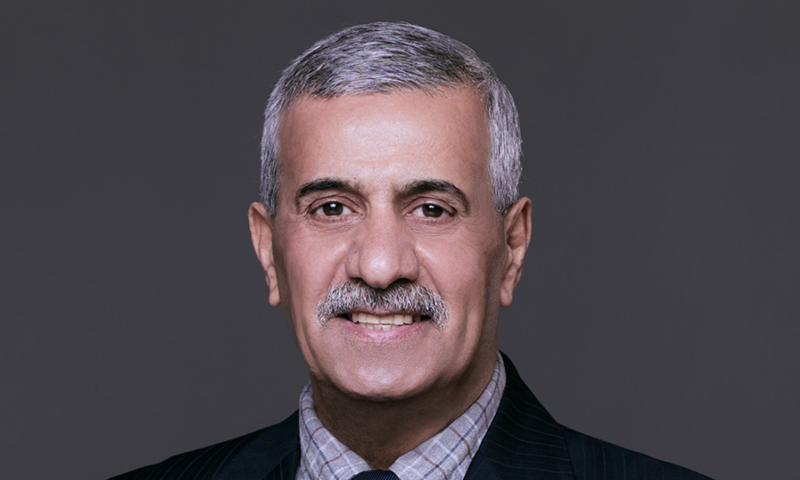
In the 15th article of the "Readers' Reflections" column, Global Times (GT) reporter Ma Tong talked to Erik Solheim (Solheim), chairman of Europe-Asia Center, and former under secretary-general of the United Nations and the executive director of United Nations Environment Programme.
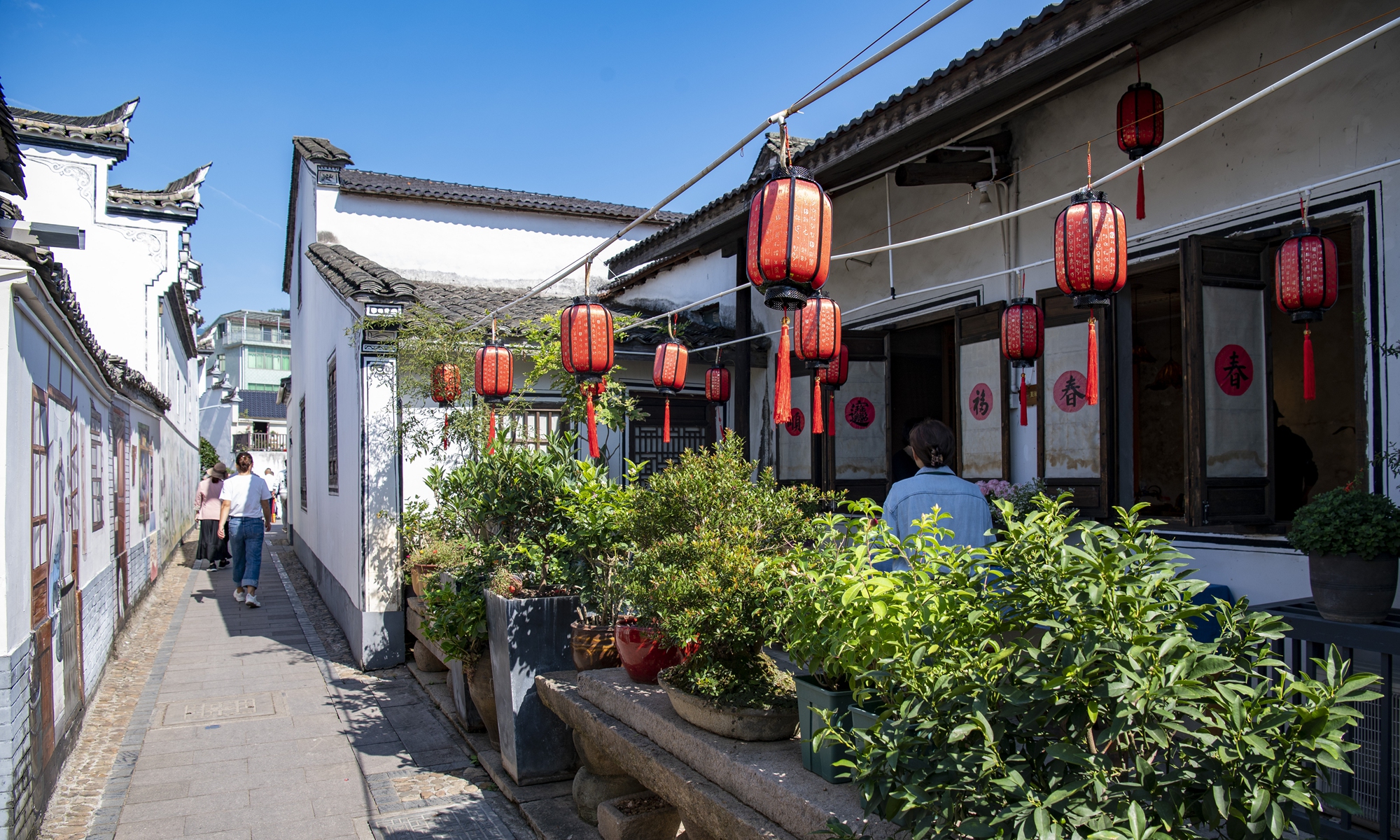
This is the 14th story of the "Practitioner's Insights" column, the Global Times turns its focus to Lizu village, a once-remote community in Yiwu, East China's Zhejiang Province, now a thriving hub for young entrepreneurs. Revitalized through the village-wide operation model overseen by village CEOs, it has evolved into an "international cultural entrepreneur village," gaining renown both at home and abroad. Lizu village's practice presents a vivid example of how China "unswervingly manages our own affairs well."
In the 13th article of the "Scholars' Perspectives" column, Global Times talked to Professor Hu Angang (Hu), Honorary President of the Institute of Contemporary China Studies at Tsinghua University.
Recently, Chinese President Xi Jinping, also general secretary of the Communist Party of China Central Committee and chairman of the Central Military Commission, led a central delegation to attend a grand gathering in celebration of the 70th founding anniversary of the Xinjiang Uygur Autonomous Region. On September 24, while listening to work reports from the CPC Xinjiang regional committee and the regional government, President Xi once again stressed that “it is imperative to foster a strong sense of the Chinese nation as one community in Xinjiang and promote the construction of the community.”
Whether it's the long-term peace and stability achieved across its vast territory or the remarkable wisdom demonstrated in managing multi-ethnic relations, the CPC has showcased exceptional governance capabilities. These experiences are worth studying closely and learning from, as they inspire us to think about how to tailor some of these successful approaches to Latin America's unique context.
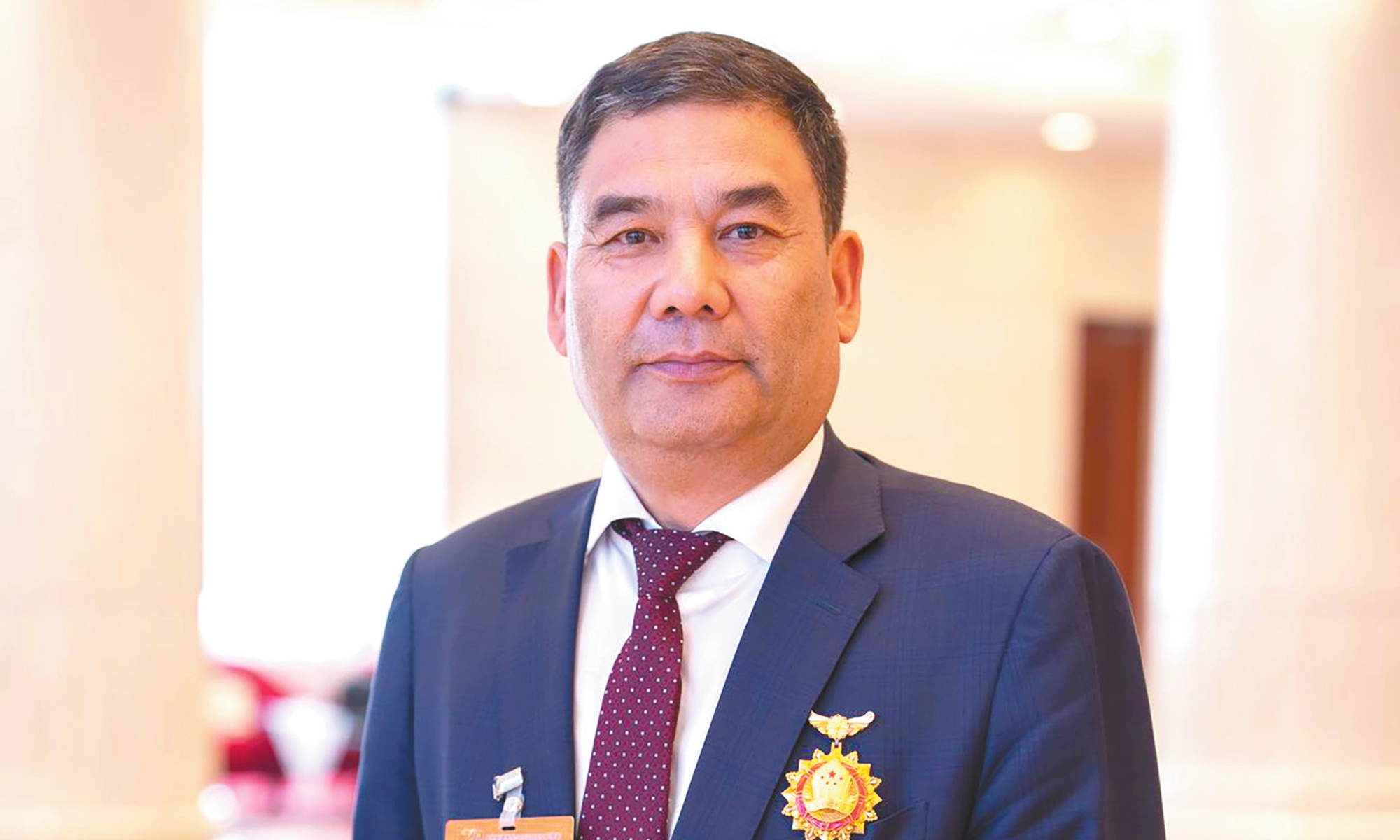
In the 12th installment of the "Practitioners' Insights" series, we turn our lens to a village school in Wushi county, Aksu Prefecture in Northwest China's Xinjiang Uygur Autonomous Region, and its founder, Kurban Niyaz. Over the past two decades, Principal Kurban has stayed true to his belief in using the standard spoken and written Chinese language as a bridge and traditional Chinese culture as the soul of education. He has transformed the concept of nurturing hearts through culture into a tangible daily reality in his classrooms. His unwavering dedication has changed the educational path and spiritual outlook of many children, while also offering a vivid example of fostering a strong sense of the Chinese nation as one community.
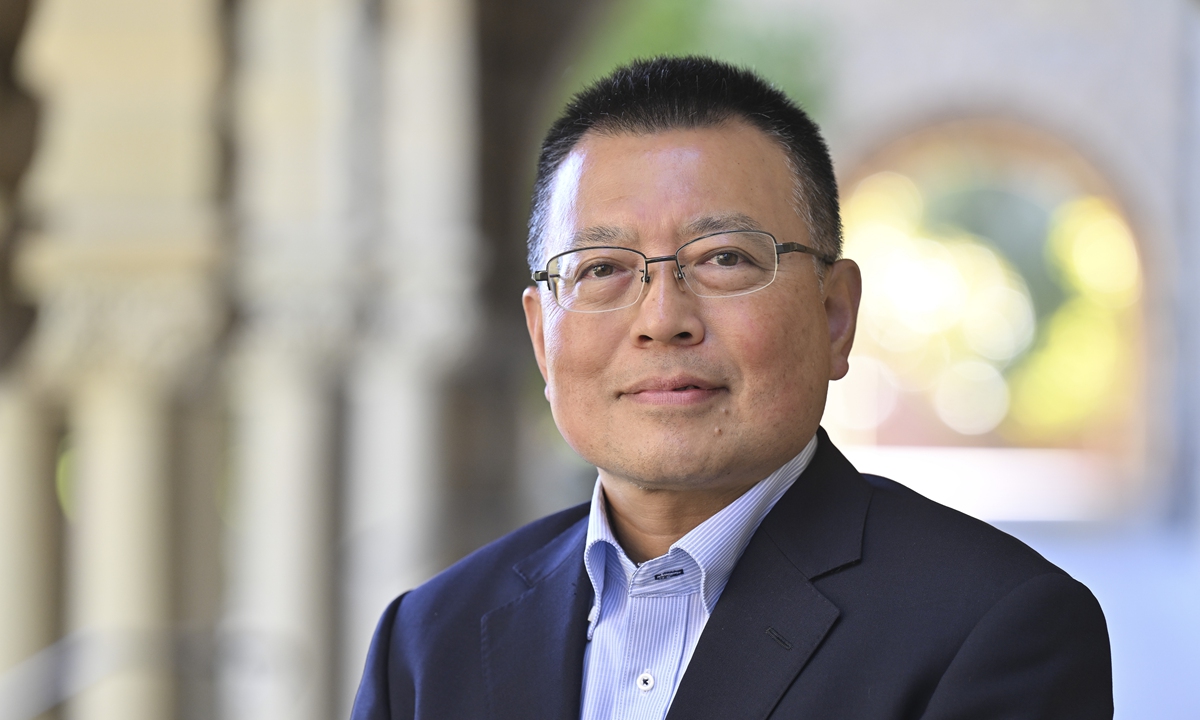
In the 11th article of the "Scholars' Perspectives" column, Global Times talked to professor Yan Qing from Minzu University of China, who also serves as deputy secretary-general of the advisory committee of China's National Ethnic Affairs Commission.
Only by strengthening the sense of the Chinese nation as one community and building a solid ideological Great Wall to safeguard national unity and ethnic solidarity, can China, in the course of realizing the Chinese Dream of national rejuvenation, offer new choices for countries and nations worldwide that wish to accelerate development while maintaining their independence.
Editor's Note: Chinese President Xi Jinping proposed the Global Governance Initiative (GGI) at the “Shanghai Cooperation Organization Plus” Meeting held in North China's Tianjin on September 1. This is another important public good that China has provided to the international community, following the Global Development Initiative, the Global Security Initiative and the Global Civilization Initiative.
China's confidence and determination to propose the Global Governance Initiative are rooted in its historical experience, cultural heritage, development achievements and systematic advantages. The GGI is expected to enhance global peace, stability, security and development while promoting fairness, equality and cooperation in international relations.
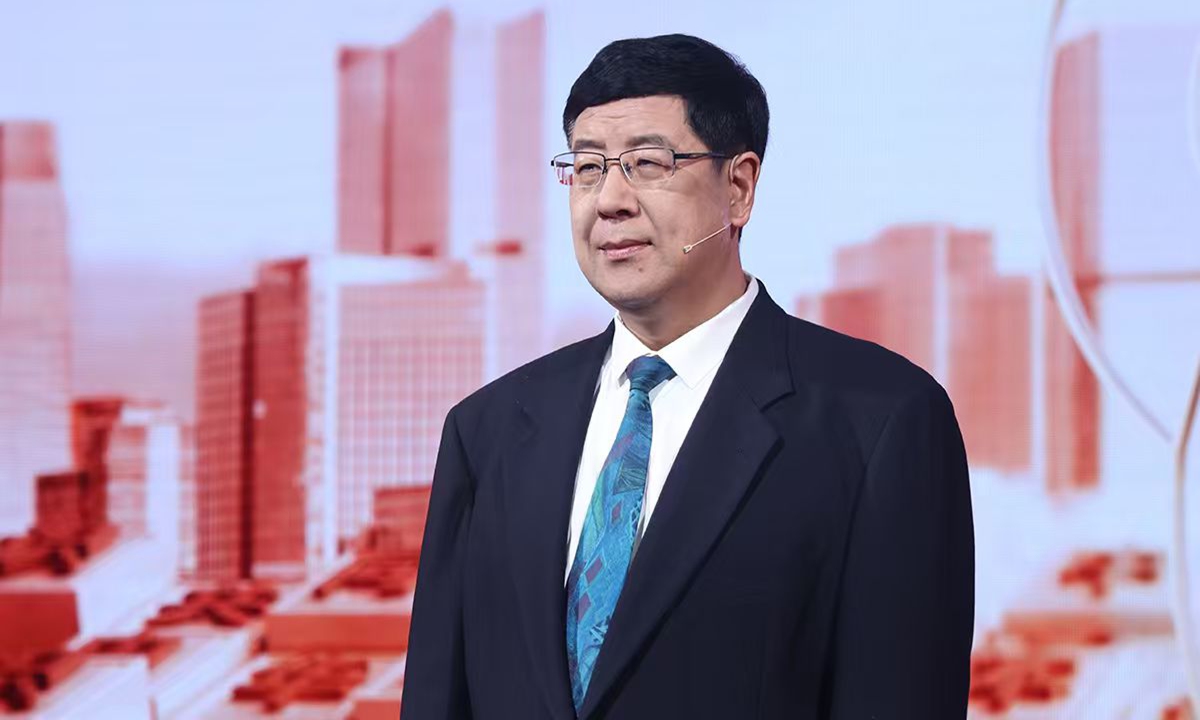
In the 10th article of the "Scholars' Perspectives" column, Global Times talked to Professor Yu Tiejun, President of the Institute of International and Strategic Studies (IISS) in Peking University, whose expertise includes international relations theory, and history of international political thought and international security.
In the 12th article of the "Readers' Reflections" column, Global Times (GT) reporter Ma Jingjing spoke with Xulio Rios (Rios), director of the Observatory of Chinese Politics in Spain, about his understanding of the Global Governance Initiative (GGI) and its profound implications for the world in addressing shared challenges.
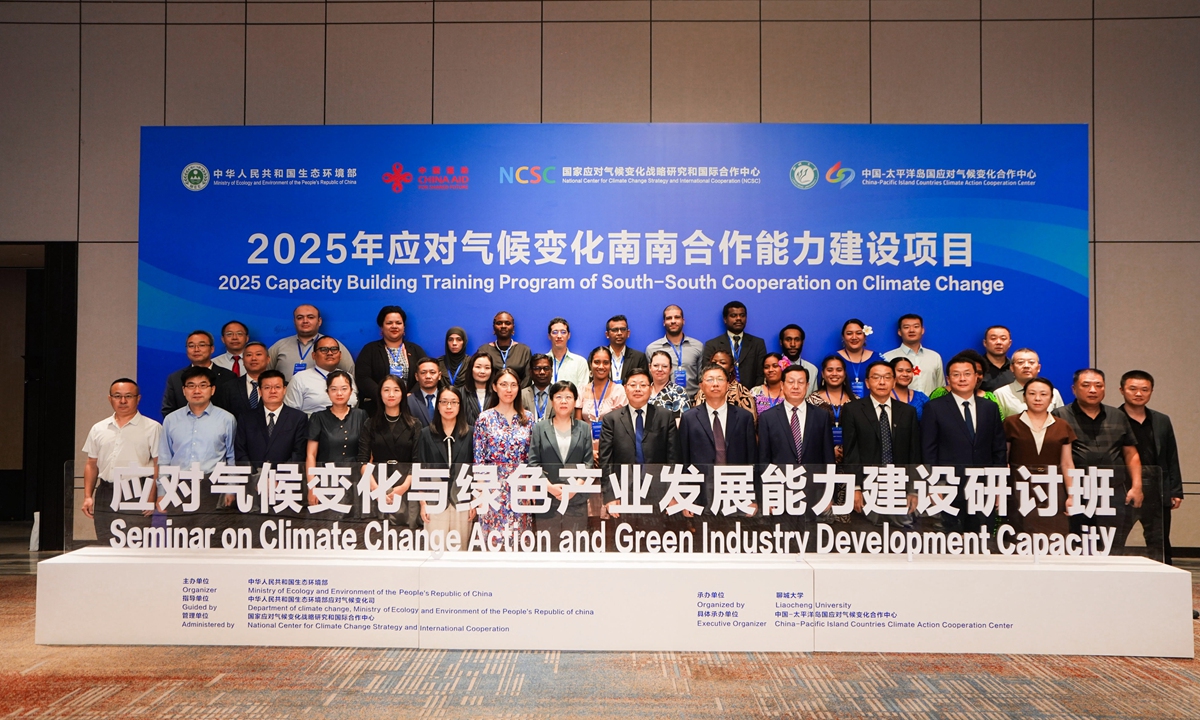
This is the 11th installment of the "Practitioners' Insights" column. In this issue, we focus on a cooperation platform that connects China and Pacific island countries (PICs). Through its practical achievements, we seek to understand how Global Governance Initiative are enabling China to share its wisdom and solutions with the world - especially with its small, climate-vulnerable partners. Different practitioners are jointly exploring ways to tackle climate challenges and improve people's livelihoods. Their stories embody a people-centered development philosophy: Making green a fundamental element of growth, while quietly improving ordinary lives through cooperation.
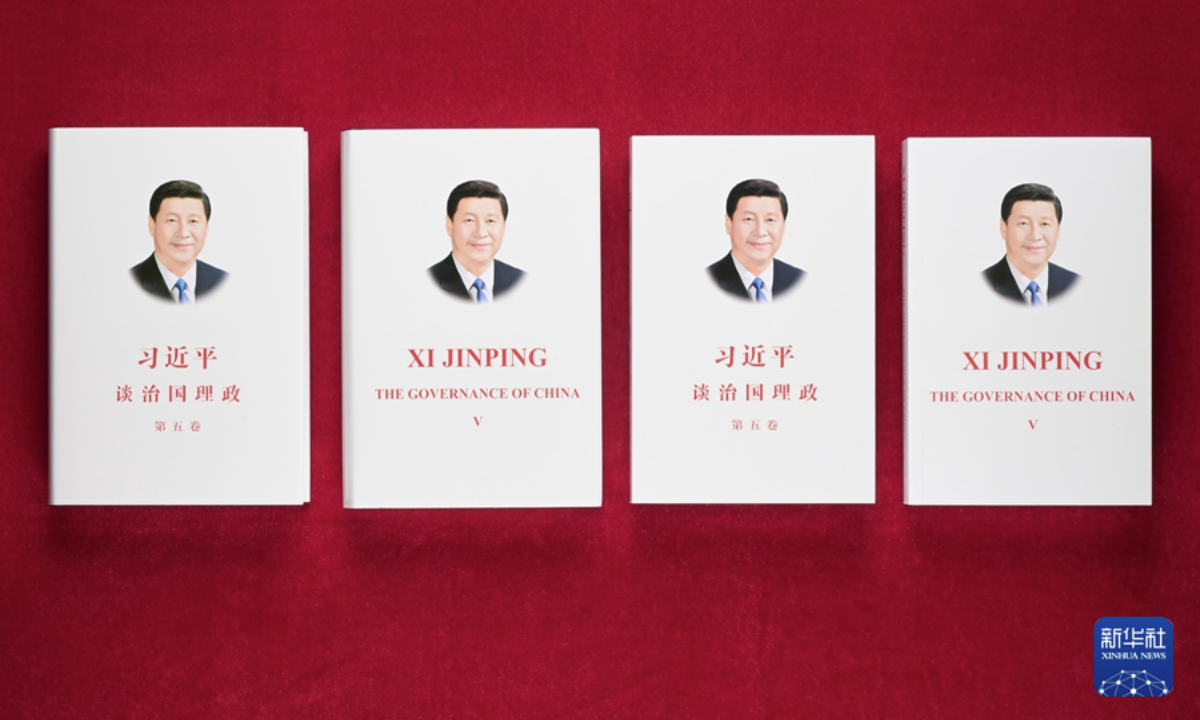
The fifth volume of "Xi Jinping: The Governance of China" has been published by Foreign Languages Press in both Chinese and English and is now available at home and abroad, according to an official statement issued Wednesday.
Editor's Note: The scientific formulation and consistent implementation of five-year plans stand as an important piece of experience in the Communist Party of China's (CPC) approach to governing the country. It's also significantly representing the political advantage of socialism with Chinese characteristics.
The fifth article of the “Scholars' Perspectives” column features an interview with Dong Yu, executive vice dean of the China Institute for Development Planning at Tsinghua University. Dong is one of the participants in the formulation of several recent five-year plans and has also witnessed the central economic policy-making and implementation since the 18th CPC National Congress.
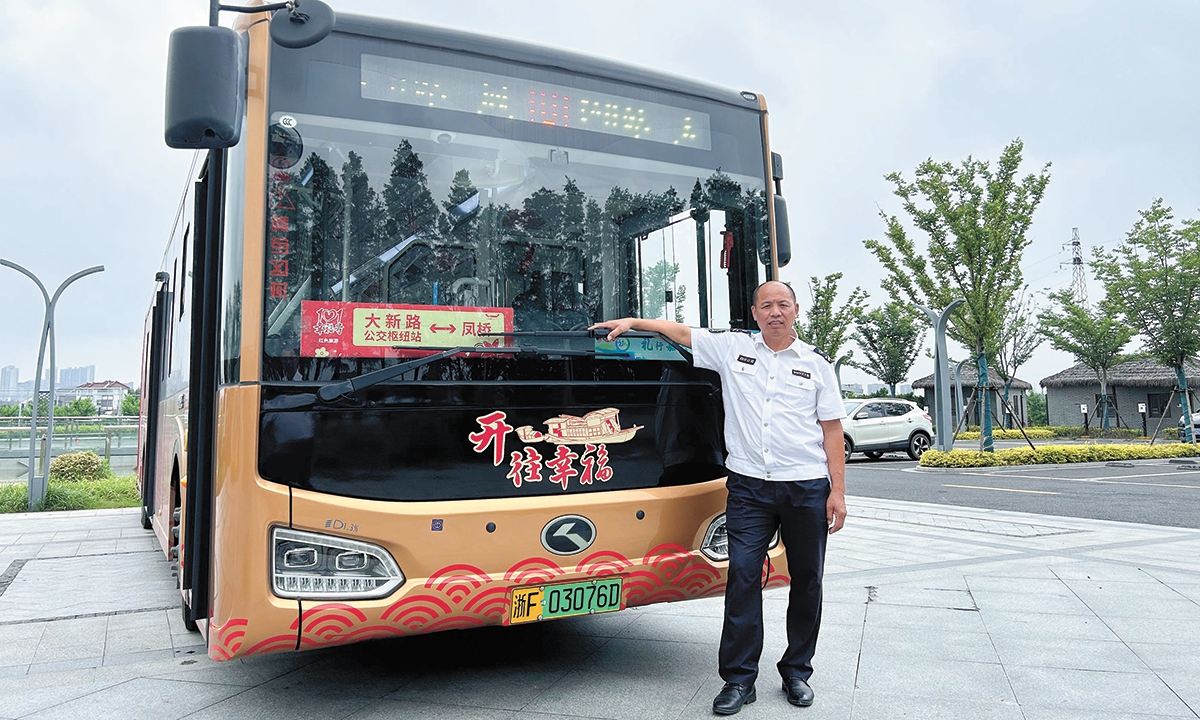
This is the fifth story of the "Practitioner's Insights" column, in which, a Global Times reporter traveled to Jiaxing, East China's Zhejiang Province, to speak with local drivers, passengers, and transportation officials about the urban-rural bus Route 101, which is hailed as a model for the national urban-rural public transportation integration reform. Over the past two decades, this route has steadfastly adhered to the "nail" spirit and the perseverance of "keeping working on it, one administration after another," to anchor the principle of "following a good blueprint through to the end" and "making it a success."
“Following a good blueprint” involves taking a strategic and integrated approach to achieve consistent and cumulative results at each stage of the work.
In the sixth article of the "Readers' Reflections" column, Global Times (GT) reporters Ma Jingjing, Qi Xijia and Chen Xia talked to Denis Depoux (Depoux), global managing director of consulting firm Roland Berger, about how China's five-year plans bring historic transformation to the country, and how China translates long-term goals into every five-year plan and resolutely implements them.
Editor's Note: "Learning from History to Build Together a Brighter Future" - this is Chinese President Xi Jinping's signed article published in the Russian Gazette newspaper ahead of his arrival in Russia for a state visit and attendance at the celebrations marking the 80th anniversary of the Victory in the Soviet Union's Great Patriotic War. The article emphasizes the importance of "upholding a correct historical perspective on WWII," "upholding the postwar international order," and "firmly defending international fairness and justice."
In an age of uncertainty, Xi's macro-historical perspective serves as a beacon: The past may not determine the future, but understanding it is essential for shaping it wisely.
China has been on the right side of history, because if it weren't, the humanity as a whole would not have been on the right side of history either.
In the fourth installment of "Translator's Voices" column comprised of interviews with translators of the book series from various countries, Global Times (GT) reporters Xu Liuliu and Li Yuche talked to Timofey Bakhvalov, a Russian-language translation expert from the Foreign Languages Press. He was deeply involved in the translation and editorial work for the Russian editions of Xi Jinping: The Governance of China Volumes III and IV.
Since the publication of the first volume of Xi Jinping: The Governance of China in 2014, the book has garnered widespread recognition globally, becoming a key resource for political figures, scholars, and experts in many countries. It stands as the leader's work with the most published languages, the widest coverage, and the greatest global influence, opening a "window of thought" for understanding China in the new era.
When I talk about democracy in China, I talk about three Cs: cooperation, consultation and consensus. I would describe Western democracy also as being built on three Cs, but the focus is on competition, confrontation and conflict.
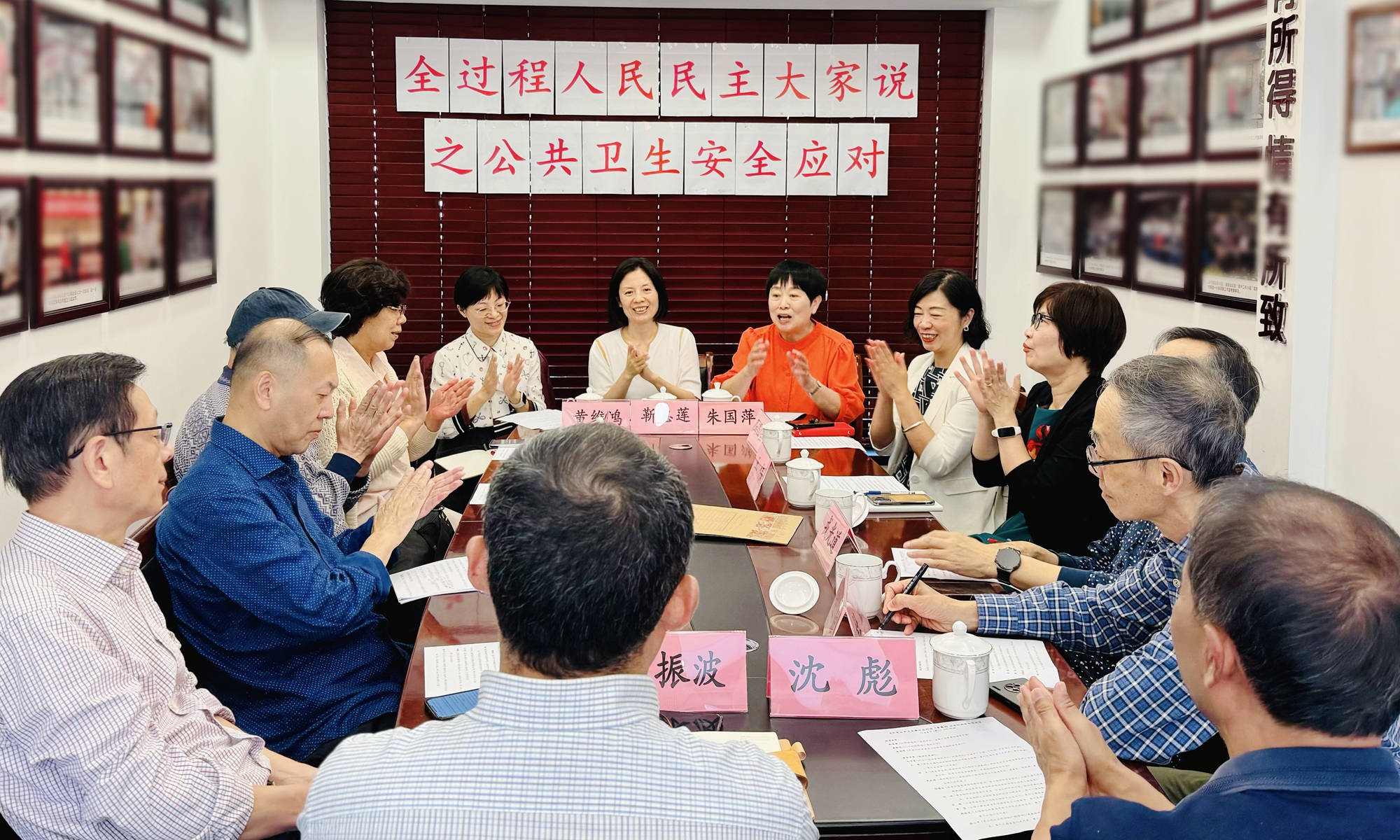
To offer global audiences deeper insights into Xi Jinping: The Governance of China and the key concepts it contains, including perspectives on development, civilization, security, human rights, ecology, international order, and global governance, the Global Times is launching the "Decoding the Book of Xi Jinping: The Governance of China" series. Through themed columns such as "Scholars' Perspectives," "Translators' Voices," "Practitioners' Insights," and "Readers' Reflections," this series will feature perspectives from Chinese and international scholars, translators of the work, practitioners of its concepts, and overseas readers. It aims to share what they have seen and understood about China's philosophy, values, and wisdom through the book. This is the first installment of the "Practitioners' Insights" column, which narrates how a grassroots legislative outreach office in Shanghai channels the voices of ordinary citizens to the nation's highest legislative body, acting as a vital mechanism for advancing whole-process people's democracy.
For the first installment of the "Readers' Reflections" column, we invite Zoon Ahmed Khan, a Pakistani researcher and journalist based in Beijing, to share her insights from reading the volume 4 of the book and her perspective on China's democratic system.
The main advantage of the whole-process people's democracy is that decision makers are aware of the specific necessities of the people at the base of social organization, and can therefore design specific policies to meet the specific needs of the people. People are effectively in charge of democracy.
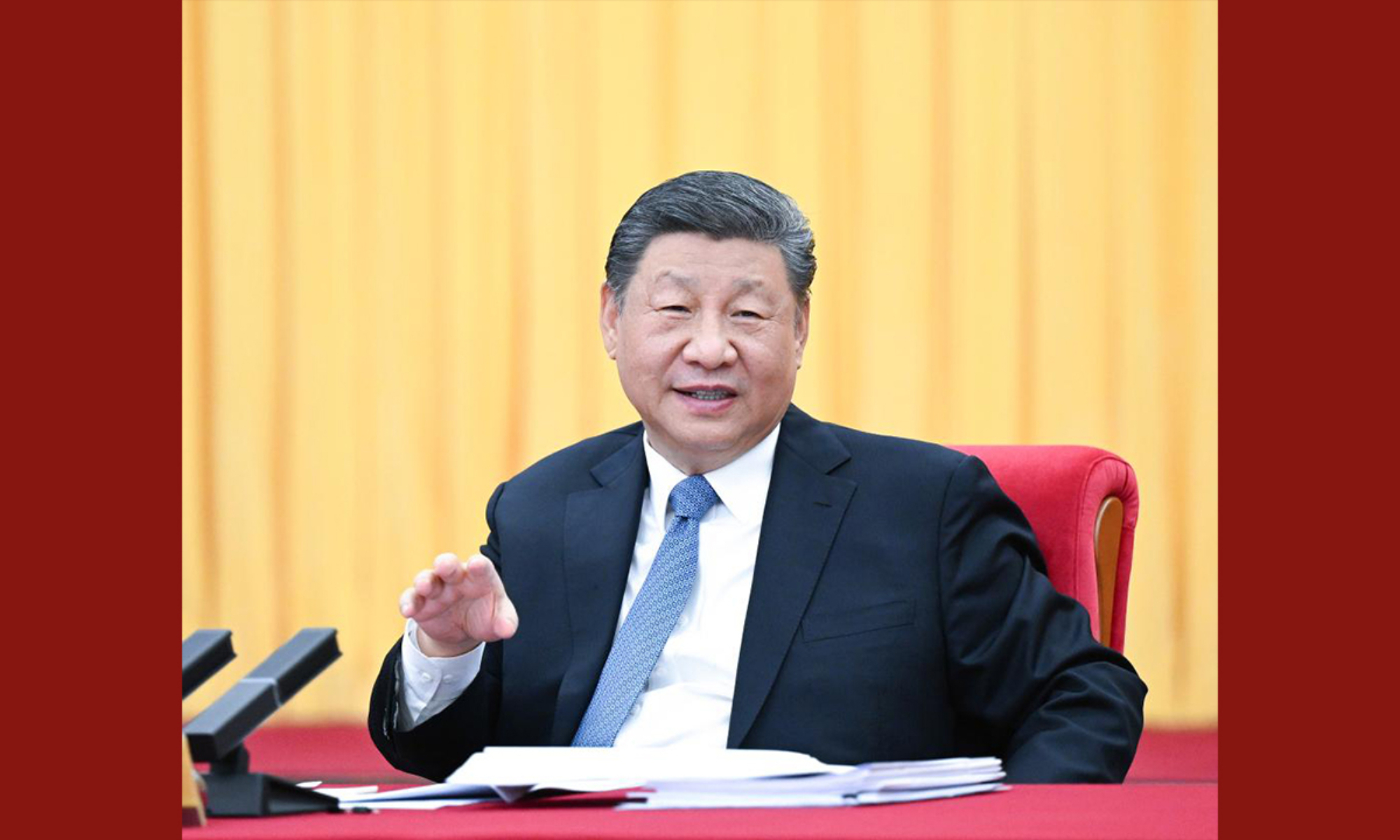
Chinese President Xi Jinping, also general secretary of the Communist Party of China (CPC) Central Committee and chairman of the Central Military Commission, visited national political advisors from the China Democratic League, the China Association for Promoting Democracy, and the sector of education, who are currently attending the third session of the 14th National Committee of the Chinese People's Political Consultative Conference (CPPCC) in Beijing on Thursday. Xi attended their joint group meeting, and heard their comments and suggestions.
Chinese President Xi Jinping, also general secretary of the Communist Party of China Central Committee and chairman of the Central Military Commission, took part in a deliberation with fellow lawmakers from Jiangsu during the third session of the 14th National People's Congress (NPC) in Beijing, on March 5, 2025. This marks the third consecutive year that Xi has taken part in a deliberation of this delegation since 2023.
President Xi Jinping on Thursday visited national political advisors attending a joint group meeting at the third session of the 14th National Committee of the Chinese People's Political Consultative Conference.
Q: Is democracy only represented by “one person, one vote”? A: "Democracy is reflected in all aspects of rural life in China, and the village collective economy is a vivid embodiment of this. I spend every day with the villagers, and we fully trust and respect each other," said Xie Jiarong, the Party chief of Danitang village