Guided by the concept of jointly building a community of shared future in cyberspace and through collective action, the world will cooperate to move toward a new stage of digital civilization characterized by shared opportunities, shared responsibilities and shared value creation.
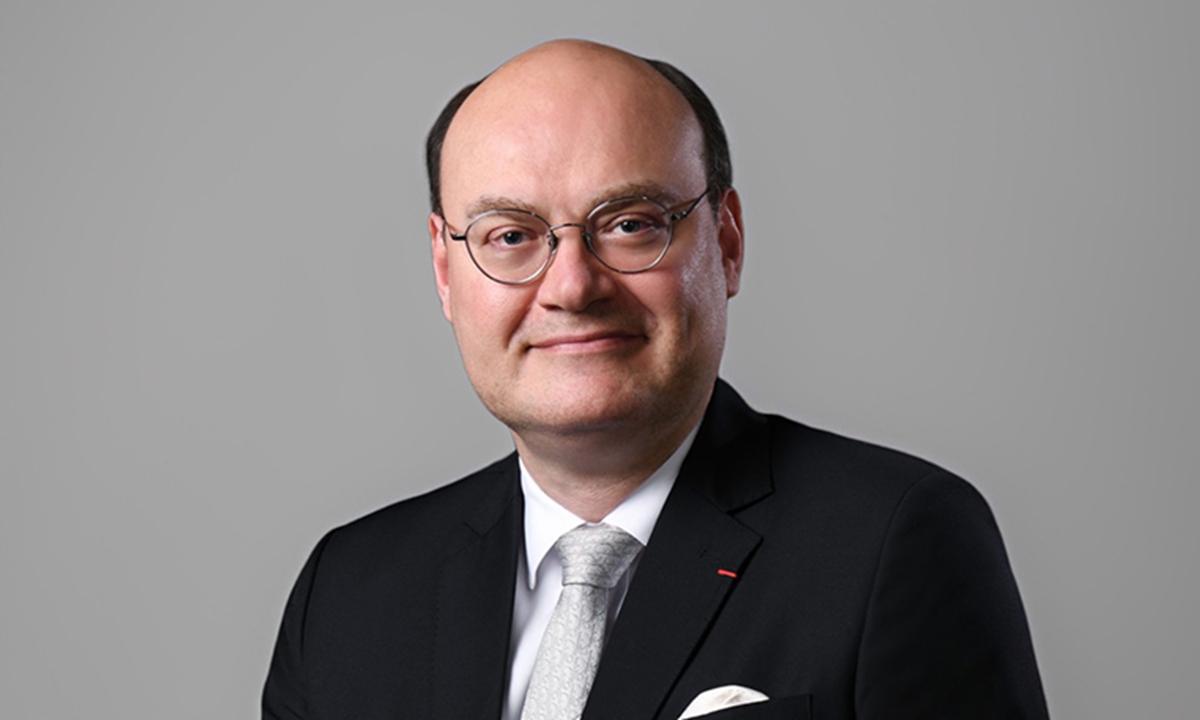
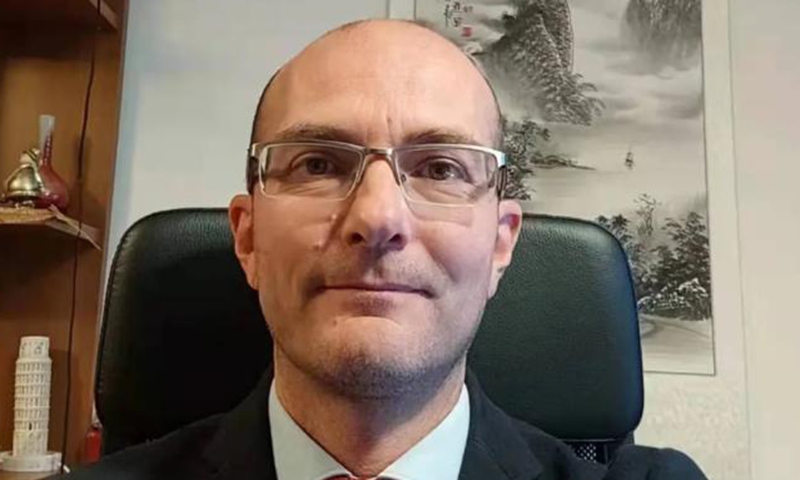
In the 16th article of the "Readers' Reflections" column, Global Times reporter Ma Jingjing talked to David Gosset, chairman of DG2CI and founder of the China-Europe-America Global Initiative, who shared his insight into the concept of "jointly building a community of shared future in cyberspace" and the implications of this concept for and China's contributions to global cyberspace governance.
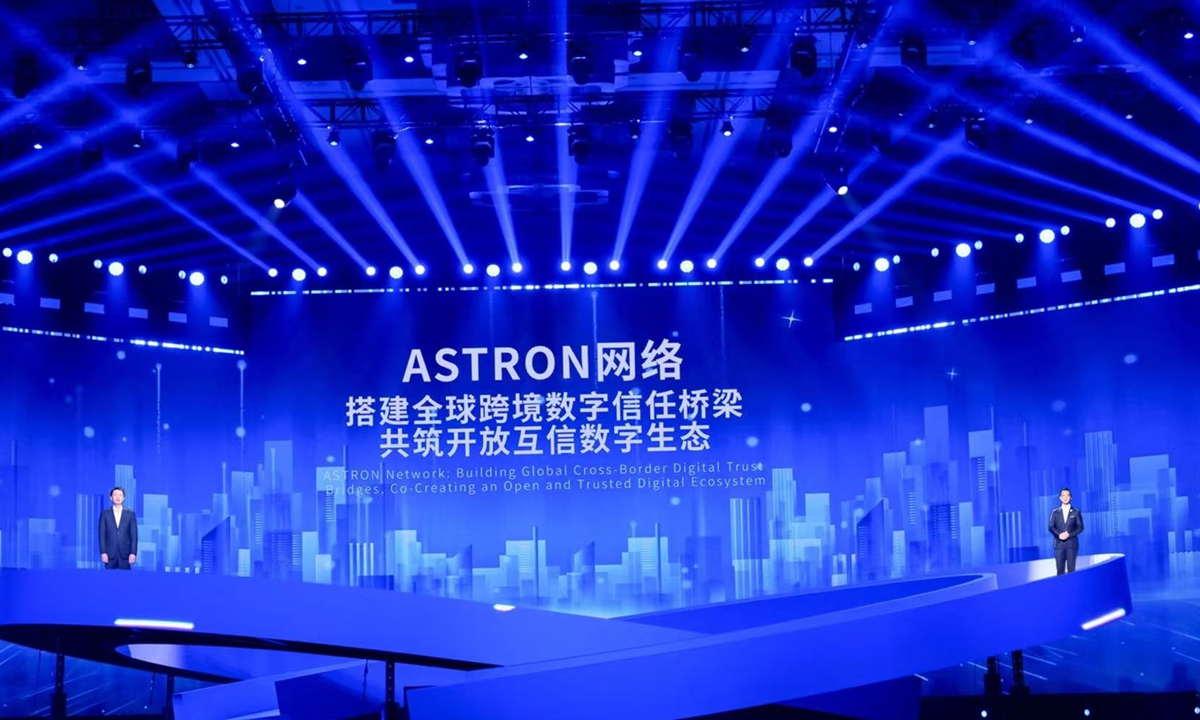
In the 15th installment of the "Practitioner's Insights" column, the Global Times turns its focus to a project named "ASTRON Network." During this year's WIC, ASTRON was selected as an outstanding case of Jointly Building a Community with a Shared Future in Cyberspace. The project has joined hands with partners across countries and regions to erect a cross-border digital bridge, which links disparate economies and enables the secure, efficient flow of data and information.
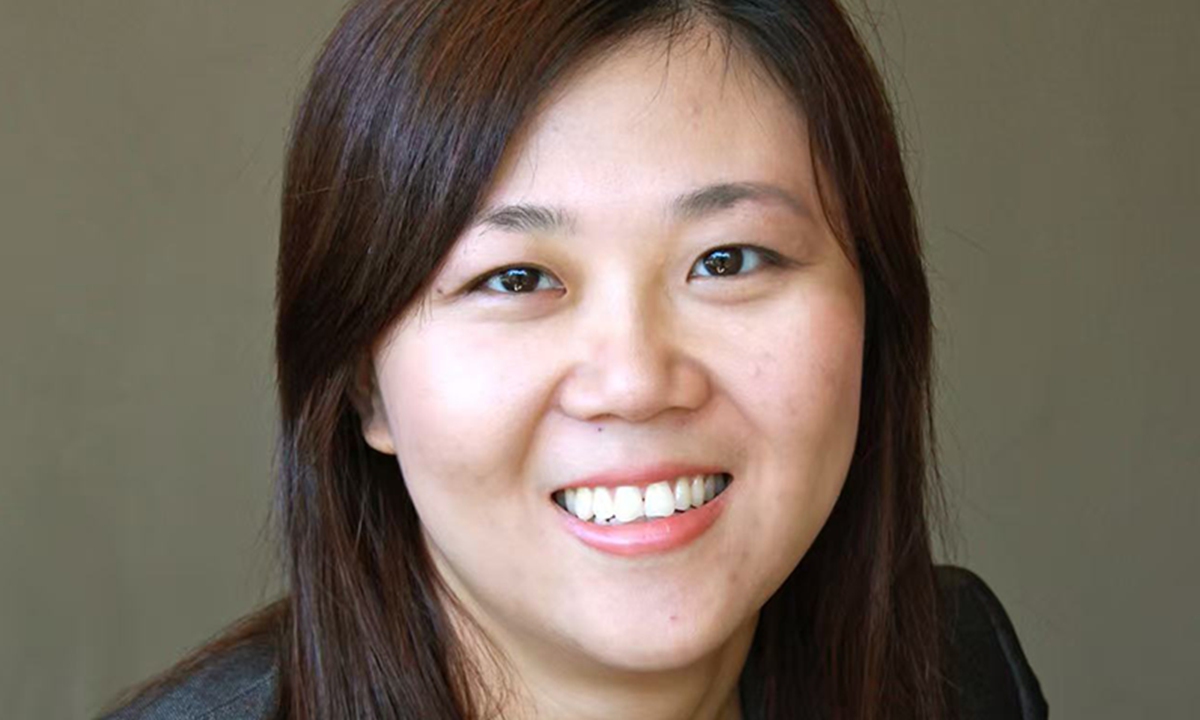
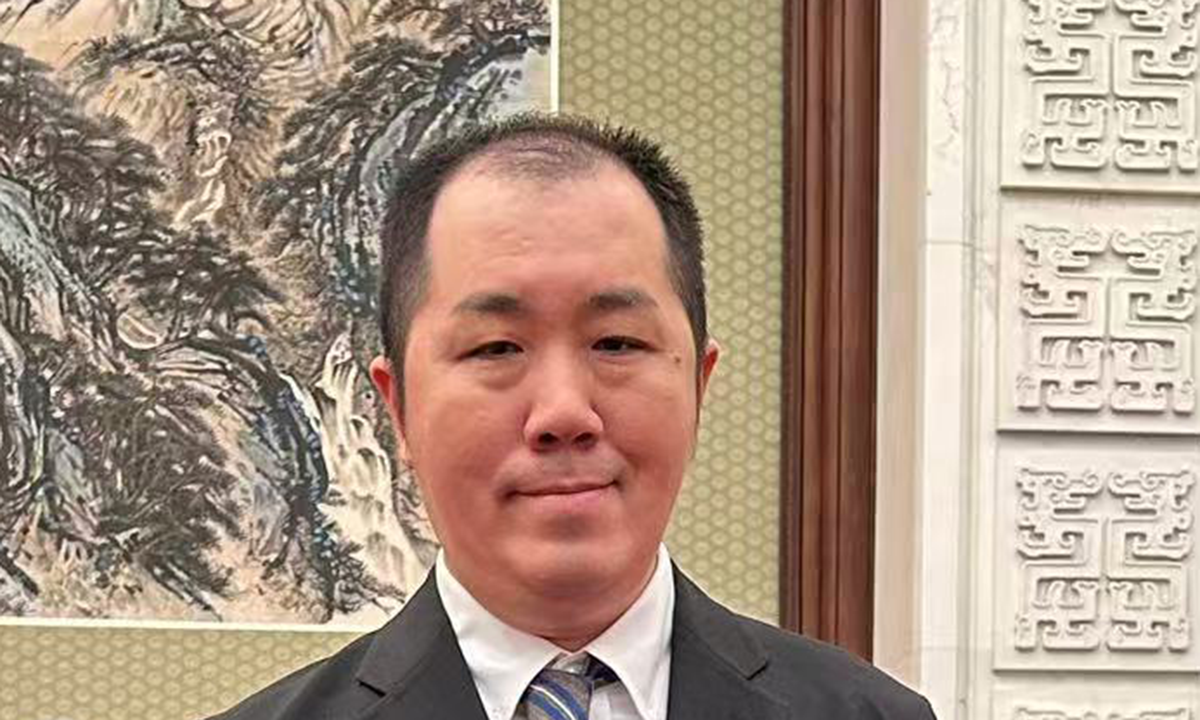
In the 14th article of the "Scholars' Perspectives" column, the Global Times talked to Professor Hong Yu (Hong), Associate Dean of the School of Media and International Culture and the Director of the Institute of Communication Research at Zhejiang University.
Editor's Note: In the fifth installment of the "Decoding the Book of Xi Jinping: The Governance of China" series, the Global Times, along with People's Daily Overseas Edition, focuses on the theme of "practicing the philosophy of technology for good purposes and polishing China's new name card in scientific and technological innovation." We continue to invite Chinese and international scholars, translators of the work, practitioners of its concepts, and overseas readers to share their insights, understandings and reflection on China's philosophy of science and technology development and international cooperation.
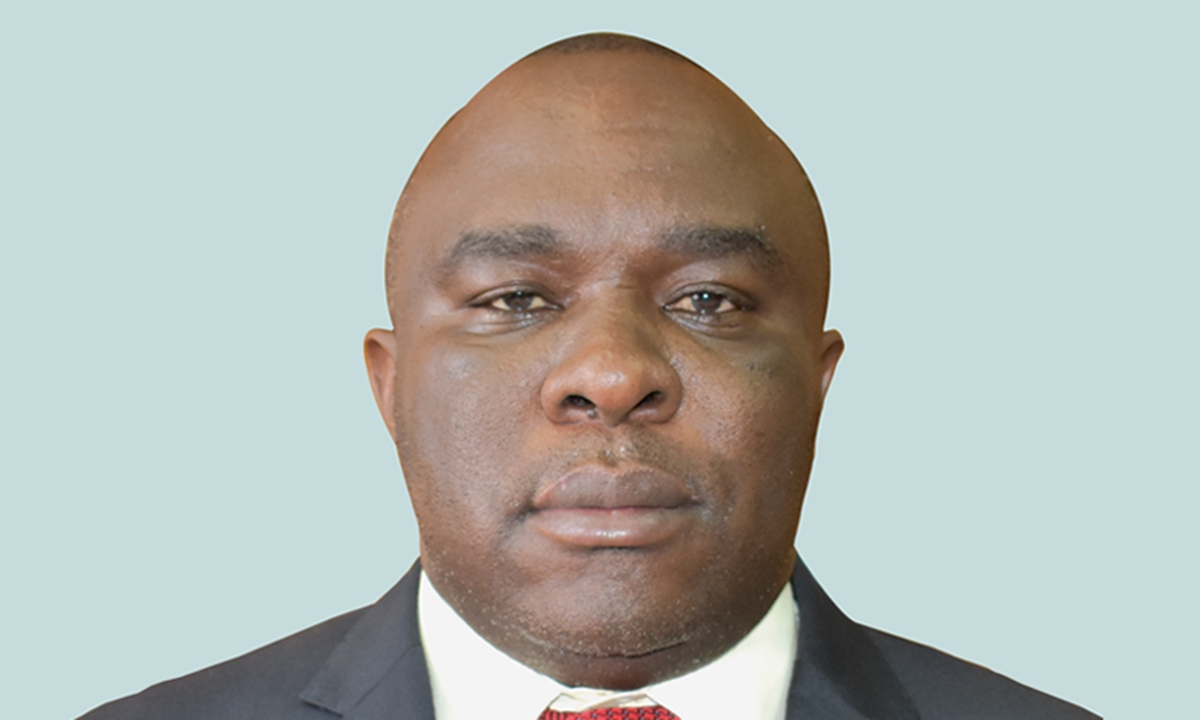
In the fifth article of the "Readers' Reflections" column, Global Times (GT) reporter Ma Tong talked to Fabio Massimo Parenti (Parenti), an Associate Professor of International Political Economy at the China Foreign Affairs University, and a scholar of international studies at the Italian International Institute Lorenzo de' Medici.
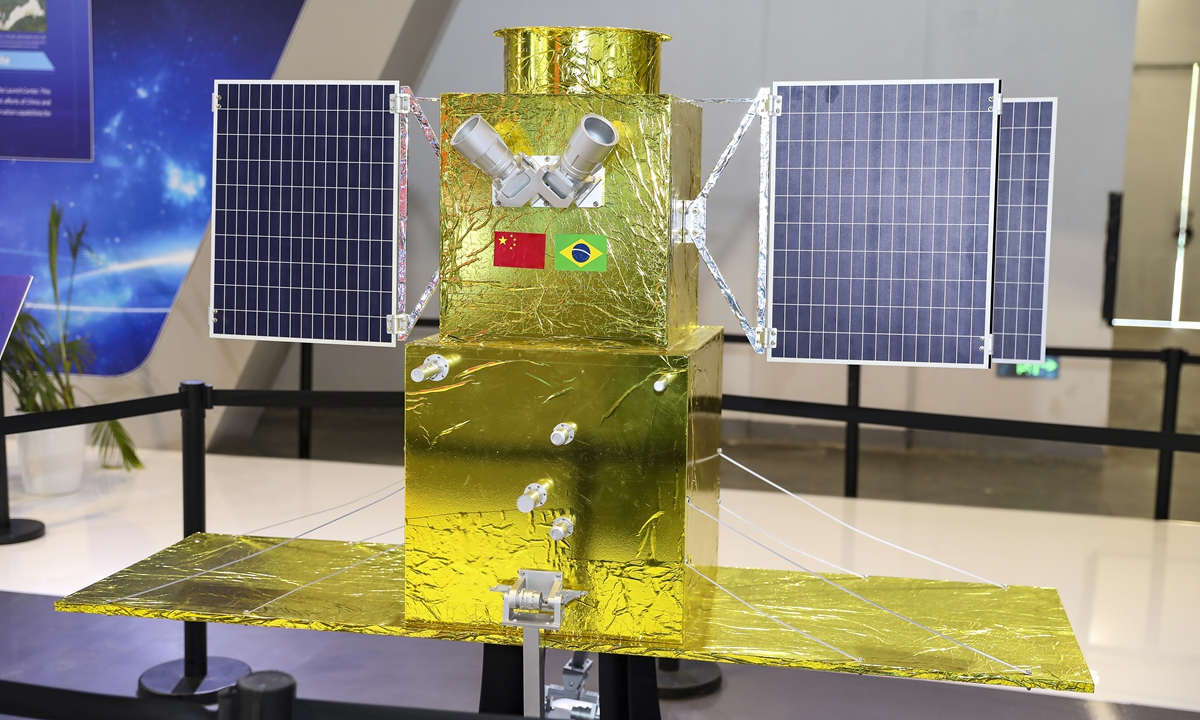
This is the fourth story of the "Practitioners' Insights" column, in which the Global Times exclusively interviewed the China-Brazil Earth Resource Satellite (CBERS) project scientific research team members. Their experiences showcase China's responsibilities in scientific and technological development: Continuously enhancing independent innovation capabilities and always adhering to the philosophy of technology for good purposes.
Science and technology know no borders — they can bring benefits to the entire world and help address global challenges. China has consistently emphasized contributing to the world through “Chinese wisdom” and “Chinese solutions,” and it has put this philosophy into practice. There is no doubt that the path China is taking — one that respects the idea that science and technology respond to the call of the times and have a global impact — is the right path for today's world.
In the fourth article of the "Scholars' Perspectives" column, which comprises interviews with and signed articles from renowned scholars across various countries, Global Times (GT) reporter Liu Caiyu and Chen Qingqing talked to Zhang Linghan, a professor from China University of Political Science and Law who is also a member of the UN High-Level Advisory Body on Artificial Intelligence.
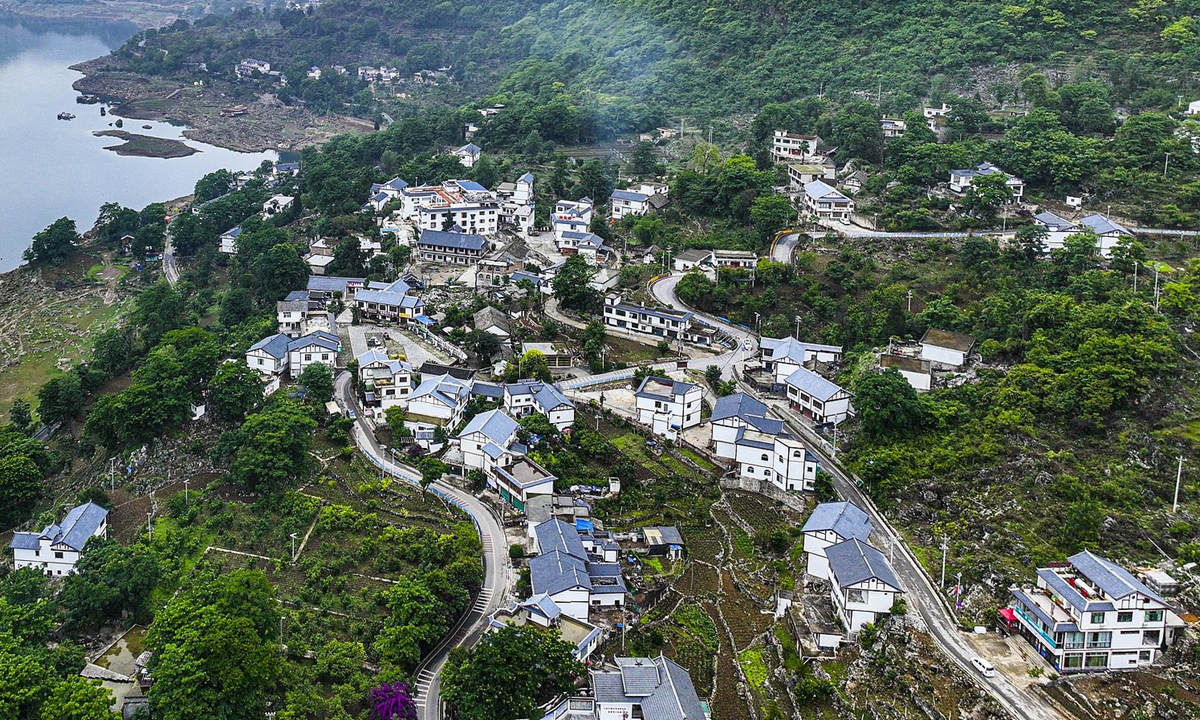
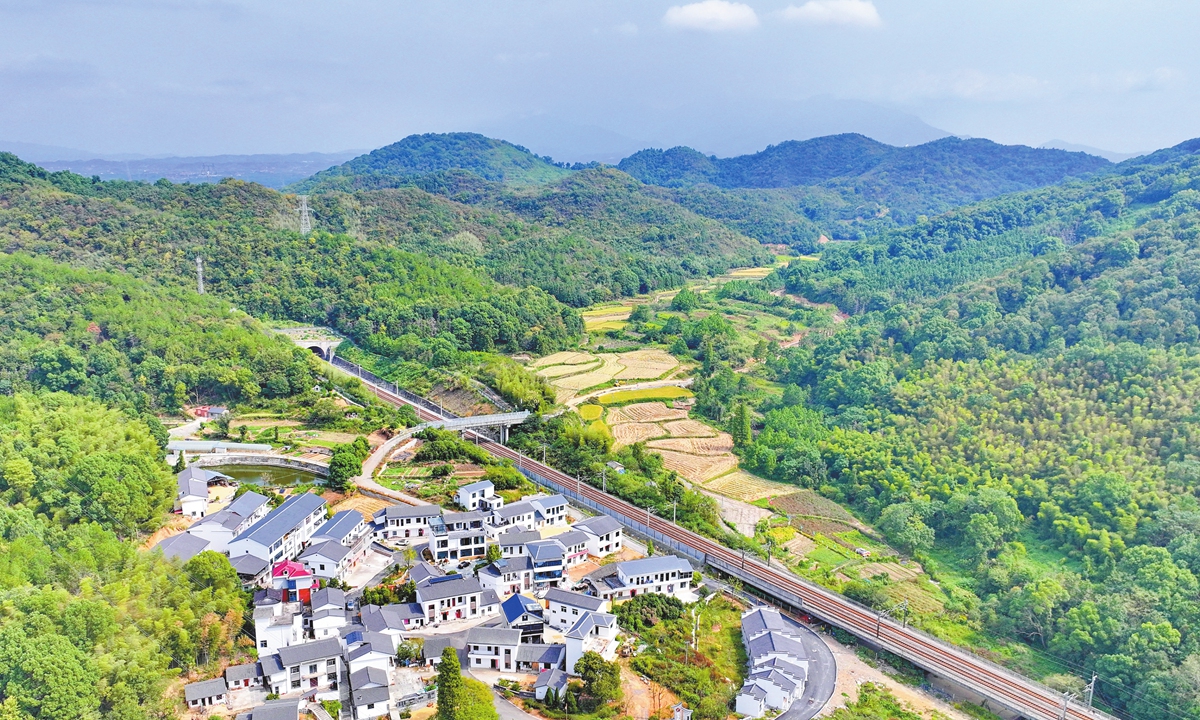
Chinese President Xi Jinping, also general secretary of the Communist Party of China Central Committee and chairman of the Central Military Commission, has repeatedly emphasized the importance of rural revitalization when attending deliberations and group meetings with different delegations and political advisors during the "two sessions" over the years.
The Global Times solicits opinions from four foreign experts who have visited China's rural areas and are dedicated to China's rural development.
Global attention will turn to Beijing as the "two sessions," the annual meetings of China's top legislature and the top political advisory body, commence. This gathering serves as a critical platform where the people's voices will be heard by policymakers, while the country's development priorities will be discussed.
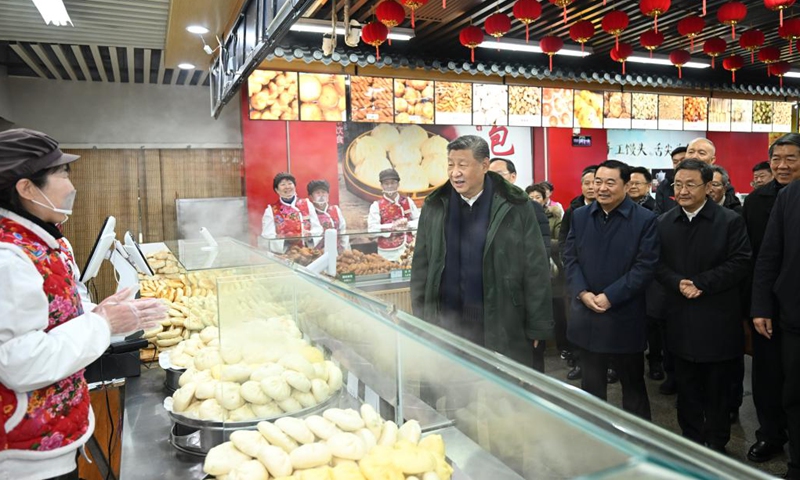
As the Year of the Snake draws near, Xi Jinping, general secretary of the Communist Party of China (CPC) Central Committee, on Thursday inspected Shenyang, capital city of Northeast China's Liaoning Province. Xi made the trip to the city shortly before the Spring Festival, the most important festival for the Chinese people, which falls on January 29 this year.
Always keeping the safety and well-being of the people in mind, before the Spring Festival, the most important festival for the Chinese people, Xi's visit not only warmed people's hearts, but also conveyed strong confidence.
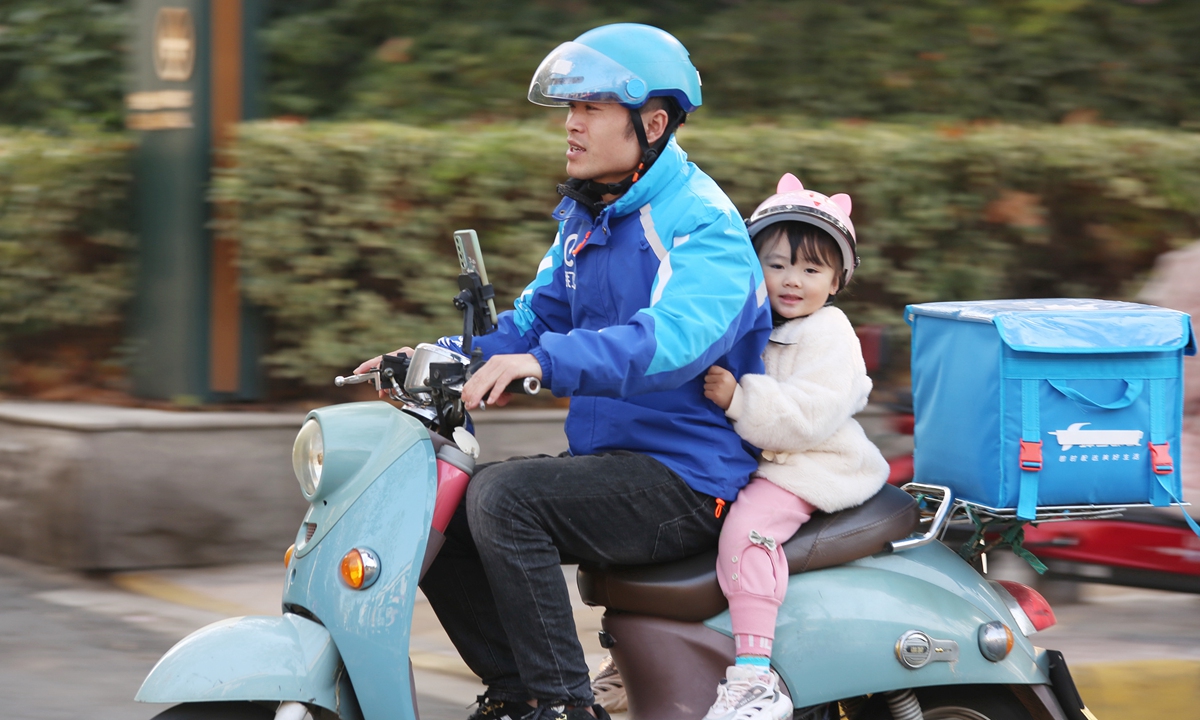
This is the third installment in the series. It shares how a delivery worker in Changzhou, Jiangsu Province, settled down in the big city through the joint efforts of government and family. This narrative illustrates how the Chinese government strives to build a harmonious society where people can live “a better life.”