Who is to blame for the repeated 'difficult birth' of US AI data centers?: Global Times editorial
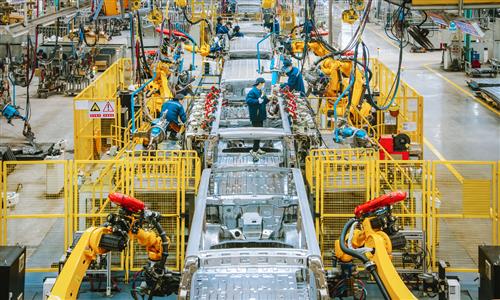
If the US wishes to resolve its current predicament regarding power shortages, the only viable path is to abandon its fixation on unilateralism and return to a course that respects economic laws, adheres to the principles of comparative advantage, and seeks mutual benefit through open cooperation.

The war in Iran has provided the world with a window into what awaits hegemonic powers if they fail to keep pace with global progress. The fate of NATO is no exception.
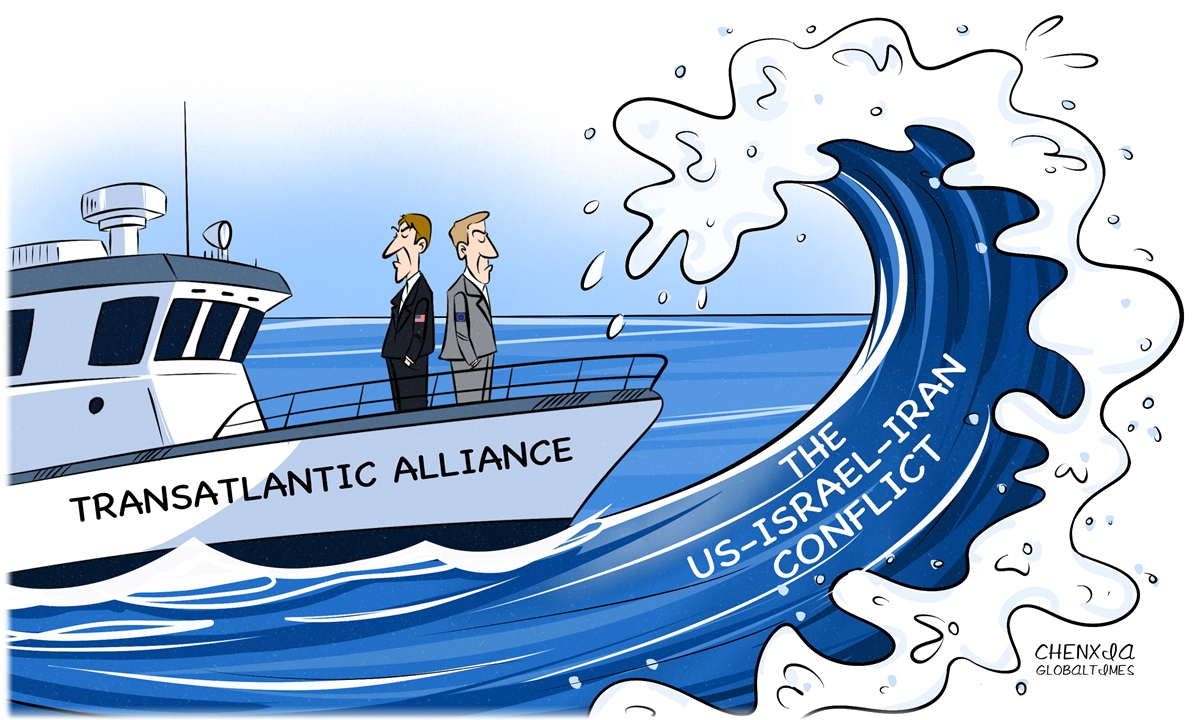
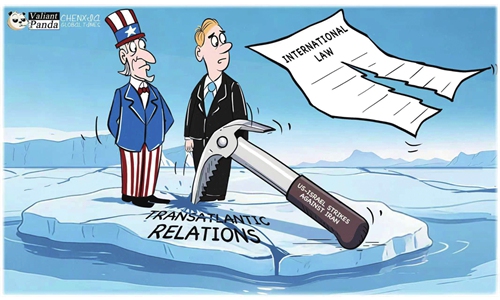
The deep contradictions that have always existed but were previously hidden between Europe and the US have now come to light, most recently in the US-Israel war against Iran. The disparity between the economic and geopolitical interests of the EU and the US can no longer be denied, says a German MEP.
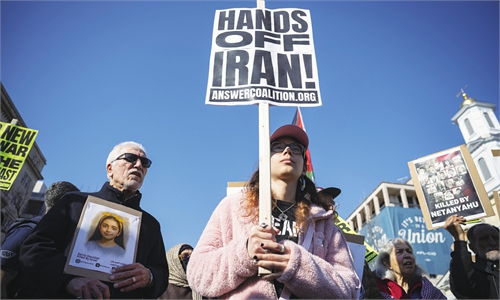
The US government is being run in the interests of those private elites that are making the most money out of the way the system operates now. And that's why we keep seeing the US time after time going into ...

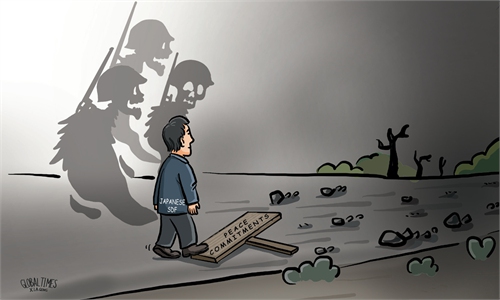
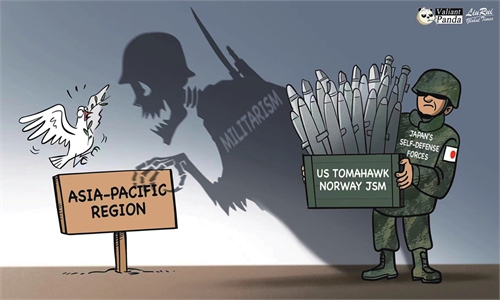
Despite slack discipline and mismanagement, the SDF is being endowed with expanded combat capabilities and operational authority. This dangerous combination is unavoidably reminiscent of Japan's actions on the eve of World War II.
There is a general consensus among Japanese scholars and the public that Japan's most prudent course of action is to formally apologize for the SDF officer's intrusion into the Chinese embassy and to take this opportunity to resume dialogue with China. If Japan really seeks to pursue a path of creating peace, dialogue with neighboring Asian countries is indispensable.
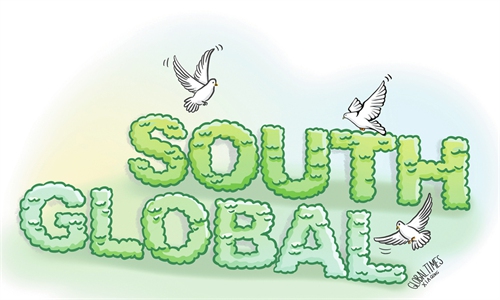
In a chaotic world, the Global South is building a model of navigating complex diplomatic, economic and strategic interests toward a society that promotes peace, cooperation and friendship.
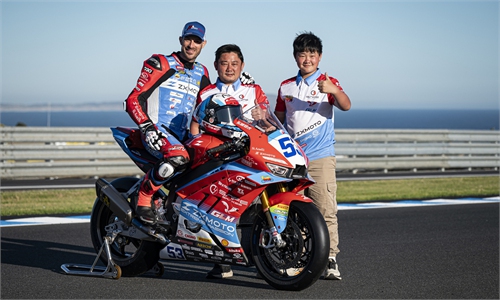
With the foundation of China's innovation system and the combined strengths of government and market forces, Zhang Xue's passion will ignite the dreams of more entrepreneurs, and the breakthrough achieved by ZXMOTO will be merely the prelude to the surging tide of innovation sweeping across China.
This victory not only reshapes the competitive landscape but also vividly illustrates China's advance toward high-end manufacturing.
In the everyday connections built through a packet of candies, a meal or a cup of tea, China's image can truly enter others' sensory experiences, social scenes and life memories – becoming something tangible, approachable and vibrant.
If China's 15th Five-Year Plan succeeds in pairing innovation with openness, and if partners in Europe and more rational sectors of American society are serious about deepening cooperation, then the coming years could help preserve the idea that science and industry are part of humanity's shared inheritance.
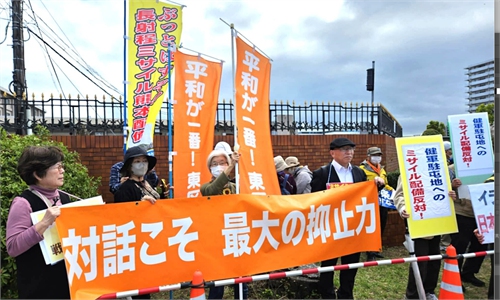
The deployment of long-range missiles threatens the right to peaceful existence of people in Asia, including Japan, and clearly violates the principle of “exclusively defense-oriented” policy, thereby making it unconstitutional. Japanese politicians should reflect on the history of past wars of aggression and uphold the constitution: Kumamoto resident
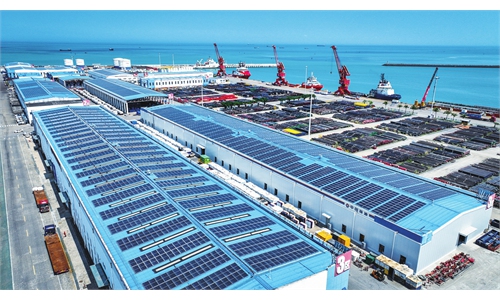
Hainan has been actively learning from internationally recognized free trade ports such as Hong Kong, Singapore and Dubai, while pursuing complementary strengths and deeper cooperation with them.
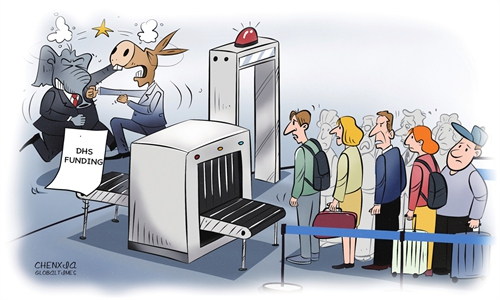
The consequences of prolonged shutdowns extend far beyond delayed flights and unpaid wages. Over time, prolonged shutdowns contribute to a growing sense of social frustration and instability. How can people trust the US when its political activity is characterized by “destruction” rather than “construction”?
Whether Manila can create the necessary political atmosphere for bilateral oil and gas cooperation will serve as a litmus test for its sincerity in collaboration.
Misreading, smearing and deliberately ignoring China's self-image and the debates within China about its continued political and social reforms is not a danger to China; it's a threat to the West itself.
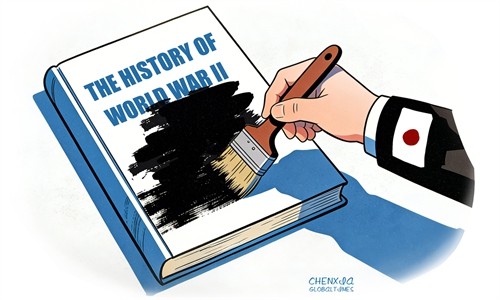
History cannot be rewritten by silence, nor can responsibilities dissipate through evasion. The break-in by an active JSDF member armed with a knife has torn apart the fig leaf covering Japan's accelerating rightward shift, flawed historical education and lack of accountability.
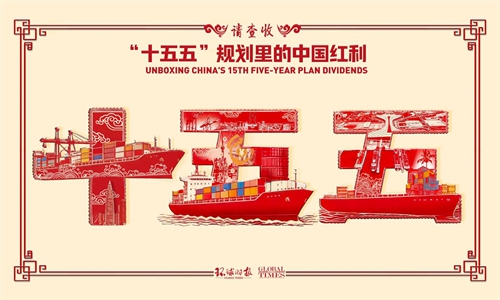
The 15th Five-Year Plan is a proper democratic process in which wisdom is respected, said chairman of 48 Group Club.
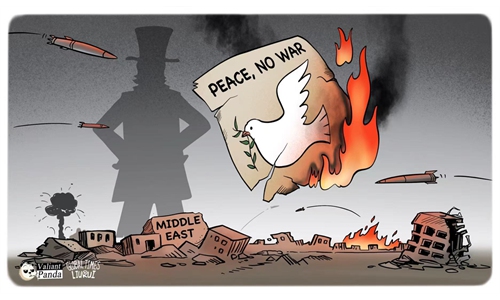
The US and Israeli attempt at a “swift and decisive victory” has now collapsed, and the consequences of reckless military intervention in the Middle East are becoming increasingly evident.
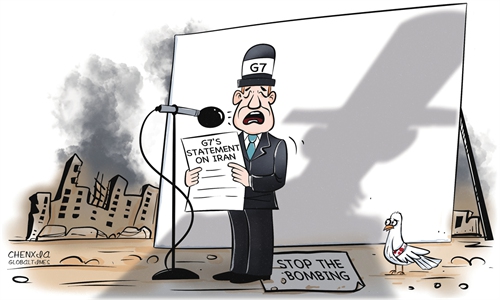
The recent G7 joint statement on Iran is flawed. Such statements don't stop wars; history proves this. What the declaration serves is the G7's reputation management.
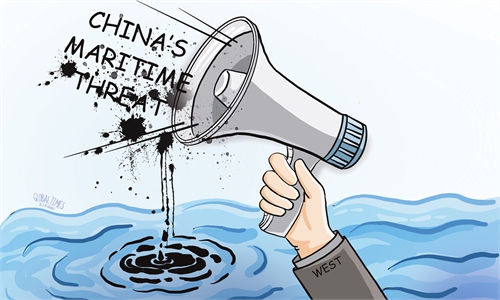
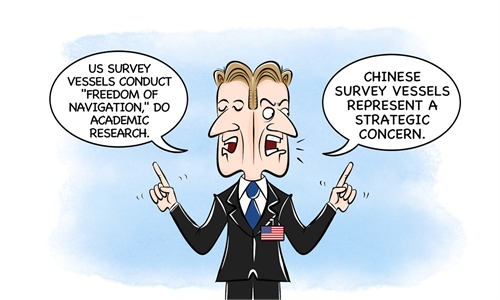
Marine scientific research is a common endeavor for all humanity. China's active pursuit of marine scientific research, conducted in strict compliance with international law and customary practices, is not only entirely legitimate but also holds significant importance for enhancing global marine knowledge, addressing climate change, and promoting sustainable marine development.
A formal apology is not an extra requirement, but the minimum obligation.
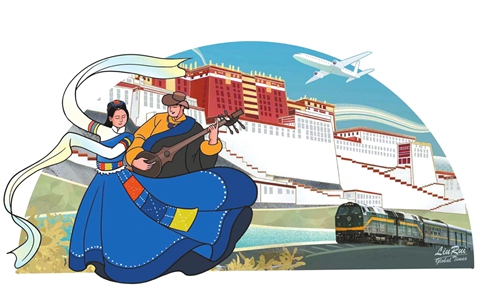
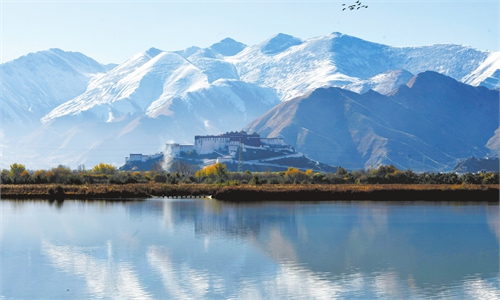
Centered on forging a strong sense of community for the Chinese nation, the national support for Xizang region's development has formed a closed-loop implementation system spanning ideology, policy and practice, delivering all-round outcomes.
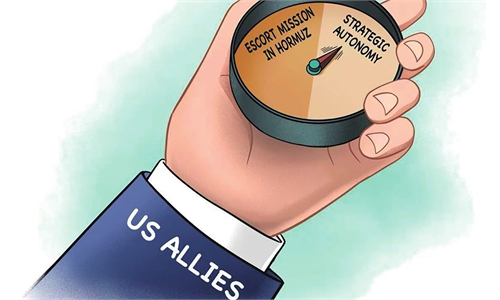
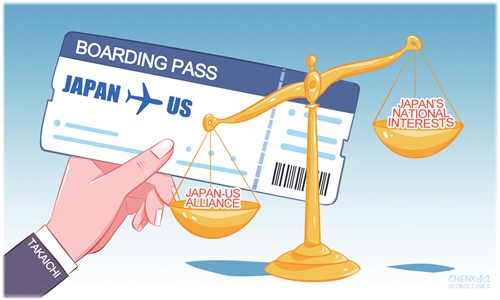
The choice of “escort or not” has become an unsolvable diplomatic challenge, reflecting Japan's awkward position in the alliance.
In the face of this extremely vicious embassy intrusion, the Japanese side should not think for a moment that it can get away with it in the eyes of the international community.
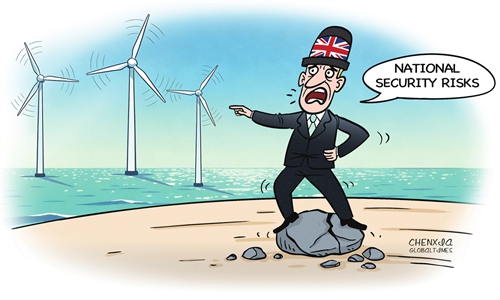
What turns the blades of offshore wind farms is not just the wind, but also the principle of win-win cooperation.
What does it mean to govern well, and how should governance performance be gauged? The CPC' answer is that a correct view on governance performance should proceed from reality, respect objective laws, and, through sound decision-making and hard work, create achievements that withstand the test of practice and history, truly benefit the people, and earn public recognition. To examine the distinctive logic and global relevance of the CPC's correct understanding of governance performance, the Global Times (GT) launches a new series, "Understanding the correct view on governance performance," inviting leading international observers to share their thoughts.
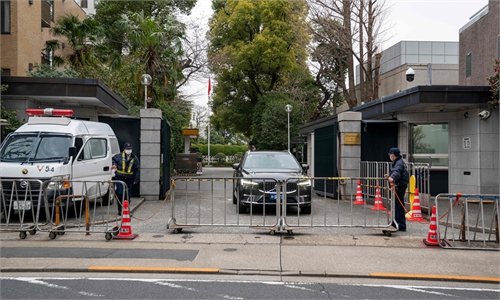
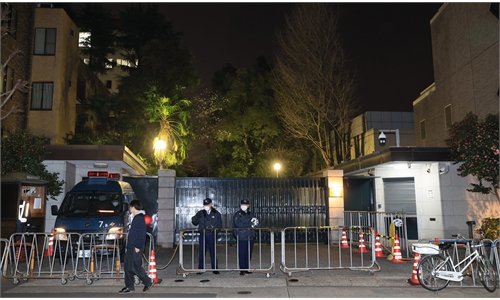
On March 24, a sitting officer of Japan's Self-Defence Forces, scaled the wall and broke into the Chinese embassy with a knife with a 18-centimeter-long blade, threatening to kill Chinese diplomats. This is an extremely rare, incomprehensible, and deeply shocking incident.
The Boao Forum for Asia Annual Conference 2026 is taking place from March 24 to 27 in Boao, South China's Hainan Province. In contrast to the "gunfire" and "missiles" that have dominated recent headlines, the words most frequently echoed at the Conference are "opportunities" and "cooperation" - sketching an alternative narrative of peace and development amid a turbulent global landscape.
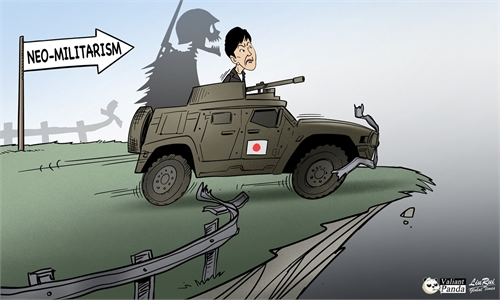
The reckless actions of far-right forces in Japan are not only self-destructive but also pose a serious threat to regional and global peace. This year marks the 80th anniversary of the commencement of the Tokyo Trials, offering Japan yet another opportunity for reflection. Should the Japanese government persist in its course toward “neo-militarism,” it will inevitably face firm resistance from the judgment of history once again.
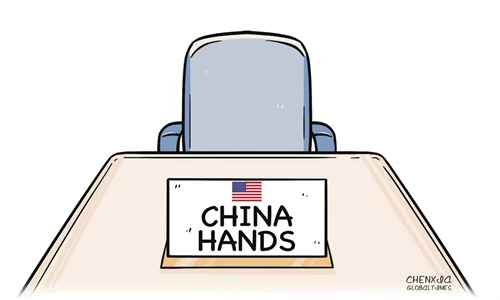
Only when "seeing what's happening in China" becomes action rather than advice can US decision-makers shed arrogance, correct biases, and recalibrate their perceptions through direct engagement.
The giant vessel of Chinese modernization, carrying the dreams of over 1.4 billion people, has gained the immense strength to weather storms and sail steadily into the future precisely through the process of overcoming one technological challenge after another and forging emerging industrial clusters one by one.
As the US-Israel-Iran conflict escalates in the Middle East, more people who yearn for peace and stability are working hard to build consensus in a world torn apart by war. In early March, we attended the 13th Baku Global Forum in Azerbaijan. What struck us most directly and powerfully was the deep anxiety about the current global situation and the urgent need for the world to forge an unprecedented consensus for peace. Whether in plenary speeches or closed-door discussions, almost every participant conveyed the same profound concern - the world now stands at a critical crossroads, and established norms and order are collapsing.
A Reuters investigation published recently opens with a vessel cutting through the Indian Ocean. The ship is the Dong Fang Hong 3 - "The East is Red" - a research vessel operated by Ocean University of China. According to Reuters, the ship spent 2024 and 2025 sailing back and forth in the seas near China's Taiwan island and the US stronghold of Guam, mapping the ocean floor, measuring water temperature and salinity, and tracking currents.
Japan must promptly investigate the incident, severely punish the perpetrator, and implement effective measures to ensure the absolute safety of Chinese diplomatic missions and personnel in Japan, providing a responsible account to China and the international community.
Where have all the American China experts gone? This question surfaced in The Washington Post in early 2024, and two years later, it remains unanswered as the issue intensifies.
The seeds of wrongdoing will inevitably bear dangerous fruits.
For two centuries, US policy toward Latin America has contradicted its democratic rhetoric by subordinating regional sovereignty to strategic interests. US scholar Stephen Walt's "predatory hegemony" describes how Washington now treats allies and rivals alike as instruments for short-term advantage rather than partners in a cooperative international order.
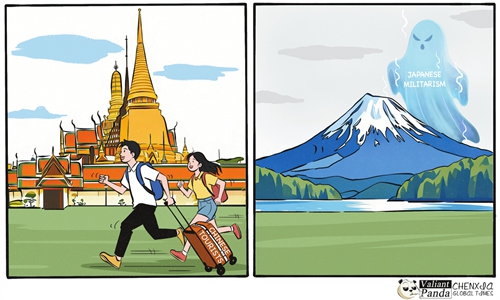
At the beginning of the 21st century, Japan formally proposed its "tourism nation" strategy and enacted the Tourism Nation Promotion Basic Law in 2006, aiming to develop tourism into a pillar industry of the national economy. Subsequently, driven by the Japanese government's efforts and factors such as the depreciation of the yen, the number of foreign visitors to Japan continued to rise. Among them, Chinese tourists showed a steady upward trend, significantly contributing to Japan's tourism sector and many related industries.
It is time for certain EU think tanks and experts to wake up and refrain from offering misguided advice that could harm broader interests.
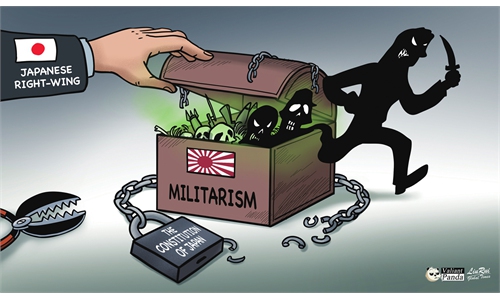
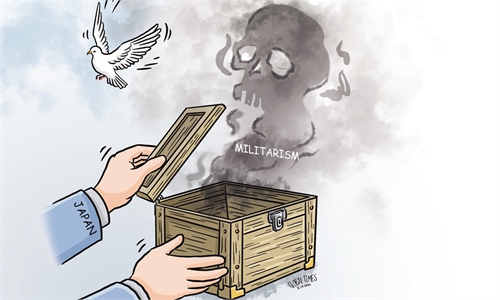
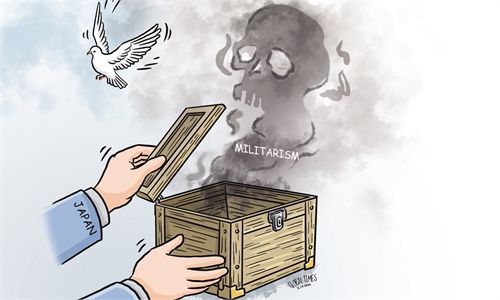
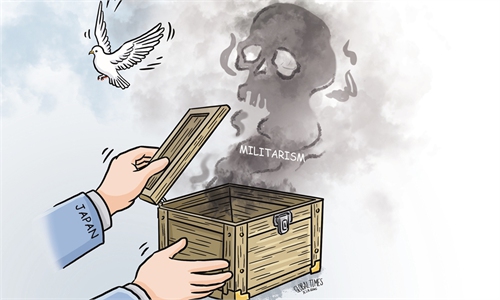
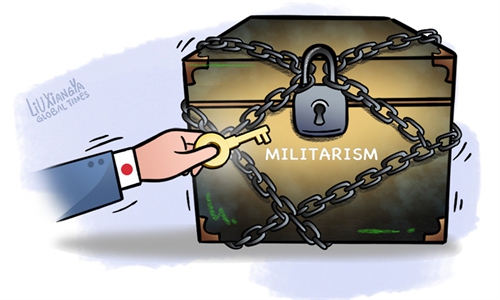
Japan's neo-militarism is no longer merely a dangerous sign, but a real threat.
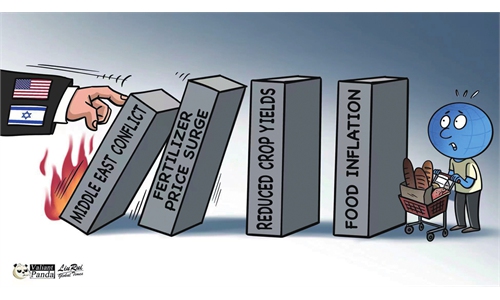
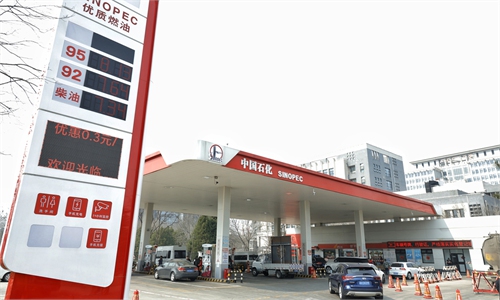
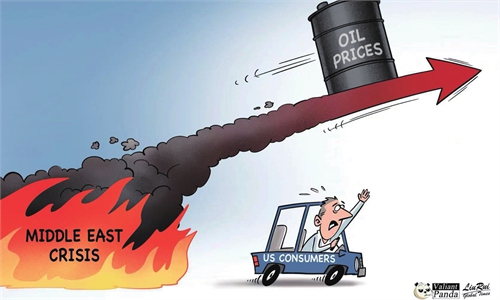
In recent days, heightened tensions in the Middle East have driven a sharp surge in global oil prices, with impacts felt worldwide. How a country responds to soaring oil prices not only tests the resilience of its economic development but also reflects its value priorities in handling crises.
We advise De Wever and others that instead of being mired in biases and outdated rhetoric when making remarks about China, they should embrace greater strategic clarity and policy honesty, and think carefully before taking action.
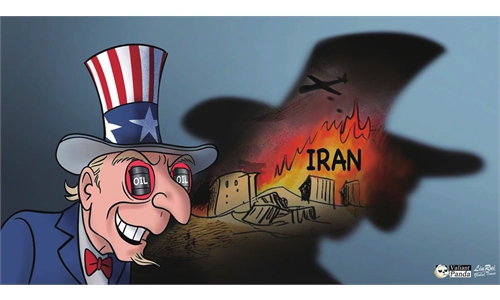
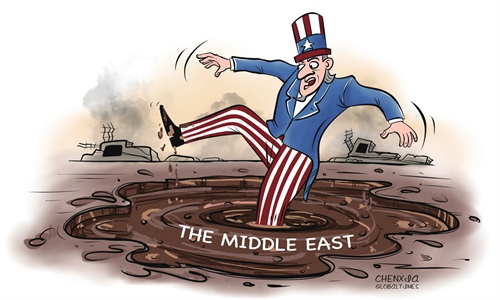
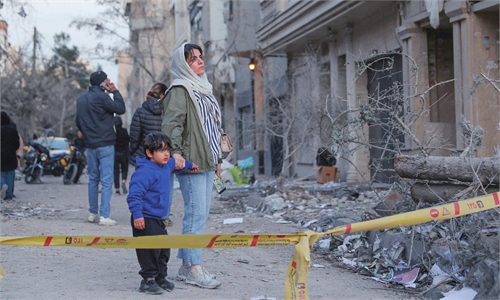
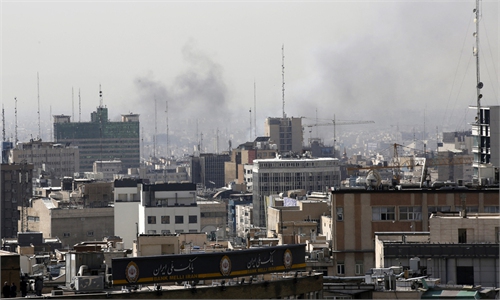
The US-Israel war against Iran has entered its fourth week. What began as lightning "decapitation strikes" aimed at quick victory is turning into a full-scale quagmire.
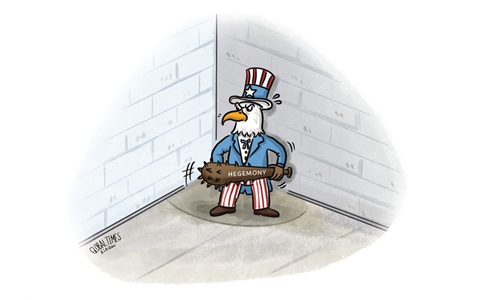
Stripping away the gaudy veneer of the US "freedom" and "democracy" reveals a predatory essence that treats the world as its hunting ground and wields hegemonic power as its blade. This "predatory hegemony" - as US scholar Stephen Walt contended in a February article in Foreign Affairs - uses Washington's privileged position to extract concessions, tribute and displays of deference from both allies and adversaries alike, pursuing short-term gains in what it sees as a purely zero-sum world.
The US-Israel-Iran conflict has entered its fourth week. In terms of intensity, scope and willingness, it has shown a clear trend of escalation. The situation is undergoing a dangerous shift from "manageable confrontation" to "high-risk escalation out of control," posing substantial challenges to regional security and global stability - especially as multiple strikes have been launched near nuclear facilities.
This year marks the 80th anniversary of the beginning of the work of the International Military Tribunal for the Far East, commonly known as the Tokyo Trials. From 1946 to 1948, the Tribunal held collective trials of Class-A Japanese war criminals from WWII in Tokyo. Following the Nuremberg Trials, it represented another large-scale, multinational trial for war crimes. After two and a half years of hearings, judges from 11 nations found all 25 defendants guilty.
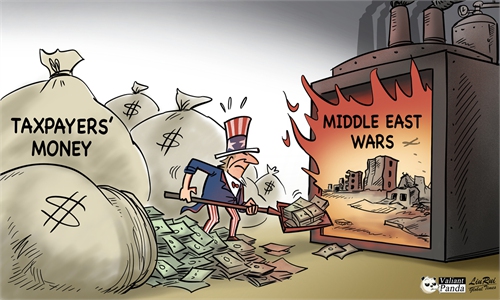
The US is wasting taxpayers' money by creating wars and unrest in the Middle East
Many EU industry voices see adapting to China's success, not isolation, as vital for renewed competitiveness.
As global CEOs look eastward to “seek certainty and stability amid uncertainty,” the commitment of the world's second-largest economy to high-level opening-up is becoming increasingly attractive in the context of global economic fragmentation.
In an era marked by ecological challenges, development dilemmas and geopolitical dynamics are increasingly intertwined. Through a series of innovative practices, Chinese modernization offers a “green solution” to some of humanity's pressing questions of survival and development. Rooted in the wisdom of Chinese civilization and refined through Xi Jinping Thought on Ecological Civilization, this approach presents both a philosophical vision and a practical pathway toward sustainable development. In this context, the Global Times (GT) launches the “China through a 'green' lens” series. It invites leading scholars and observers worldwide to decode the underlying logic behind China's green development and to better understand the global implications of China's green development philosophy. Josef Gregory Mahoney (Mahoney), a professor of politics and international relations and director of the Center for Ecological Civilization at East China Normal University in Shanghai, told GT reporter Li Aixin that China's efforts on ecodevelopment “injects predictability into global environmental governance.” This is the first installment of the series.
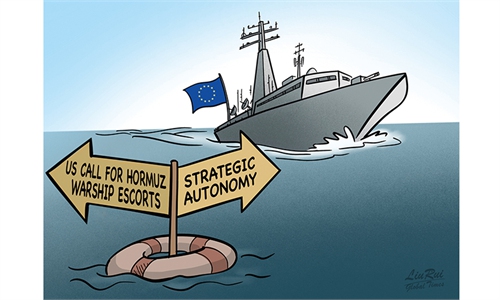
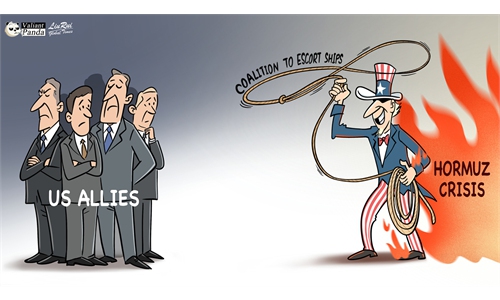
Amid the recent developments surrounding the Strait of Hormuz, the US has continued to press its allies to participate in escort missions, while responses from Europe and other US allies have shown clear caution: They are re-evaluating their strategic choices regarding Middle East issues. The Global Times invited four scholars to share their perspectives, exploring the evolving positions of US allies and the deeper logic behind them.
Recently, a media company unveiled two AI-generated actors on Weibo and cast them as leads in an AIGC drama series, sparking heated debate. Amid growing anxieties that AI may threaten industry viability and squeeze employment opportunities, the topic "netizens boycott AI actors" soared to the top of trending lists - a development that warrants deep reflection from industries and businesses pushing forward with AI adoption.
Takaichi's approach will only send Japan further down the path of decline, and may even turn it into a "landmine" for regional peace and stability. In the end, it is the Japanese people who will suffer most.
Facing history squarely is the prerequisite for safeguarding peace, and thorough reflection is the key to national rebirth. Only by daring to confront its dark past and bravely assuming its guilt can a nation truly win the respect of the international community and embed the ideal of peace into the very fabric of the nation.
Within Europe, discussions about building its own security capabilities and enhancing strategic autonomy are gaining momentum. However, whether this path toward strategic autonomy can be sustained in the long run will ultimately depend on a series of critical choices Europe makes in the future.
If Australia and New Zealand remain trapped in outdated colonial fantasies and continue down the wrong path, they will ultimately miss out on historic opportunities and be reduced to mere pieces on others' strategic chessboards.
European youth's perceptions of China exhibit four distinct characteristics: pragmatism, openness, diversity and rationality. Only through persistent, long-term, nuanced and diversified cooperation and exchange can these stereotypes toward China be effectively mitigated.
The self-reliance being built today is the muscle that will allow China to engage in tomorrow's global economy not as a dependent player, but as a resilient partner capable of weathering the storms of the 21st century. It's a recalibration, not a retreat.
We have been carried along by a carefully constructed narrative language — one that keeps our eyes fixed on buildings, trajectories and strategic objectives, while quietly stepping around the most basic question: Who were the civilians who died?
Japan needs to face up to its historical crimes and earnestly fulfill its international legal obligations to return the looted cultural relics, giving a positive response to the just claims of the people of China and other Asian countries affected.
A China that keeps breaking new ground through innovation is - product by product, story by story - turning "Cool China" from a concept into a reality that more and more people around the world are "maxxing."
China's GDP growth target of 4.5-5 percent for 2026 provides flexibility to address financial risks an structural challenges while maintaining macroeconomic stability.
China's approach to the current Middle East situation is prudent and responsible. Instead of exhausting their energy trying to prove that China has lost ground, Western media would do better to focus on their own countries' affairs and reflect on the responsibility they should bear for the current crisis in the Middle East.
China will continue to work with the international community to resolve differences through dialogue and consultation, and to contribute its efforts toward promoting a ceasefire and achieving lasting peace and stability in the Middle East.
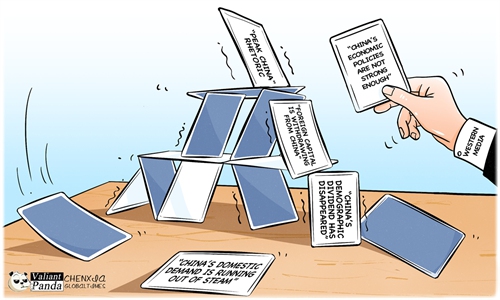
Misreading and distorting the operating logic of a mega-sized economy into a simplistic linear narrative – “when exports thrive, the economy thrives; when exports weaken, the economy weakens” – is itself a key reason why some foreign media repeatedly make inaccurate judgments.
The 15th Five-Year Plan marks a transition toward "institutional opening-up," where certainty is formalized through better legal protections and standard-setting. By shortening negative lists for foreign investment and scaling pilot reforms from the Hainan Free Trade Port to a national level, China is transforming its domestic stability into a shared global asset.
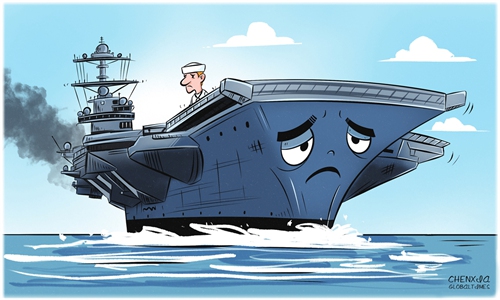
The Ford's laundry fire is more than an isolated mishap. Even on history's most costly warship, a laundry-room fire has laid bare a brutal truth – in a war of attrition, victory never hinges on the price tag of the weapons. It hinges on who can endure the longest grind.
As fighting continues in the Gulf region, a major upheaval is unfolding in global energy markets. Analysts note that American oil producers will be among the biggest beneficiaries if crude prices average $100 a barrel this year.
China has already charted its course, with its energy strategy providing a pragmatic paradigm for global energy security governance, which is being reevaluated by the world amid the evolving global landscapes.
For all countries with US military bases within their borders, the US-Israel-Iran conflict serves as a profound warning: A security model reliant on powerful nations will ultimately come at the heavy price of compromised sovereignty and increased risks.
Throughout history, there have been efforts in Japan to push for strategic autonomy. The harsh reality, however, is that Japan is so deeply dependent on the US across so many dimensions - one might even argue that a Japanese prime minister's political longevity is, to some extent, contingent on Washington's support.
Many issues in economic and social development carry an inherent “dilemma” nature. The key is to break free from the trap of binary thinking, broaden one's perspective, and elevate the way we think – only then can we turn “two difficult choices” into a “win-win” optimal solution.
It is foreseeable that a China that continually transforms its development blueprint into reality, converts its institutional advantages into governance effectiveness, and translates domestic stability into international certainty will undoubtedly win broader global trust.
Looking ahead to 2035, China will widely establish a green mode of production and lifestyle, with carbon emissions peaking and then steadily declining. The ecological environment will undergo fundamental improvement, not only painting a grand picture of a beautiful China but also contributing Chinese solutions and strength to global climate governance and sustainable development.
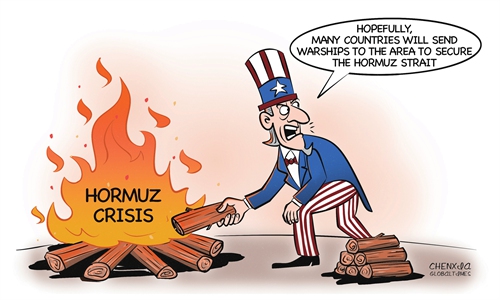
Tensions in the Strait of Hormuz continue to escalate, yet the US President, the very man who provoked the conflict, can no longer sit idly by. He fantasizes about rallying allies to join his escort mission, only to be met with a resounding rejection.
From the Middle East to Northeast Asia, the current situation serves as a stark reminder to the world that, against the backdrop of increasingly fierce strategic competition among major powers, blindly relying on powerful nations does not necessarily bring security.
The US overwhelming military advantage is proving difficult to translate into political victory; instead, it is dragging the country into a costly and protracted war of attrition.
Through the continued dedication of generation after generation of staff who come to Xizang with the support mission, Xizang is surely able to build a cleaner, safer, more efficient energy system, providing firm strategic support for the nation's energy security.
Today's world is marked by turbulence and uncertainty. In the face of conflicts, crises, and various smear campaigns, China will not hesitate or retreat. Instead, it will continue to inject lasting stability and certainty into a turbulent world through concrete actions, uphold fairness with the power of reason, and contribute to global well-being with the responsibility of a major country.
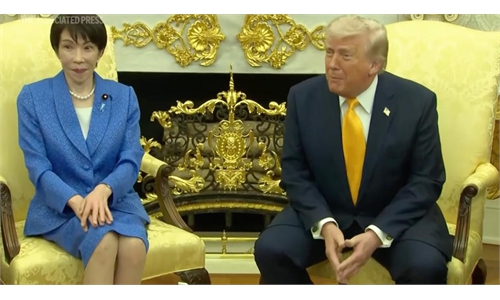
Takaichi's upcoming trip to Washington is a high-stakes diplomatic gamble for Japan. What Japan still hasn't fully grasped is that its long-term future isn't found in Washington's promises. It depends on confronting history honestly, respecting its neighbors and truly committing to the path of peaceful development.
It is believed that the “3+3” mechanism will further deepen and solidify the comprehensive strategic cooperation between China and Vietnam, setting a new example for building a community with a shared future with neighboring countries and injecting more stability and certainty into a world characterized by turmoil.
One thousand warships cannot achieve what one negotiating table can. The security of the Strait of Hormuz does not depend on how many navies patrol it. It depends on whether the guns fall silent.
On March 13th, Japan's Defense Minister confirmed the delivery of U.S.-made “Tomahawk” missiles and Norwegian Joint Strike Missiles to the Self-Defense Forces. This acquisition of advanced offensive weaponry clearly indicates that Japan is rapidly speeding down the dangerous path of remilitarization.
The international community, especially Asian nations, must remain especially vigilant against Japan once again becoming a source of regional conflict or even war.
In an increasingly uncertain international environment, the ability to plan for the long term while maintaining macroeconomic stability remains one of the key strengths of the Chinese economy.
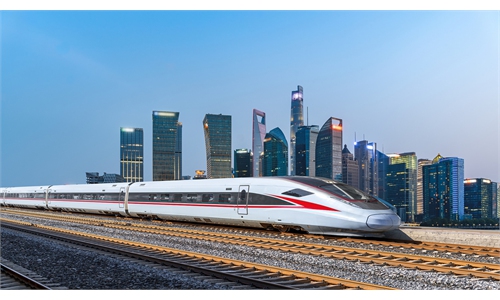
"China speed" means more than bullet trains racing across the landscape. It reflects a different way of working - more efficient, more daring and more focused. More than a measure of pace, it is proof of what a determined nation can achieve.
Against the backdrop of a fragile global recovery and increasing uncertainties, the upcoming China-US economic and trade talks in Paris carry added significance, with the world expecting the two sides to move toward each other and help bring greater stability to global trade and growth.
The recent simultaneous decline in both sales volumes and prices across the three traditional luxury automotive brands - Mercedes-Benz, BMW, and Audi (collectively known as BBA) - has become a hot topic of discussion. Why are these former benchmarks of luxury cars now showing signs of falling behind collectively in the era of electrification and smart technology?
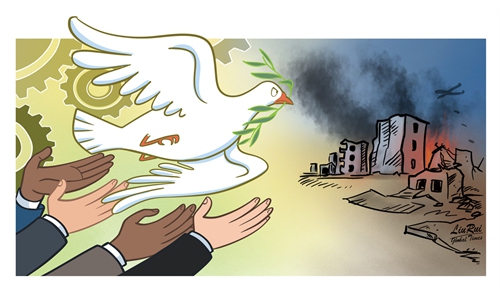
At this crossroads where the flames of conflict continue to spread, what the international community needs is a path that ends the current cycle of retaliation while addressing the legitimate security concerns of all parties.
In the 15th Five-Year Plan, China is pushing for the GBA to be a place where everyone is concentrated and working together to make it all happen.
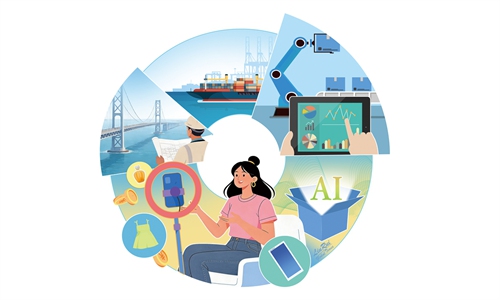
The facts prove that the leverage effect of AI can help pave an equitable and inclusive path for upward mobility.
Eighty years ago, the international community delivered a just verdict on the crimes of Japanese militarism. Eighty years later, if Japan dares to gamble again, the outcome can only be a quicker and more devastating defeat.
Looking back at the development trajectory of the green industry, China's strategic positioning came far earlier than the world imagined.
Some Western media, due to misunderstanding or bias, have repeatedly questioned or even distorted China's economic development.
The Global Times invited three young international observers, including students and journalists from different parts of the world, to share their observations on this year's meetings.
China is not seeking to lead in AI by replicating the Silicon Valley model. It is pursuing what I call technomeritism, a system in which technologies earn legitimacy through demonstrable contribution to public goals, institutional alignment and perceived social benefit.
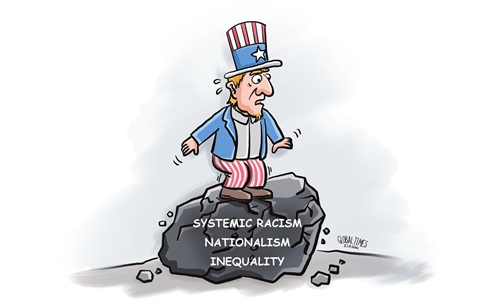
The most consistently intractable problems facing the US today are economic. The current policy of global tariff imposition yields troubling results.
As long as we maintain strategic resolve, remain confident, rise to challenges, pursue tangible results through hard work, and secure the future through effective implementation, we will transform this grand blueprint into reality, steering the ship of Chinese modernization forward through the waves toward an even broader horizon.
The Western media's claim that China's domestic demand is running out of steam is entirely unfounded.
How are consensuses achieved swiftly and on a broad scale? How do the down-to-earth style of CPPCC members and NPC deputies differ from Western lawmakers? And how do weighty national issues debated each year genuinely resonate with the daily lives of ordinary people?
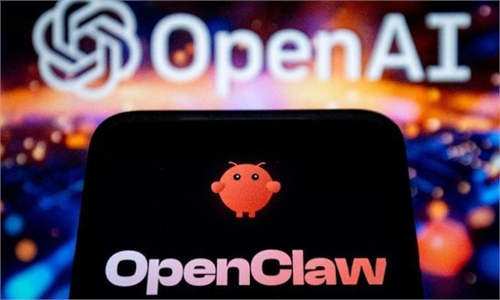
How did an open-source program, written by an Austrian developer during his weekends, morph from an obscure GitHub project into a national phenomenon in China in just a matter of weeks?
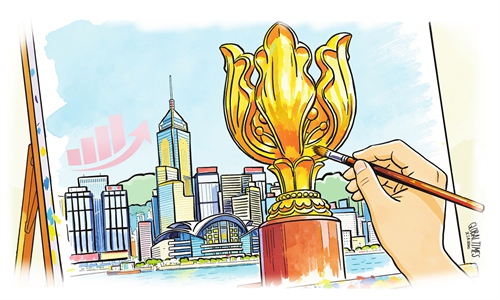
Leveraging its "one country, two systems" strengths enables Hong Kong to drive high-quality growth in the GBA.
The rapid adoption and commercialization of the overseas AI agent OpenClaw in China precisely demonstrate that China is the world's most dynamic "innovation testing ground."
Facing volatility, we should stay cool-headed and not be affected by any distractions. While the world seeks direction amid turbulence and change, China injects valuable certainty and confidence into global governance with its clear stance, pragmatic solutions, and stable predictability.
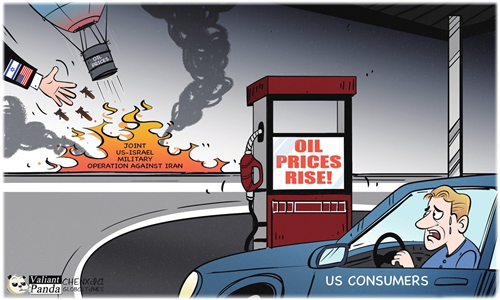
US consumers are footing the bill for soaring gas prices due to the joint US-Israel military operation against Iran.
"While the world burns, China defines the future." As China's two sessions convene, a foreign media outlet published an article under this headline, noting that everything that happens in China will have a ripple effect on the world.
China's emphasis on institutionalized planning creates stability that contrasts with the project-to-project volatility often associated with traditional development assistance.
By actively responding to population aging, unleashing the innovative vitality of talent, and cultivating new forms of demographic dividends, China is not only strengthening the foundation for its own modernization but also offering new ideas and directions for other countries facing demographic transitions.
Keeping a close watch on and proactively forestalling the resurgence of Japan's neo-militarism is a shared responsibility that all nations in the region must undertake before it is too late. Anything short of that will put Asia's peace and stability in peril.
Building a Healthy China is a systematic endeavor.
As the blueprint for the 15th Five-Year Plan gradually unfolds and the goals of high-quality development continue to be implemented, a stable and developing China, continuously advancing on the new journey of modernization, will undoubtedly contribute even more solid strength to promote the building of a community with a shared future for humanity and to write a new chapter in human peaceful development.
As new quality productive forces continue to accelerate their formation, the space for both China's own development and its international cooperation will expand further. Those global capitals that firmly embrace China's new economic landscape will inevitably share in the rich dividends of the times as China's economy undergoes its transformation and upgrading.
2025 was quite an active year for Chinese diplomacy. Rather than a single landmark achievement, it was characterized by a broad initiative across multiple fronts.
While affordability and quality are key factors in the popularity of Chinese products, their appeal extends far beyond mere cost-effectiveness.
At this new historical starting point, The Wealth of Nations reminds the world: As trade barriers rise again, protectionism ultimately undermines the prosperity of the very nations that embrace it.
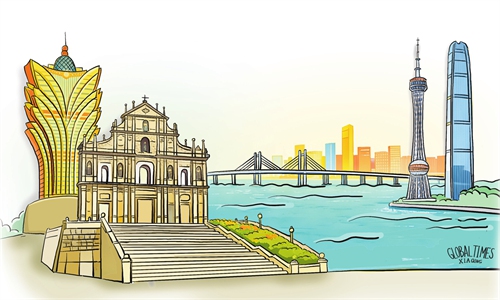
As we look toward 2030, the path for the GBA and Macao is clear. It is a path that moves beyond the simple exchange of goods toward the co-creation of value through shared rules and innovative services.
With a more responsible and proactive Chinese diplomacy, the country will undoubtedly inject more stable power and development momentum into the world in 2026.
When responding to questions about the situation in Iran, Chinese Foreign Minister Wang Yi quoted two ancient Chinese sayings, which were profound and enlightening. The two ancient sayings, carrying the wisdom accumulated over history, offer cognitive enlightenment for the world to jointly deal with changes, turmoil, wars and conflicts.
What makes the Healthy China Initiative appealing, and how will it benefit people's everyday lives? The Global Times has invited four foreign nationals - currently residing in China - to share their personal experiences and observations.
As long as we do our own work well, consolidate the foundations of development, and keep the engine of innovation running strong, the Chinese economy will always remain a vast ocean.
Building a Healthy China is a commitment to the people, and strengthening ecological construction is aimed at safeguarding their health.
These firsthand encounters reveal the human impact of the Healthy China Initiative, demonstrating how its goals are translated into everyday realities that build trust and improve quality of life.
Overall, China is uniquely suited to rapid and large-scale social change through proactive health-related measures.
China is well aware that a healthy society is a happy society and instead of just talking the talk, China encourages its citizens to actually get out and walk the walk, or dance, run, swim, skate or cycle.
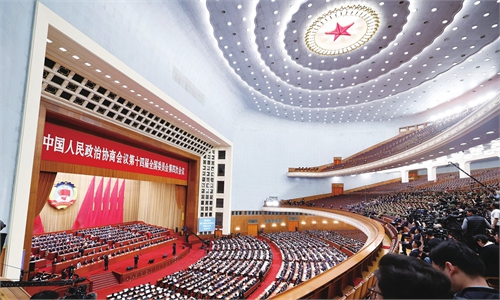
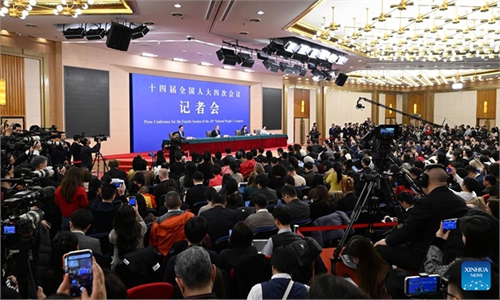
At the press conference for the fourth session of the 14th National People's Congress (NPC) on people's livelihood, the performance sheets from multiple departments were filled with meticulous care for "the elderly and children."
Step by step, with unwavering determination and years of solid effort, a robust foundation has been laid for the people's happiness and well-being. From these achievements, we can gain a deeper understanding of General Secretary Xi's people-centered sentiment, and more fully grasp the true meaning of the word "people" embedded in Healthy China.
People believe that this force toward the "new" will propel Chinese modernization to new and solid steps. A China with stronger innovation capabilities, deeper reforms, and a broader industrial structure will surely provide the most solid material support for building a community with a shared future for mankind.
From my extensive travels across many Chinese cities, I can say with confidence that China today stands as one of the most open and secure countries in the world. And thanks to China's visa-free entry policy for Russian citizens, Many Russians have already seized the opportunity to experience firsthand its splendid culture, profound traditions and exquisite cuisine.
The so-called "policy passivity" claim either fails to grasp the deeper logic of China's model of "winning through quality" or deliberately distorts reality to profit from pessimistic narratives. According to Société Générale, macroeconomic policies and structural reforms will remain key drivers of China's economic growth in 2026. China's economy is a giant ship with its own speed and course.
At a time when global trade depends on stable and open logistics networks, attempts to obstruct cooperation through ideological confrontation and strategic rivalry not only undermine the development autonomy of regional countries but also run counter to the broader trend of open cooperation in globalization.
Antonio Gramsci famously wrote that “the old world is dying and the new world struggles to be born, and that this is the time of monsters.” If the Global South fails to confront the monsters of hegemony effectively, the new world may never emerge.
2026 marks the first year of the 15th Five-Year Plan period. The construction of Macao and Hengqin is advancing in depth, entering a critical window period for further transformation and high-quality leapfrog development: NPC deputy from Macao
“I think what China has achieved is remarkable. Once again, it showed the world that the doomsayers were wrong”: South African economist on China's economic growth in recent years
The newly announced GDP growth target for the new year has once again become a "super bellwether" in the global public opinion arena for interpreting the trajectory of the world economy.
The essence of a growth target lies not in prediction, but in guidance and shaping, where the primary consideration is needs and possibilities.
The system of the CPPCC serves as a key institutional form of socialist consultative democracy with Chinese characteristics.
Divisions on the Iran issue continue to fracture the transatlantic relationship.
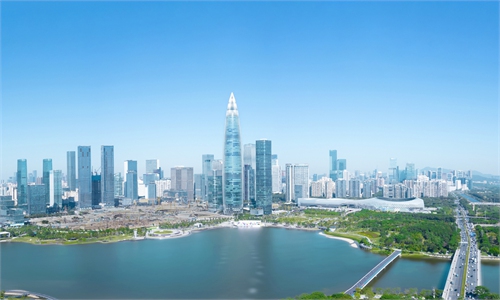
My travels between Shenzhen and Hong Kong have convinced me that beneath the shifting skylines lies a divergence in governance. The accumulation of wealth is merely an outcome. The true invisible hand dictating this trajectory is the evolution of government capability.
With the situation in the Middle East at risk of being pushed into the abyss, military actions must stop immediately. The international community must consolidate peace-promoting efforts, steer the situation toward de-escalation, and collectively uphold international law and the fundamental norms governing international relations.
The true sense of security only comes from the peaceful development of cross-Straits ties.
Through the governance model of whole-process people's democracy, the Chinese government has demonstrated that it can effectively align long-term development objectives with the immediate needs of the population by adopting an integrated and participatory approach: French experts
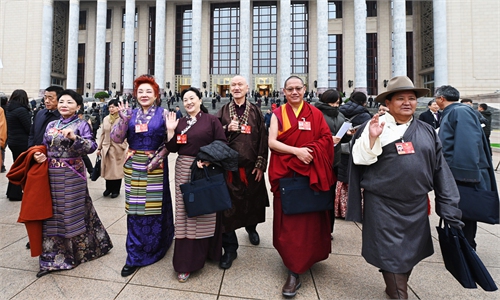
China has officially entered the two sessions season. As China's political weather vane and economic barometer, the two sessions - China's annual sessions of its top legislature and political advisory body - serve not only as a major domestic political agenda but have also long been a significant global political event with worldwide impact.
AI must not become a tool of fear and destabilization on a global scale.
“I don't think that the US has the means to defeat Iran. I would expect that Iran will be backed by countries in different parts of the world as it fights this war”
Against the backdrop of a new technological revolution, what South Korea truly needs is a contemporary "Northern learning" school of thought. This is both a candid acknowledgment of reality and a strategic choice for the future.
The implementation of the 15th Five-Year Plan presents unprecedented opportunities for Hong Kong. Under the strong safeguard of One Country, Two Systems, Hong Kong will undoubtedly achieve higher-quality development by aligning with national strategies, powered by the dual engines of finance and technological innovation.
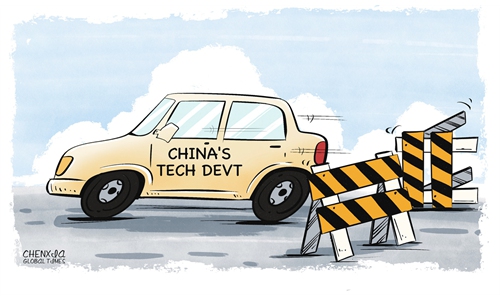
China's technological innovations not only benefit its own people but will increasingly serve the world, contributing Chinese strength to global technological progress and industrial upgrading.
With a more institutionalized and systematic framework, China's green transition is set to become more stable, clear, and sustainably driven.
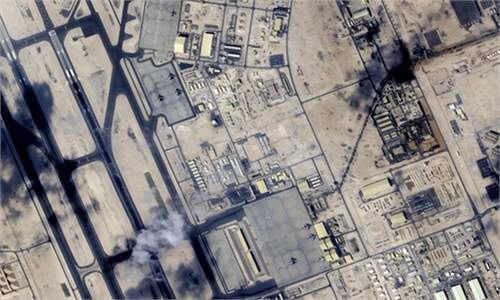
The US and Israel launched coordinated airstrikes against Iran.
US-Israel military operations against Iran set a dangerous precedent. In the minds of US and Israeli politicians, disliking a regime appears to have become sufficient justification for launching an illegal war against it – a profound and worrying shift in the paradigm of modern warfare: former UN independent expert
The Global South consensus does not seek to destroy what works, but to transform what failed. In this rebalancing, the world's emerging majority moves from object to subject of international history – finally claiming the agency that decolonization promised but neoliberalism denied.
If Germany were to regain its old economic strength and get on a level playing field, it might open up toward the larger “gym” of the world and strive to take part in the China-proposed BRI. We may be some years away from that, but it could be a prime template for future win-win cooperation between Germany/EU and China: German scholar
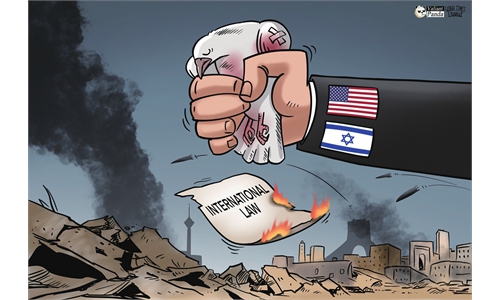
Even more unacceptable is that the US and Israel openly killed the leader of a sovereign nation, incited regime change, and then gloated over it as some kind of "achievement." These actions represent a brazen contempt for and trampling of the fundamental norms of international relations.
The certainty of policy, which we used to expect from the US, is no longer there. Meanwhile, what China is trying to achieve is becoming more visible. In terms of certainty, this is where the 15th Five-Year Plan will be instrumental: French investor
The American fabric, once believed to be resilient enough to mend itself, now hangs in tatters, its threads so frayed and entangled that the pattern itself has become unrecognizable.
There was a time when some Chinese people believed that “the moon is rounder abroad.” Now, the tables have turned, and it is foreigners who envy the leisurely comfort and the profound sense of security in China.
History's irony: Suppression fueled resilience. The Huawei blockade failed to maintain Western dominance. Instead, it accelerated global tech multipolarity, a pivotal 21st-century shift with profound political, economic and security implications.
Currently, the world is closely watching how US-Israel attacks on Iran and the latter's retaliatory strikes will develop and their impacts on the regional situation in the Middle East. Where will the conflict head? How should we understand Beijing's concern over the US-Israel military strikes and calls for an immediate stop of the military actions? The Global Times invited three Chinese international relations experts to comment on these issues.
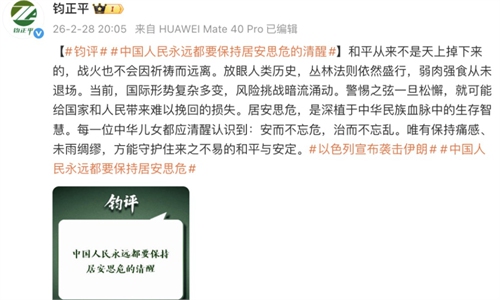
On February 28, after the US and Israel launched massive attacks on Iran, the official Weibo account of Jun Zhengping Studio run by the People's Liberation Army Daily released the following commentary: Peace has never appeared out of thin air, nor will the flames of war recede through prayer alone. Throughout human history, the law of the jungle has always held sway; the strong preying on the weak has never truly vanished. The international landscape today is complex and volatile, with risks and challenges lurking beneath the surface. Once the string of vigilance is loosened, the consequences for a nation and its people could be irreparable.
Recent attempts by right-wing forces in Japan to revise the Japanese government's long-standing Three Non-Nuclear Principles have triggered alarm and warrant close scrutiny. A joint report by China Arms Control and Disarmament Association and China Institute of Nuclear Industry Strategy, titled "Nuclear Ambitions of Japan's Right-Wing Forces: A Serious Threat to World Peace," argues that Japan's nuclear capability is already well beyond the starting line. The country has already sat atop substantial stocks of sensitive nuclear materials and a relatively complete technological system. This raises a sobering question: How close is Japan to reaching a nuclear breakout capacity?
It is hoped that Chancellor Merz's pragmatic approach will help foster a more balanced EU consensus on China, bring greater benefits to the peoples of China, Germany, and Europe, and contribute to global peace and prosperity.
The stormier the times, the more China and Europe should uphold the banner of multilateralism, maintain their strategic partnership, adhere to openness, inclusiveness and win-win cooperation, advance China-EU relations to greater heights, and make greater contributions to world peace and development.
The coordinated efforts of US officials and the media to hype up the "China nuclear threat" are just a carefully orchestrated show by Washington.
714.88 million tons is more than a statistic – it is a statement of confidence. 500 kilograms of grain per capita is more than a milestone – it is a measure of responsibility.
The visit holds considerable significance in light of the global challenges.
China's measures directly target the Achilles' heel of Japan's “remilitarization” ambitions.
The concocted term “post-Dalai era” is neither a mathematical demarcation of a person's lifespan or influence, nor a simple judgment regarding religious succession. Rather, it is an attempt by certain forces to exploit semantic divisions and conceptual ambiguities in China's Xizang-related legal terminology for political maneuvers.
As a photographer, I aim to connect people. I like to think of myself as a bridge, bringing photographers to China and sharing my work with the world.
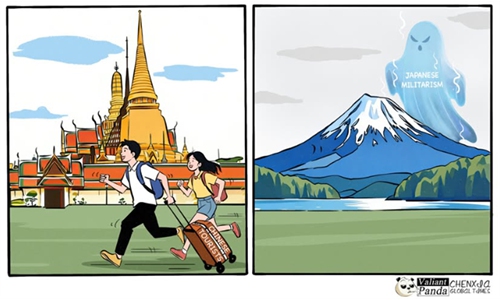
During the 2026 Spring Festival, Japan saw its popularity cut in half, while Thailand emerged as one of the most sought-after choices.
True culture needs no grand preaching – it reshapes the world quietly, one sip at a time.
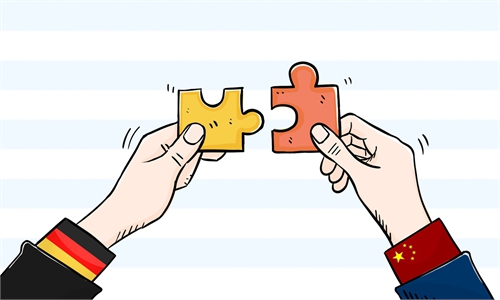
At a time when both China and Germany face the challenges, how to work together – seeking common ground while respecting differences – to keep the course of history on the right track has become a fundamental question that the two countries, as well as China and Europe, must answer.
As part of the “group-style” medical aid effort, we have always reflected on three questions: Why we aid Xizang, what we do while in Xizang and what we leave behind when we depart – devoting ourselves wholeheartedly to advancing the development of Xizang's healthcare system, writes a medical aid doctor in Xizang.
Nuclear risk reduction must begin with the two largest nuclear powers — not with political theater that ignores strategic reality.
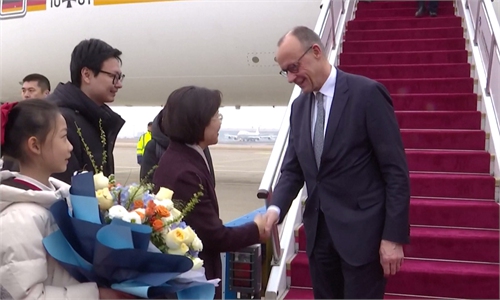
Chancellor Merz's visit to China is not only an important sign of the resetting of China-Germany relationship but also a key step in recalibrating China-Europe relations amid changing circumstances.
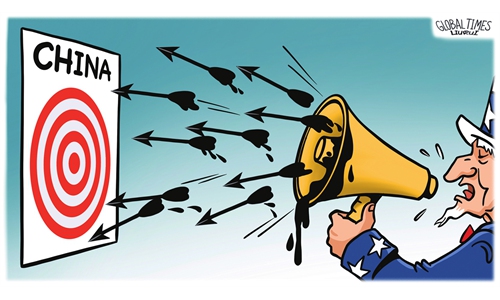
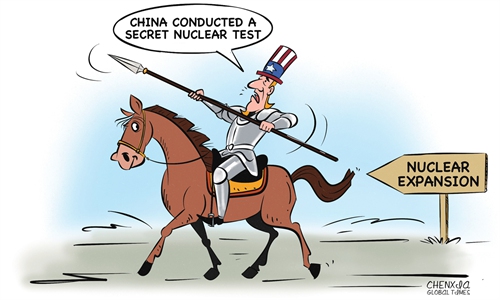
Ultimately, the malicious smears against China's nuclear policy from Uncle Sam, the “Don Qui-nuke,” attempt to seek legitimacy for its own nuclear ambitions.
The Global Times invites three foreign scholars to share their perspectives on understanding and interpreting the view on political achievements of the CPC.
China's ice and snow tourism is no longer a hidden story. It is developing quickly.
In today's world, uncertainty still looms, and the shadows of conflict have not yet dissipated. This makes the peace and liveliness of the Chinese New Year especially precious.
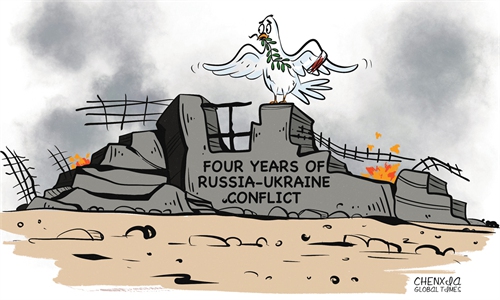
Four years into the Ukraine crisis serve as a stark reminder for the world: hegemonism, bloc politics, and confrontational alliances only lead to war, and conflicts produce no winners.
The Spring Festival reflects the deep connection between faith, culture and mobility.
NATO is not an association of equal partners for collective defense, but an instrument for enforcing US interests. From this perspective, the only consistent and rational conclusion for Germany and the other European NATO members must be: withdrawal from NATO.
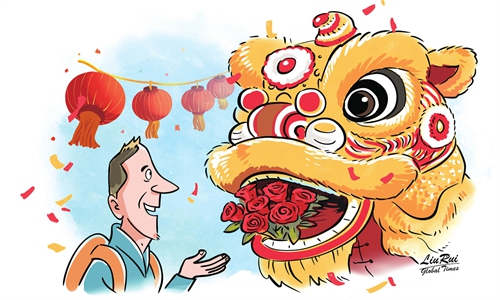
The year 2026 was my first Spring Festival in China. I knew, more or less, what to expect. Across most parts of China, fireworks and firecrackers, red lanterns and fortune characters on every door and window in sight, red envelopes and well-wishes of good fortune from family and friends alike.
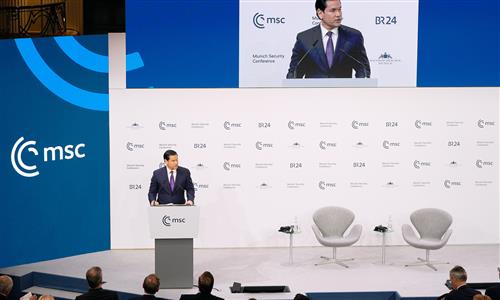
One year ago, US Vice President JD Vance delivered a speech of unprecedented hostility toward Europe at the Munich Security Conference, marking a decisive moment in the rift between the US and Europe. Exactly a year after, when US Secretary of State Marco Rubio addressed the same conference to the same audience, the question -- where the transatlantic relationship will head -- still lingers.
The reason the Spring Festival can open doors across different cultures is that it touches the softest, most universal human longing for a better life deep in our hearts.
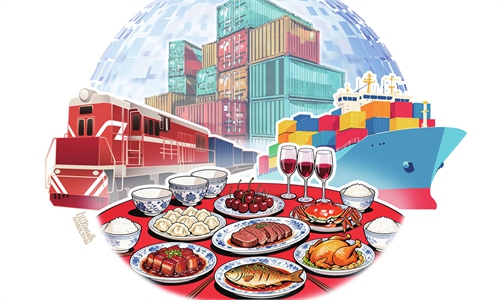
From homegrown flavors to a cosmopolitan spread, this 20-year transformation in the Chinese festival dinner table bears witness to China's embrace of the world.
For the US, the path forward is adaptation and humility. The sooner it accepts its place as one great power among several, the sooner it can play that role effectively - and sustainably - in the multipolar or multi-nodal world that is already underway.
One of America's founders, John Adams, famously said he wanted a nation "ruled by laws, not men."
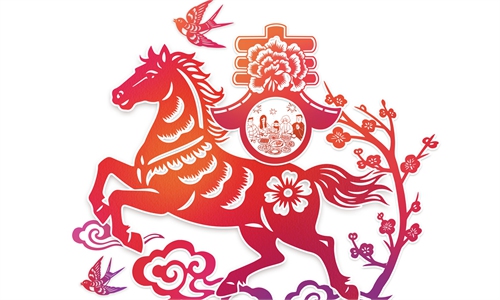
The Spring Festival stands as a profound manifestation of the intrinsic cohesion and enduring vitality of Chinese civilization, offering the world a deep cultural code to understand Chinese society.
The reflections on order, governance, and people's well-being in Swords into Plowshares transcend the scope of a historical drama and illuminate contemporary questions about the international order.
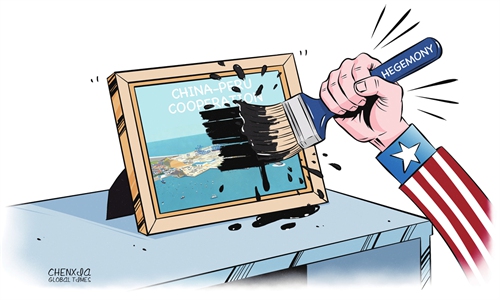
Certain forces in the US have made no secret of its desire in Latin America. Besides Panama Canal and Venezuela's oil, they also openly smeared Peru's Chancay Port.
China and France should uphold the original aspirations that guided them when establishing diplomatic relations, create a new wave of China-France people-to-people exchanges, and set an example for civilizational exchanges between China, Europe, and the world at large.
The nations of Asia have never forgotten history and remain ever vigilant, determined to draw lessons from the past and prevent a repetition of history.
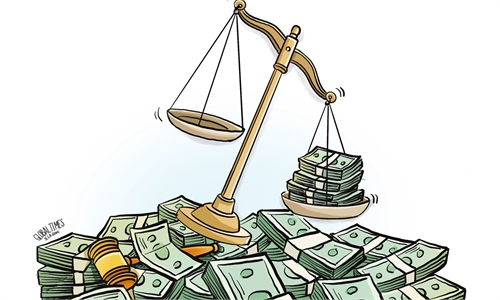
Put it all together and one conclusion becomes obvious: It is easy for the exorbitantly rich and powerful to be accountable to no one. And they want it that way.
Only when struck by Washington's “wrecking ball” has Europe realized that it lacks both an independent security pillar and a unified, decisive diplomatic posture.
Only when Western commentators break free from the confines of established theory and fixated ideological prejudices, can they approach China as a civilization with its own distinctive logic of governance, begin to truly understand China's development, and confront their own problems.
What the Western narrative got wrong about Jimmy Lai's verdict
Japan must take the feelings and concerns of other countries into account.
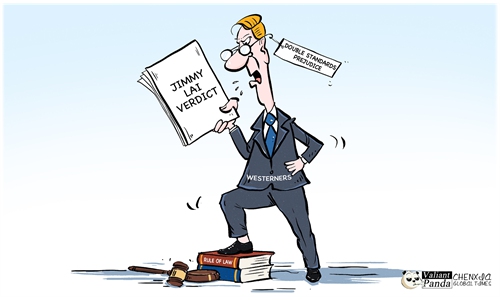
The Western narrative surrounding the arrest, trial and sentencing of Jimmy Lai is totally at odds with the facts.
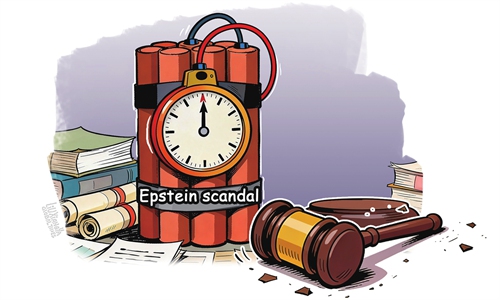
Documents are unsealed, hearings are held, and the public is outraged. But then what?
China stands ready to work with all parties to continuously deepen and solidify APEC cooperation, injecting greater stability and positive expectations into the development of Asia and the world.
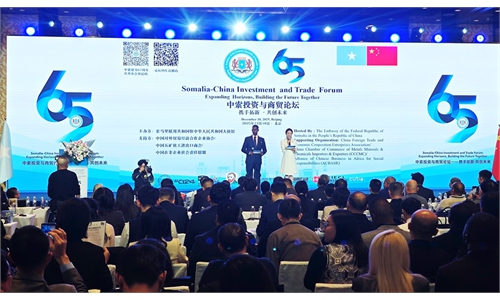
The partnership between Somalia and China stands as an inspiring example of how international friendship, built on respect and common interests, can foster a brighter, more cooperative future for all.
For too long, Western politicians have stood on the moral high ground. Now, their moral high ground is crumbling and falling into the abyss. Any Western attack on Jimmy Lai's trial in Hong Kong is utterly ridiculous and pathetic.
In this context of increasing US pressure, Canada's efforts to strengthen engagement with China, diversify its economic and trade relationships, and secure greater autonomy in a multipolar world represent a rational strategy to protect its long-term interests and reduce dependence on a single ally.